Cabbage for Weeknight Cooking: Three Reliable Ways to Turn One Head into Dinner
Cabbage is appearing in 2026 trend forecasts, but its real advantage is practical: one inexpensive head can become a crisp slaw, a browned skillet dinner or a tray of roasted wedges. Here is how to choose, prep, store and cook it without boiling away the flavor.

Cabbage has been promoted as one of 2026’s emerging food trends, with Pinterest reporting higher searches for cabbage dumplings, golumpki soup, fermented cabbage and sautéed bok choy. That forecast is less interesting than the reason cabbage works so well in an ordinary kitchen: it is sturdy, relatively inexpensive, adaptable to several cooking methods and useful in more than one meal.
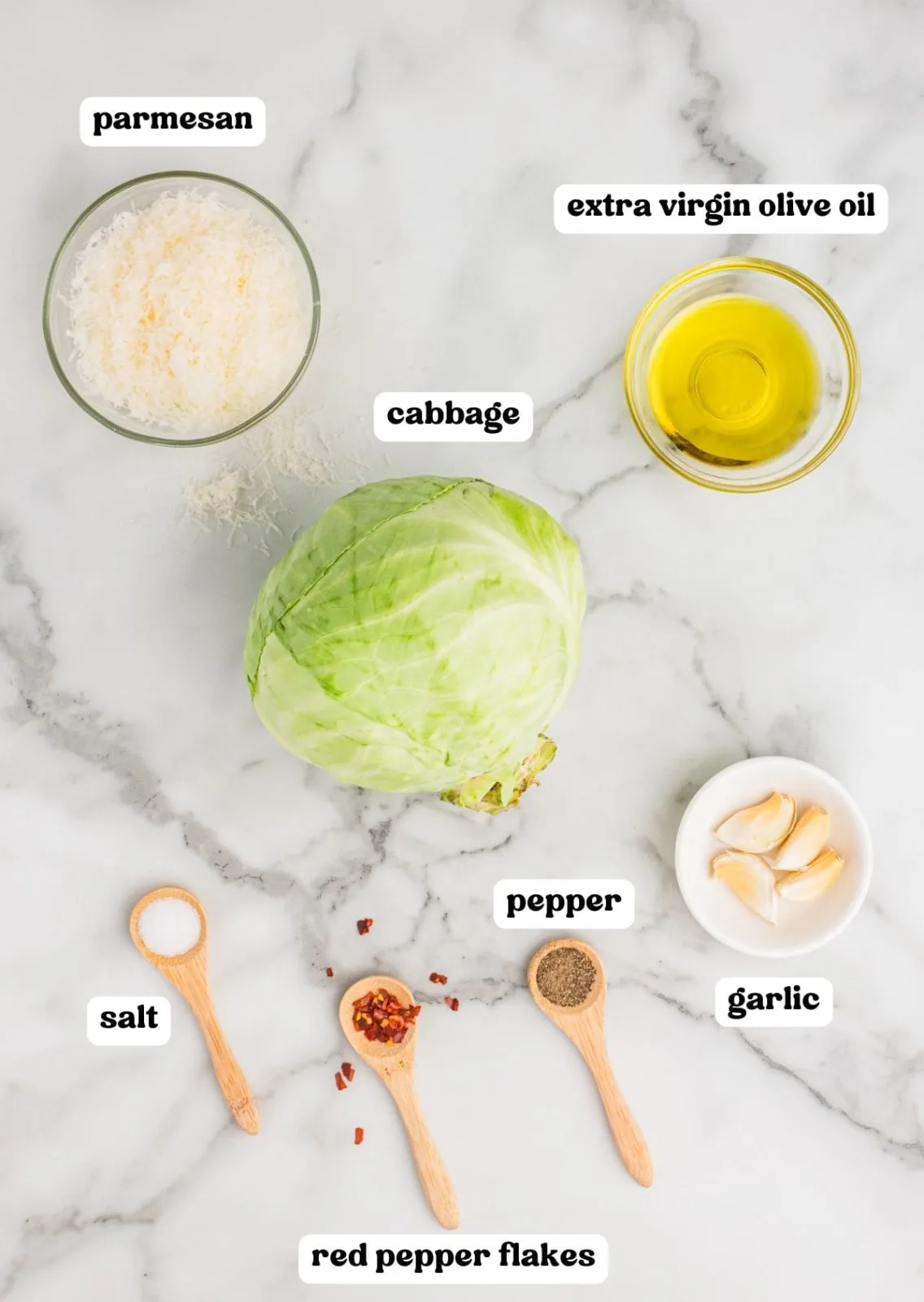
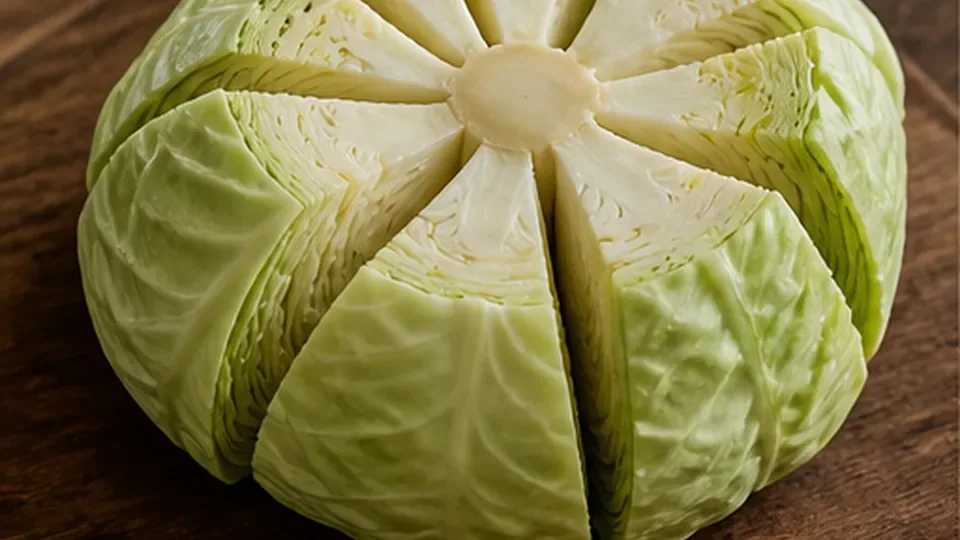
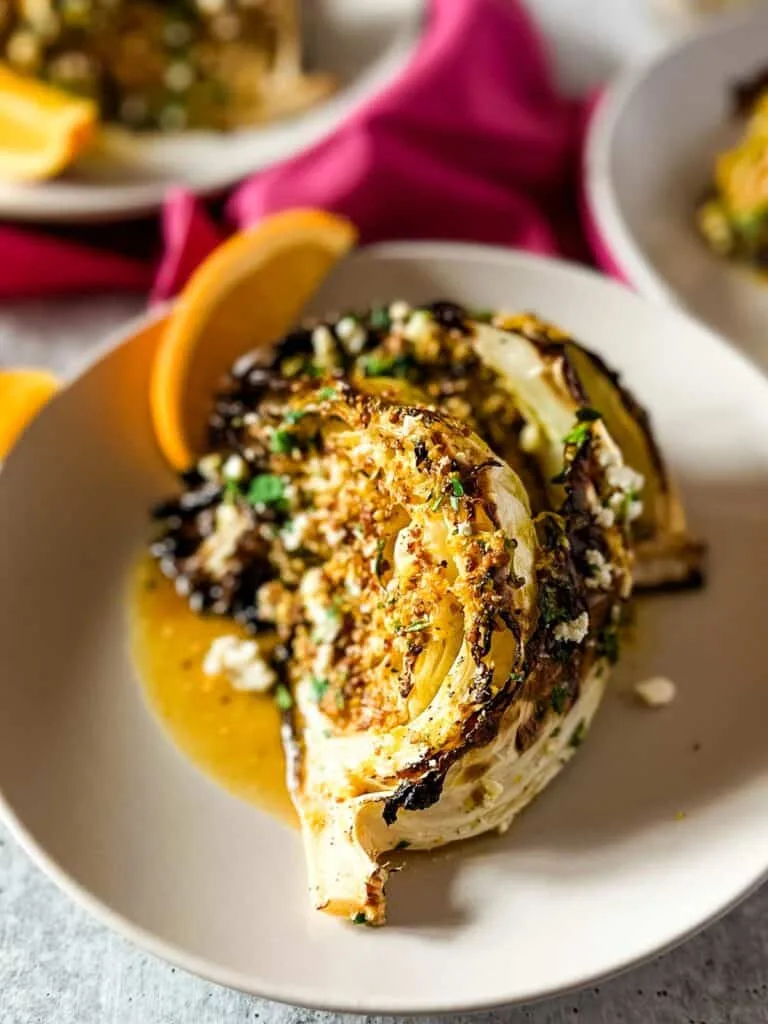
A whole head can sit in the refrigerator while you decide what dinner is. The outer leaves can be removed, the core can be used to flavor a broth or stir-fry, and the remaining leaves can be sliced according to the job. Thin shreds stay crisp. Thick wedges become sweet and browned at the edges. A quick sauté turns a large pile into a soft, savory side without demanding a long recipe.
This guide uses one medium green or white cabbage as a starting point. The amounts are flexible, and the methods work with Savoy cabbage, napa cabbage or a mixture of sturdy brassicas, although the cooking time will change. The aim is not to make cabbage look like a restaurant dish. It is to make the vegetable useful on a Tuesday when the pantry is doing most of the work.
Why cabbage is having a moment
Pinterest’s 2026 food forecast called its cabbage trend “Cabbage Crush.” The company reported increases in searches for cabbage dumplings, golumpki soup, cabbage Alfredo, fermented cabbage and sautéed bok choy. Those figures describe search behavior, not sales or proof that every home cook has changed what they eat. Still, they point toward a practical shift: people are looking at cabbage as a main ingredient rather than something added to a pot and cooked until soft.
The vegetable is also unusually forgiving. Green cabbage can be shredded for a raw salad, browned in a skillet, roasted in thick slices or simmered with beans. Napa cabbage cooks faster and has more delicate leaves. Savoy cabbage has crinkled leaves that hold sauces well. Red cabbage can be used in the same broad ways, though its color and slightly firmer texture make it especially good raw, braised or pickled.
That range matters when groceries are expensive or plans change. A cabbage does not force you to cook the same meal twice. You can use half for dinner, keep the other half cold and crisp, then change the seasoning completely the next day.
How to choose a head
Look for a cabbage that feels heavy for its size, with firm leaves and no large wet patches. A few loose outer leaves are normal. Avoid heads with extensive browning, soft areas, a sour smell or deep cracks that expose a large amount of inner leaf.
The choice of variety should follow the meal rather than a rule about which cabbage is “best.”
- Green or white cabbage is the all-purpose option for roasting, frying, slaw and soups.
- Savoy cabbage is tender and ruffled, making it useful for quick sautés, wraps and dishes with a creamy or brothy sauce.
- Napa cabbage is lighter and faster-cooking. It suits stir-fries, dumpling fillings and fresh salads.
- Red cabbage brings color and a firmer bite. Use it raw, roast it, or cook it with an acidic ingredient such as vinegar, lemon or a tart apple.
If the recipe calls for one medium head, it usually means a cabbage of roughly 2 to 3 pounds. Exact size is not critical. Use the pan as your guide and cook in batches if the raw shreds are crowded.
Prep once, then decide how far to go
Remove any damaged outer leaves. Rinse the head under cool running water, then dry it before cutting. The FDA advises washing produce under running water rather than using soap, detergent or commercial produce washes. Washing does not eliminate every microorganism, but it removes surface dirt and reduces the chance that debris will be carried through the cut surfaces.
Cut the cabbage through the stem into halves or quarters. The core is edible but tougher than the leaves. Trim it out for a slaw or quick sauté; leave some of it attached when cutting wedges so the layers stay together while roasting.
For thin shreds, place a cabbage quarter cut-side down and slice across it with a sharp knife. For roasting, cut wedges about 1 to 1½ inches thick at the widest point. For a skillet, aim for ribbons about ½ inch wide so they soften at the same pace.
Do not feel obliged to wash and cut the entire head at once. A whole head generally keeps better than a heap of prepared shreds. If you do cut it in advance, refrigerate it promptly in a covered container or bag, and keep it dry enough that the leaves are not sitting in pooled water.
Method one: browned cabbage skillet with beans
This is the most useful weeknight version when you want a complete meal without turning on the oven. The cabbage supplies bulk and sweetness; beans add substance; a sharp finish keeps the pan from tasting flat. Use canned white beans, chickpeas or lentils. Leftover cooked grains can be folded in at the end.
Time: about 30 minutes
Portions: 4 as a main dish, or 6 as a side
Ingredients
- 1 medium green, white or Savoy cabbage, cored and sliced into ribbons
- 2 tablespoons olive oil or another neutral cooking oil
- 1 onion, thinly sliced, or 1 teaspoon onion powder when the pantry is bare
- 2 garlic cloves, sliced or minced
- 1 can beans, about 15 ounces, drained and rinsed
- ½ teaspoon smoked paprika, ground cumin or chili flakes
- ½ cup water or broth, plus more if needed
- 1 tablespoon lemon juice or cider vinegar
- Salt and black pepper
- Optional: grated cheese, toasted breadcrumbs, yogurt, chopped herbs or a spoonful of mustard
Method
Heat a wide skillet over medium-high heat. Add the oil and onion, if using, with a pinch of salt. Cook for 3 to 5 minutes until the onion begins to soften. Add the cabbage in handfuls. It may look like too much at first, but it will collapse quickly. Keep the pan uncovered and turn the cabbage every minute or so.
After about 7 minutes, look for browned edges and a mixture of textures. If the cabbage is coloring too fast while remaining tough, reduce the heat and add a splash of water. Add the garlic and spice during the last minute of browning so they do not burn.
Stir in the beans and ½ cup water or broth. Cover for 3 to 5 minutes, just until the cabbage is tender enough to eat but not completely limp. Remove the lid and let excess liquid evaporate. Finish with lemon juice or vinegar, then taste for salt and pepper.
A spoonful of mustard stirred into the pan makes the dish more assertive. Yogurt adds coolness, while breadcrumbs give a crisp contrast. Serve it over rice, toast or a baked potato if you need a larger meal. For a meat-based variation, add cooked sausage or shredded chicken at the same time as the beans; reheat meat until steaming hot throughout.
The important texture decision
Do not cook every shred until it is equally soft unless that is what you prefer. Cabbage is better when the pan contains both tender pieces and lightly browned strands. If you are feeding someone who dislikes cabbage because of its boiled texture, this contrast is often more persuasive than adding stronger seasoning.
Method two: roasted cabbage wedges with a sharp dressing
Roasting is the simplest route to concentrated flavor. The flat cut sides touch the hot pan, the edges brown, and the thick interior steams in its own moisture. This method is particularly good for a half-used cabbage that needs a clear destination.
Time: about 35 to 40 minutes
Portions: 4 as a side, or 2 to 3 with beans, eggs or bread
Ingredients
- 1 medium cabbage, cut into 6 to 8 wedges
- 2 to 3 tablespoons oil
- Salt and black pepper
- 1 teaspoon caraway seeds, fennel seeds, smoked paprika or dried thyme, optional
- 1 tablespoon vinegar or lemon juice
- 1 teaspoon honey, maple syrup or sugar, optional
- 1 small garlic clove, finely grated, optional
Method
Heat the oven to 425°F (220°C). Line a sheet pan if you want easier cleanup. Arrange the wedges with space between them, brush both sides with oil and season with salt, pepper and any dry spice you are using. Keep a portion of the core attached so each wedge holds together.
Roast for 20 minutes, then turn the wedges carefully. Continue for 10 to 15 minutes, until the cut surfaces are deeply browned and the thickest part can be pierced with a knife. Very large wedges may need a few extra minutes.
While the cabbage roasts, combine the vinegar or lemon juice with honey, garlic and a pinch of salt. Drizzle the dressing over the hot wedges just before serving. The acid is not there to make the dish sour; it balances the vegetable’s sweetness and the oil used for browning.
Serve the wedges with fried or poached eggs, white beans, sausages, roast chicken or a spoonful of hummus. They can also become the filling for a warm sandwich with cheese and mustard. If you have leftover roasted cabbage, chop it and mix it with cooked potatoes or grains for a skillet hash.
What not to do
Do not crowd the pan with a mountain of loose shreds if you want roasted edges. They will steam. Use wedges, or spread shredded cabbage in a thin layer and accept that it will cook more quickly. Also, do not judge doneness by color alone: a dark edge can appear before the center is tender, so check the thickest point with a knife.
Method three: a crisp cabbage bowl for the next day
Raw cabbage is the best way to use a portion of the head without cooking another full dinner. This is not a fixed salad formula. It is a base that can absorb leftovers, canned fish, roasted vegetables, eggs, nuts or noodles.
Time: 15 minutes
Portions: 4 as a side, or 2 as a lunch bowl with a protein and grain
Base
- 4 cups finely sliced cabbage
- 1 carrot, grated or cut into thin matchsticks, optional
- 1 apple, cucumber or bell pepper, thinly sliced, optional
- 2 tablespoons pumpkin seeds, peanuts or sunflower seeds
- Fresh herbs, scallions or leftover cooked vegetables, if available
Dressing
- 2 tablespoons oil
- 1½ tablespoons lemon juice, lime juice or vinegar
- 1 teaspoon mustard, tahini, soy sauce or mayonnaise
- A small pinch of sugar or honey, optional
- Salt and pepper
Whisk the dressing in a large bowl. Add the cabbage and massage it with clean hands for about 30 seconds. This softens the outer texture while leaving enough crunch. Add the other ingredients and toss. Let the bowl stand for 5 to 10 minutes, then taste again. Cabbage continues to absorb salt and acid, so a salad that seems sharply dressed at first may taste balanced a few minutes later.
For a more filling meal, add chickpeas, leftover chicken, hard-boiled eggs, tofu, canned tuna or cooked noodles. If using canned fish or eggs, keep the finished bowl refrigerated until serving. A handful of cooked rice turns the salad into a cold grain bowl; toasted bread or pita makes it feel more like dinner.
Easy flavor directions
- Mustard and apple: cabbage, apple, mustard, cider vinegar and toasted seeds.
- Sesame and soy: cabbage, carrot, scallion, sesame oil, soy sauce and lime.
- Creamy lemon: cabbage, yogurt or mayonnaise, lemon, black pepper and herbs.
- Spicy peanut: cabbage, peanut butter, lime, soy sauce and chili flakes loosened with warm water.
These are flavor combinations rather than strict recipes. Start with less salt when soy sauce, cheese or a salty protein is joining the bowl.
How to make one head last several meals
A medium head does not have to be assigned to one recipe. On the day you buy it, remove only the loose outer leaves and store the cabbage whole in the refrigerator. When you are ready to cook, cut off a quarter for a skillet and keep the rest intact. The following day, slice another portion for slaw. If the remaining quarter is beginning to dry at the cut edge, trim a thin slice before using it.
The most efficient sequence is to cook the methods in an order that protects texture. Use the crisp raw portion first, roast a wedge meal next, and save the skillet method for leaves that are beginning to wilt. Slightly wilted cabbage is not automatically spoiled; quality and safety are different questions. Discard cabbage with an unpleasant odor, slimy surfaces, extensive mold or decay that has spread beyond a small, removable area.
Cabbage can also be frozen, but freezing changes its texture. Blanch chopped cabbage briefly, cool it quickly, drain it well and freeze it for cooked dishes such as soup or stir-fry. Do not expect thawed cabbage to behave like fresh cabbage in a crunchy salad.
Substitutions that actually work
A recipe that calls for cabbage is usually more flexible than it looks.
- Replace green cabbage with Savoy cabbage, but begin checking earlier because the leaves may soften faster.
- Replace part of the cabbage with kale, collards or shredded Brussels sprouts. Tougher greens may need an extra splash of liquid.
- Replace beans with cooked lentils, chickpeas, diced tofu or leftover meat.
- Replace lemon with cider vinegar, rice vinegar or pickle brine. Add strong acidic liquids gradually.
- Replace fresh garlic with garlic powder. Add it with the other dry spices rather than frying it at the start.
- Replace olive oil with butter, neutral oil, sesame oil or rendered fat, depending on the dish.
- Replace breadcrumbs with crushed crackers, toasted seeds or chopped nuts.
If using napa cabbage, avoid long high-heat cooking unless you want it very soft. Separate the thick white ribs from the leafy green parts when stir-frying, and add the ribs first.
Storage and food-safety notes
The USDA FoodKeeper guidance lists cabbage at roughly 1 to 2 weeks in the refrigerator from the date of purchase, with quality depending on the variety, temperature and condition at purchase. A whole head usually keeps better than pre-cut cabbage. Keep the refrigerator at 40°F (4°C) or below, and protect cut surfaces in a clean container or bag.
Wash the cabbage under cool running water before cutting. Do not use soap, bleach or household disinfectant. The FDA recommends removing the outermost leaves of leafy produce such as cabbage, cutting away damaged areas and washing before preparation. Use a clean knife and cutting board, especially if the same kitchen is handling raw meat, poultry or seafood.
Refrigerate prepared slaw, cooked cabbage and dishes containing beans, eggs, meat or dairy within two hours, or within one hour if the room is very hot. Store leftovers in shallow containers so they cool more quickly. Reheat cooked leftovers until steaming hot throughout, and only reheat the portion you plan to eat. A cabbage dish can be kept for several days when handled properly, but discard it if its smell, texture or appearance has clearly deteriorated.
Be aware of allergens in the additions rather than the cabbage itself. Soy sauce, sesame, dairy, mustard, nuts and wheat-based breadcrumbs can all change the safety profile of a dish. For young children, cut raw cabbage, nuts and firm vegetables into age-appropriate pieces; whole nuts and hard, large chunks can be choking hazards.
The useful conclusion
The point of the cabbage trend is not to chase a prediction or force every variety into a novelty recipe. Cabbage earns a place in a practical kitchen because it offers several useful textures from one inexpensive head. Slice it thin when you need speed, roast it when you want browned sweetness, or cook it gently with beans when dinner has to come from the pantry.
Start with one method and one seasoning direction. Keep the rest of the head cold and whole until you know what tomorrow’s meal needs. That small amount of flexibility is what makes cabbage more than a trend: it is a dependable way to stretch groceries without making the food feel repetitive.
Related articles
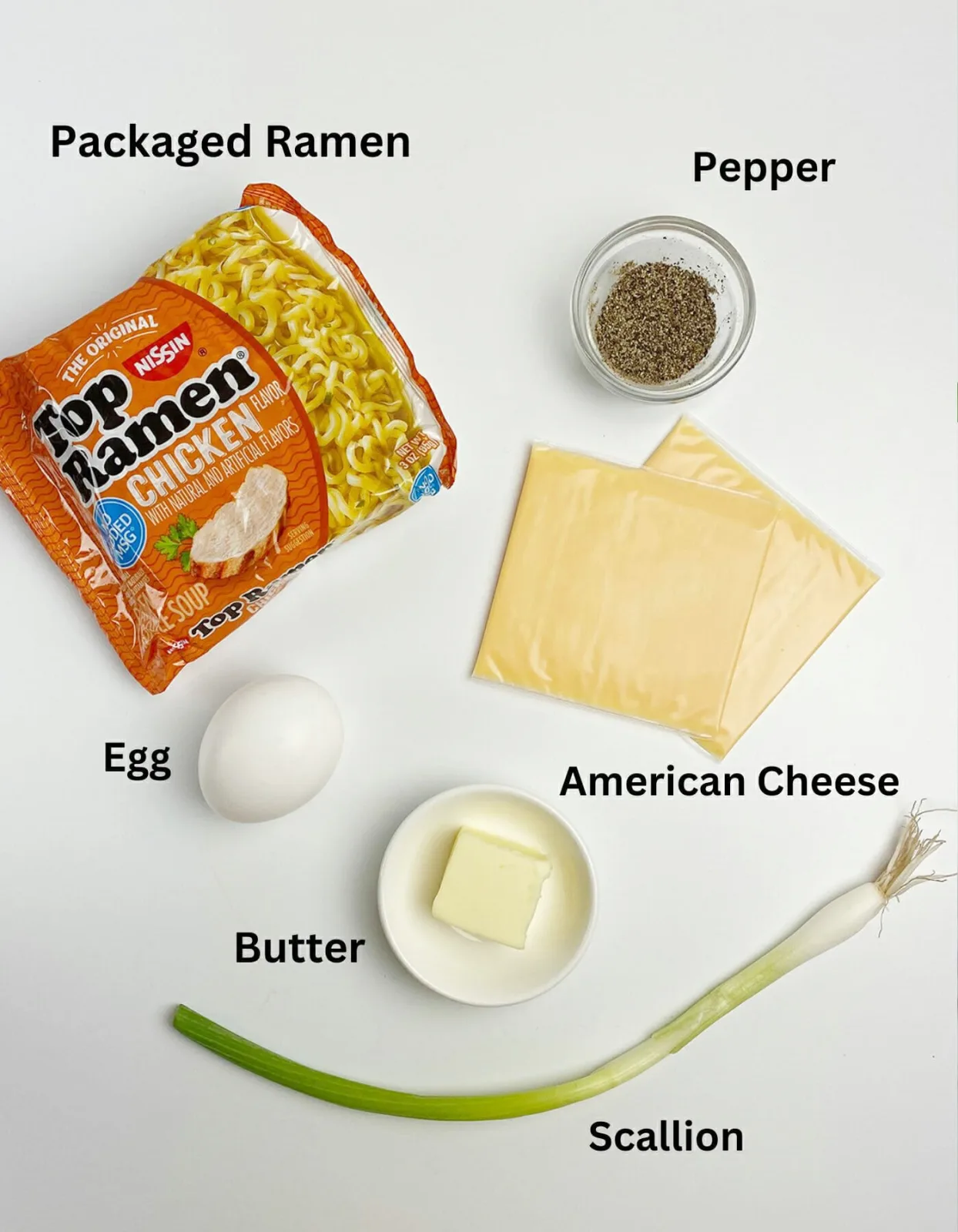
Cheesy Ramen That Eats Like Dinner: A 20-Minute Weeknight Method
Cheesy ramen is having a moment, but the useful idea is simpler than the trend: turn one packet of noodles into a balanced bowl with a controlled amount of cheese, one vegetable and an egg or other quick protein.
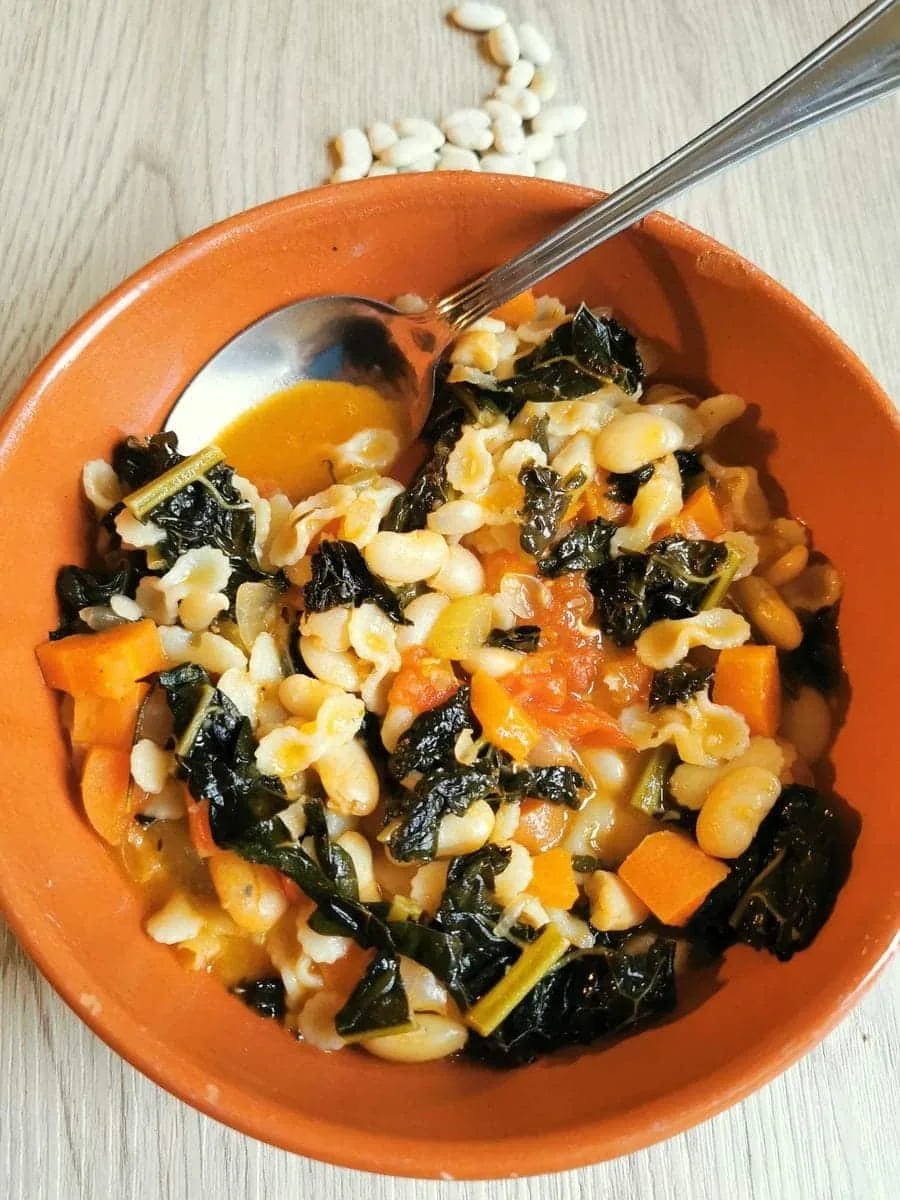
Pasta e Fagioli for Soup Season: A 35-Minute Pantry Dinner That Holds Up as Leftovers
A practical fall soup plan for the week pasta e fagioli started showing up again: canned beans, a little pasta, greens, tomato and careful leftover handling.
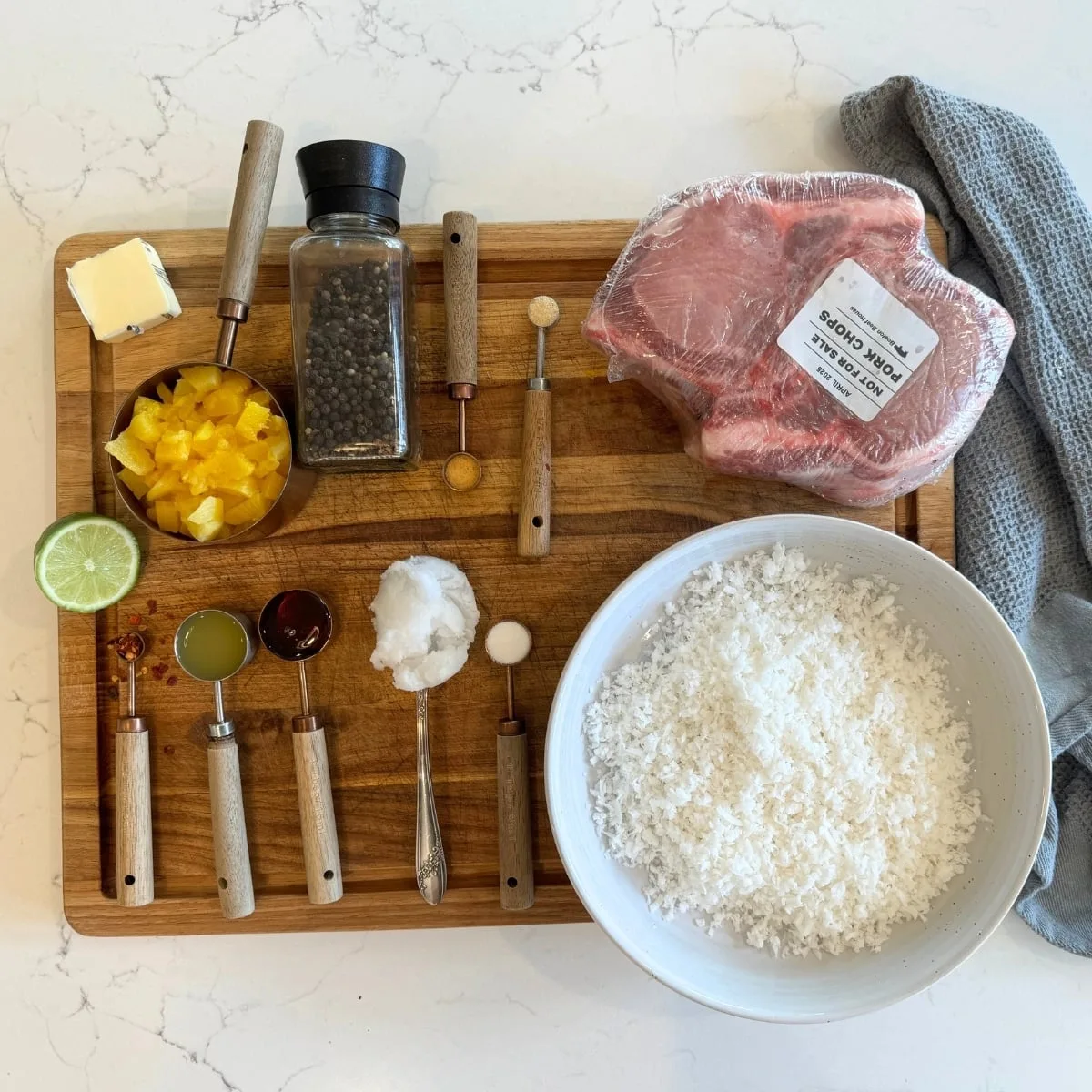
Saucy Pork Chops with Coconut Crisp: A 45-Minute Weeknight Dinner That Fixes Dry Chops
A thick-cut pork chop, a quick pan sauce and a sweet-salty coconut crisp turn a familiar weeknight dinner into something with contrast and character. Here is how to make it work with ordinary supermarket ingredients.
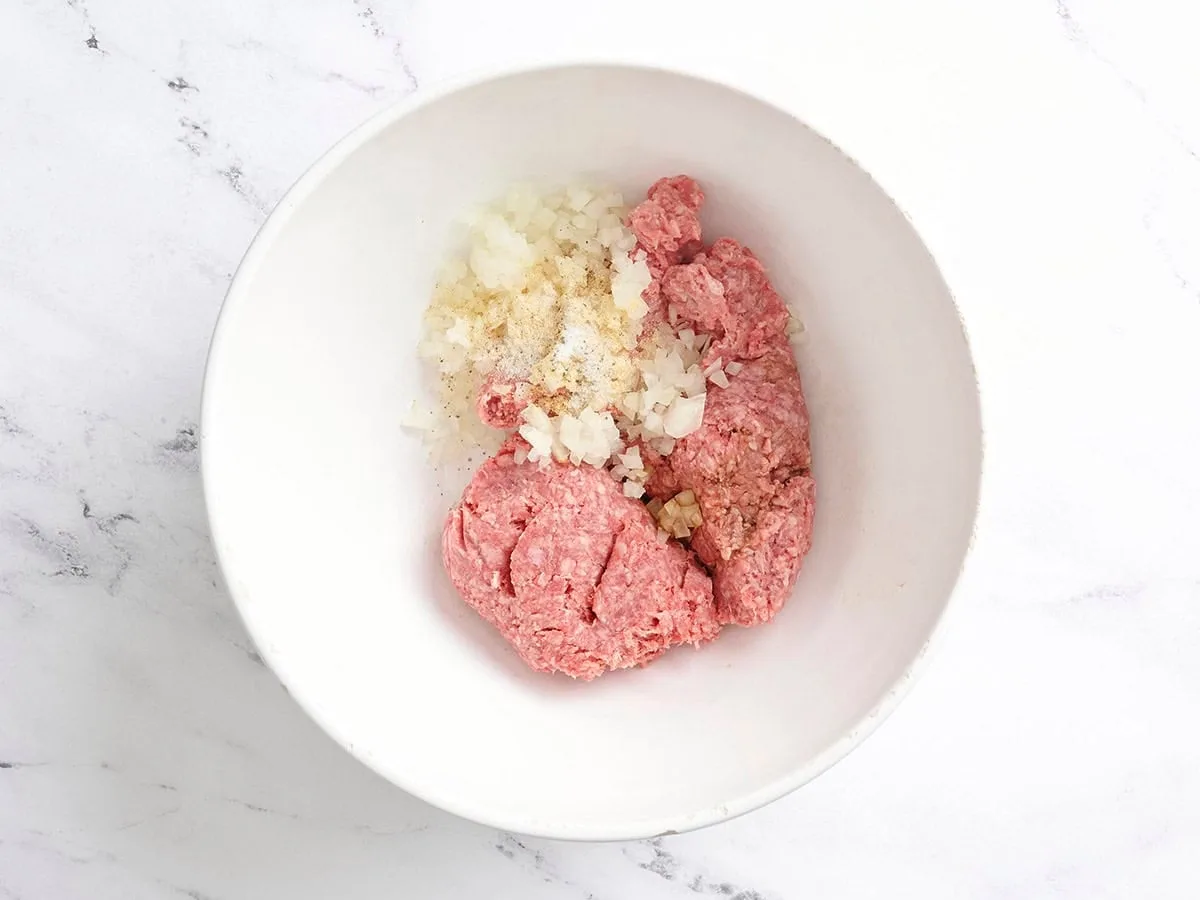
15-Minute Smash Tacos: Crisp Beef Tortillas from One Skillet
Ground beef cooks directly onto flour tortillas, giving you browned edges, a crisp base and a fast dinner without a separate taco filling. Here is the method, the useful swaps and the safety detail that matters.
Comments
Sign in to comment.
No comments yet.