Saucy Pork Chops with Coconut Crisp: A 45-Minute Weeknight Dinner That Fixes Dry Chops
A thick-cut pork chop, a quick pan sauce and a sweet-salty coconut crisp turn a familiar weeknight dinner into something with contrast and character. Here is how to make it work with ordinary supermarket ingredients.

The internet’s current coconut moment has a practical side. Bon Appétit’s recent most-saved recipes included a pork chop finished with a buttery coconut crisp, alongside coconut-braised mushrooms and other savory dishes. The appeal is easy to understand: the pork is familiar, the cooking happens in one skillet, and the topping makes a plain chop feel considered without requiring a long marinade or a special piece of equipment.
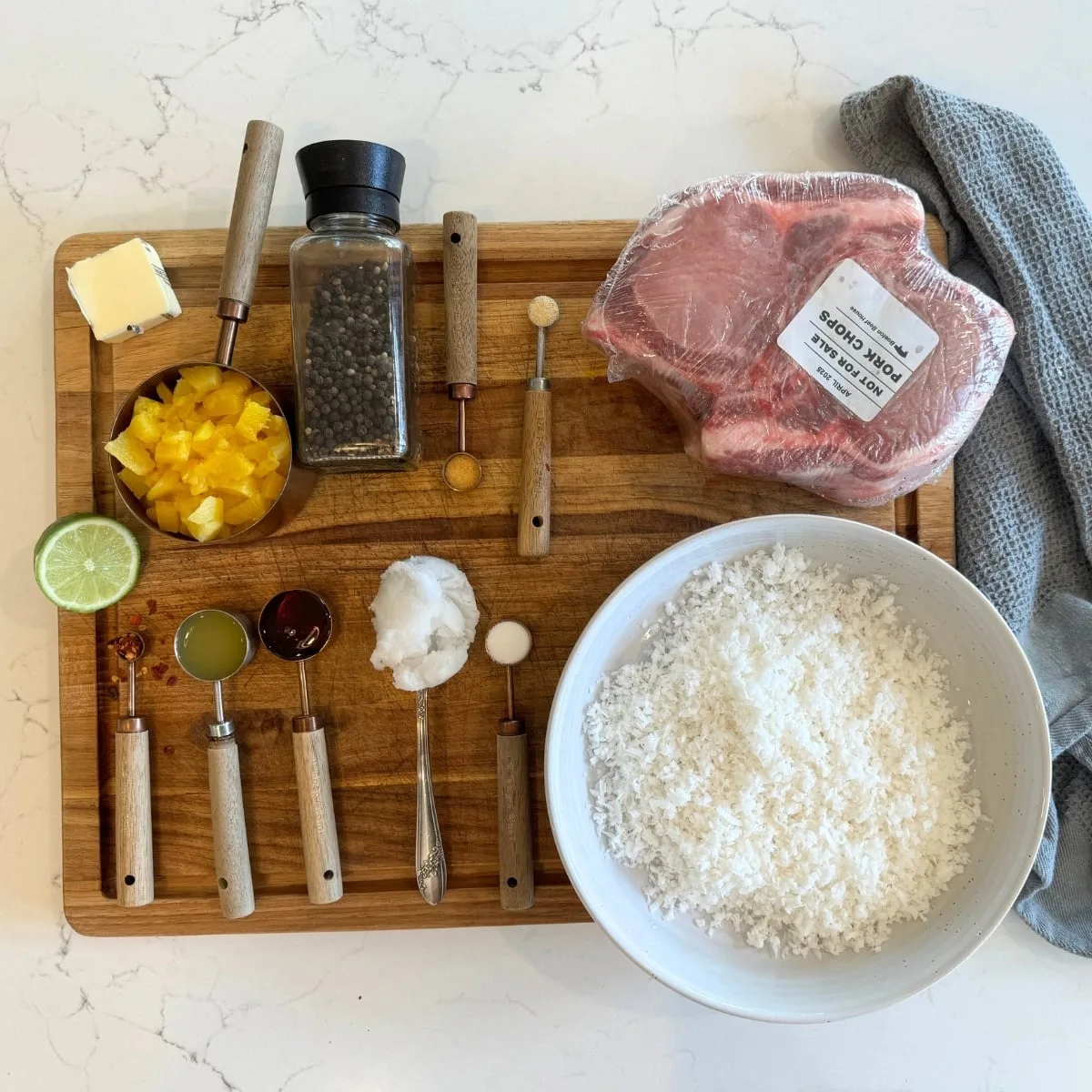
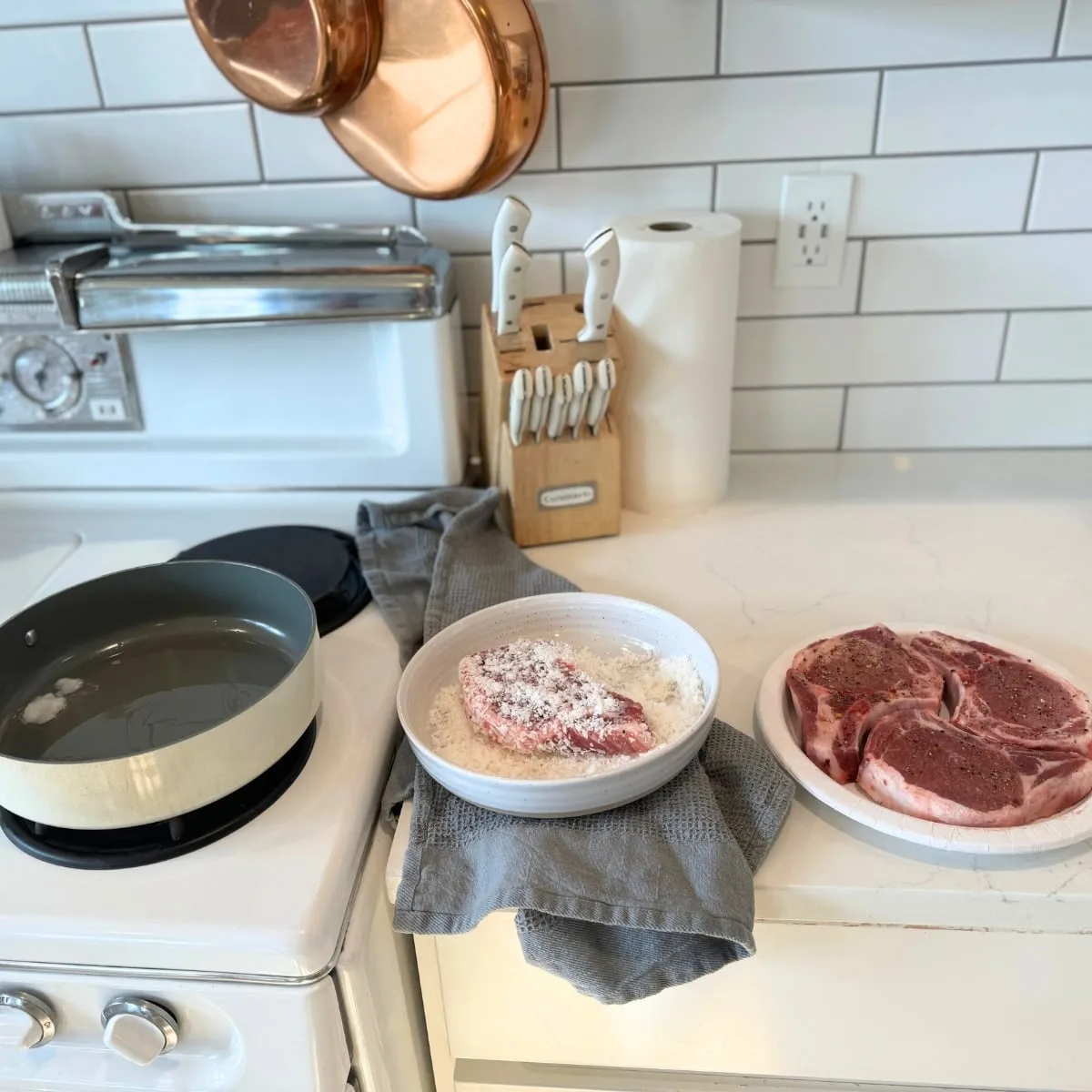
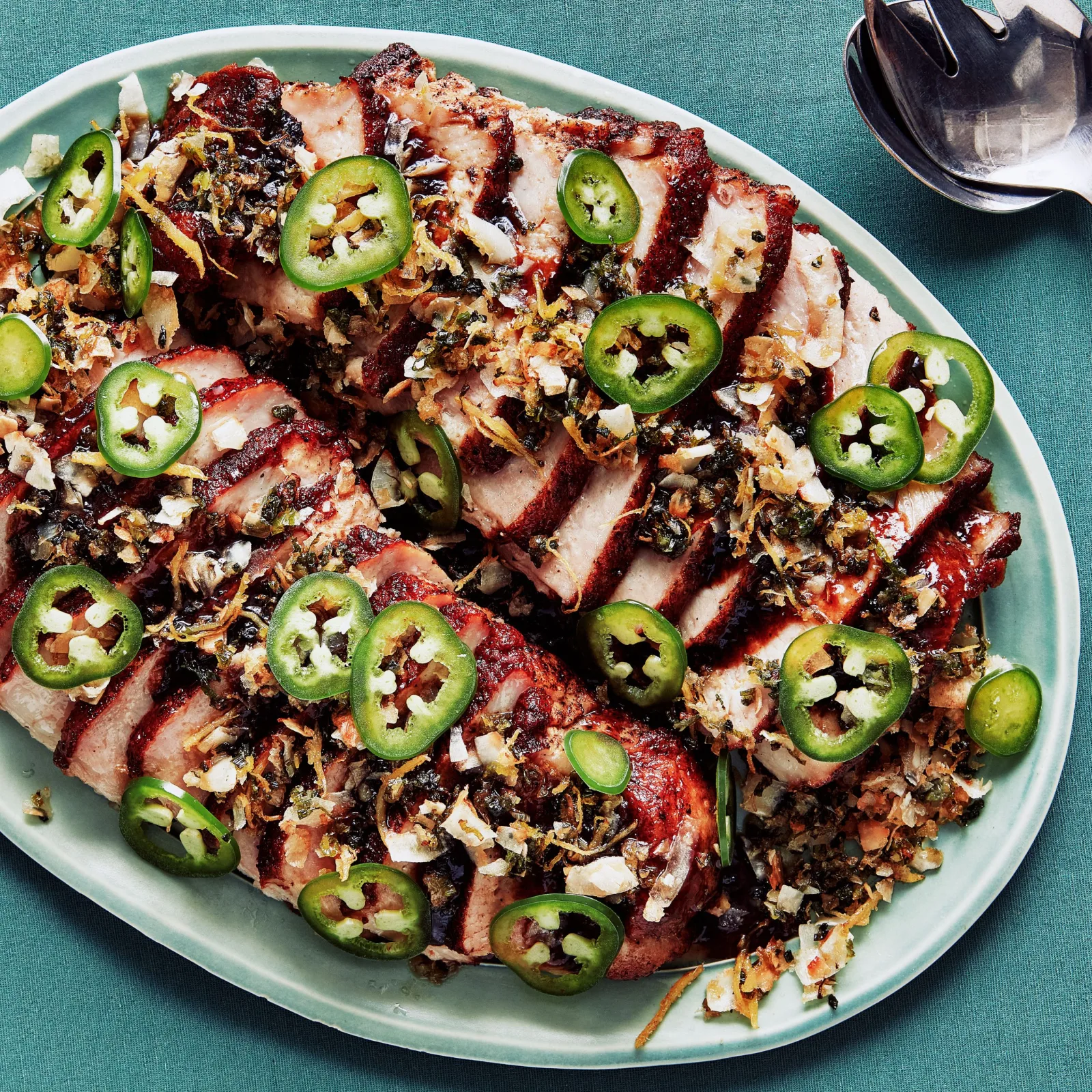
This version keeps that basic idea but treats it as a weeknight formula rather than a precious recipe. You need thick pork chops, scallions, ginger, unsweetened coconut flakes, a little butter and an umami-rich sauce. The crisp can be made first and held while the pork cooks. The pan sauce takes only a few minutes and uses water to loosen the browned bits, so there is no stock to open or wine to measure.
The result is a dinner for two in about 45 minutes, including the time needed to prepare the topping. Serve it with rice, noodles, steamed greens or a sharp cucumber salad. If you are feeding more people, the recipe scales, but the chops should still have room in the pan; crowding makes browning less reliable and extends the cooking time.
Why this combination works
Pork chops often fail at home for a simple reason: lean meat is cooked until it is safe, then left on the heat long enough to become dry. A thick, well-marbled, bone-in chop gives you more room for error than a thin boneless cut. A short rest keeps the juices from running immediately onto the cutting board. The sauce adds moisture at the table, but it cannot reverse severely overcooked meat.
The coconut crisp handles the other common problem with a plain chop: a soft, uniform plate. Unsweetened coconut flakes bring crunch and a mild toasted flavor. Scallions add a fresh allium note, ginger gives the topping warmth, and a small amount of sugar helps the coconut brown. The topping is not a breading and is not meant to cling to the meat. It is closer to a savory finishing relish with texture.
The pan sauce is deliberately restrained. Butter gives it body, water dissolves the browned fond, and oyster sauce supplies salt and depth. Because oyster sauce varies considerably between brands, the sauce should be tasted before adding any extra salt. The jalapeño is optional, but a little fresh heat keeps the butter and coconut from making the dish feel heavy.
Bon Appétit lists the original preparation at 45 minutes and two servings. Its method uses thick-cut bone-in rib chops, a coconut topping made with scallions and ginger, and an oyster-sauce pan sauce. The instructions below preserve those useful proportions while adding practical substitutions and timing notes for an everyday kitchen.
At a glance
- Serves: 2
- Total time: about 45 minutes
- Active cooking: about 35 minutes
- Equipment: one heavy skillet, a small bowl, tongs and an instant-read thermometer
- Best skillet: cast iron or another heavy pan that holds heat
- Main allergens: oyster sauce may contain shellfish, soy and wheat; butter is dairy
Ingredients
For the coconut crisp
- 1 bunch scallions, thinly sliced
- 1 piece fresh ginger, about 2 inches long, peeled and cut into thin matchsticks
- 3 tablespoons neutral vegetable oil
- 1/2 cup large unsweetened coconut flakes
- 1 tablespoon sugar
- 1 teaspoon garlic powder
- 1/2 teaspoon Diamond Crystal kosher salt, or 1/4 teaspoon fine-grain Morton kosher salt
For the pork and sauce
- 2 bone-in pork rib chops, about 1 inch thick and well marbled
- 2 teaspoons Diamond Crystal kosher salt, or about 1 1/4 teaspoons fine-grain kosher salt, divided as needed
- Freshly ground black pepper
- 1 tablespoon neutral vegetable oil
- 2 tablespoons unsalted butter
- 1/2 cup water
- 2 tablespoons oyster sauce
- 1 jalapeño, thinly sliced, for serving
Rice, noodles or a simple green vegetable are optional but useful. The sauce is salty and concentrated, so an unsalted or lightly seasoned side works better than another strongly seasoned dish.
Before you start
Take the pork from the refrigerator while you prepare the other ingredients. It does not need to sit out for a long time; 15 to 20 minutes is enough to take the chill off while you slice the scallions and ginger. Pat the chops dry with paper towels. Surface moisture slows browning, and wet pork is more likely to steam than sear when it hits the pan.
Separate the scallion whites and greens if you like a more polished finish. The whites can go into the crisp with the ginger, while the green tops can be scattered over the finished chops. This is optional. The original style of the topping uses thinly sliced scallions together, and the recipe works either way.
If your coconut flakes are very large, leave them that way. Large shards give the topping a more noticeable crunch. Shredded coconut can be used, but it colors faster and is easier to burn, so reduce the heat as soon as it begins to turn golden.
Make the coconut crisp
-
Put the scallions, ginger and vegetable oil in a heavy skillet over medium heat. Stir frequently for 6 to 8 minutes. The scallions should soften and the ginger should become fragrant; neither needs to be deeply brown at this point.
-
Add the coconut flakes and continue cooking, stirring often, until the coconut is golden, about 5 minutes. Watch closely during the final minute. Coconut can move from pale to scorched quickly, especially in a dark pan.
-
Transfer the mixture to a bowl. Stir in the sugar, garlic powder and salt while it is still warm. Taste only after it has cooled enough to judge the texture; the crisp firms as it stands.
The topping can be made up to five days ahead and stored in an airtight container at room temperature, provided it is fully cooled before sealing. If it softens, spread it on a plate for a few minutes before serving rather than putting it back into a hot skillet with the pork juices. The skillet should be reserved for the chops, where the browned bits will become part of the sauce.
Cook the chops without drying them out
-
Season the pork all over with salt and a generous amount of black pepper. If the chops are especially thick near the bone, season the edges too.
-
Heat the reserved skillet over medium-high heat. Add the tablespoon of oil. When the oil looks fluid and shimmers, place the chops in the pan. They should sizzle immediately, but the oil should not be smoking heavily.
-
Cook the chops undisturbed for about 5 minutes, until the underside is deeply browned. Do not press them down with a spatula. Pressing does not improve contact and can push juices out of the meat.
-
Turn the chops. Continue cooking, turning every 2 minutes or so, until both sides are well browned and the thickest part reaches 145°F (63°C) on an instant-read thermometer. Insert the thermometer from the side, aiming toward the center and avoiding the bone. Depending on the thickness of the chops and the pan, this commonly takes another 10 to 12 minutes.
-
Move the pork to a cutting board and let it rest for at least 3 minutes. The USDA recommends 145°F for whole pork chops followed by a three-minute rest. A thermometer is more dependable than color, cooking time or the firmness of the meat.
A chop can look slightly pink in the center and still be safely cooked when it has reached the correct temperature. Conversely, a gray exterior does not prove that the center is ready. The thermometer matters most near the bone, where the meat is thickest and where a quick surface reading can be misleading.
Turn the browned pan into a sauce
Lower the heat to medium. Add the butter to the same skillet. Swirl it as it foams. After about a minute, the milk solids should begin to turn golden and smell nutty, but they should not be black.
Pour in the water carefully; it may hiss as it meets the hot pan. Scrape the bottom with a wooden spoon or spatula to loosen the browned fond. Bring the liquid to a simmer, stir in the oyster sauce and cook for about 2 minutes, until it lightly coats a spoon.
Taste the sauce. If it is too intense, add a tablespoon or two of water. If it seems flat, a small squeeze of lime juice or rice vinegar can sharpen it, although neither is required. Avoid adding more salt until the oyster sauce has been accounted for.
Slice the rested chops and arrange them on a plate or platter. Spoon over the sauce and add the coconut crisp at the very end. Scatter the jalapeño on top. Keeping the crisp out of the sauce until serving is the key to preserving its texture.
Practical substitutions
Thin boneless pork chops: They cook faster and dry out sooner. Reduce the initial browning time and begin checking the internal temperature early. A thin chop may not develop the same deep crust before it reaches 145°F, so use the sauce generously.
Center-cut pork loin chops: These are usually leaner than rib chops. They work, but the margin for error is smaller. A little extra sauce and a strict thermometer check are more useful than trying to cook them by color.
Chicken breasts or thighs: The coconut crisp works well with chicken, but the safe temperature and timing differ. Follow current poultry-safety guidance and check the thickest part with a thermometer. Boneless thighs are more forgiving than breasts.
Tofu: Use firm or extra-firm tofu, press it dry, sear it separately and spoon the sauce over it. Replace oyster sauce with vegetarian mushroom oyster sauce if needed. The coconut crisp itself is a good topping for tofu, rice or roasted vegetables.
No oyster sauce: Use vegetarian mushroom oyster sauce for a close texture and a similar sweet-salty profile. Hoisin sauce can work in a pinch, but it is sweeter, so start with less and loosen it with water. Soy sauce alone will make a thinner, saltier sauce; use a smaller amount and add a little brown sugar if the flavor needs rounding.
No fresh ginger: Use a small amount of ground ginger in the crisp, but add it with the garlic powder rather than frying it at the beginning. Ground ginger burns more easily and will not give the same fibrous texture.
No coconut flakes: The recipe loses its defining crunch, but chopped roasted peanuts, cashews or sesame seeds can fill the same role. Watch them closely because nuts toast quickly. Check labels if allergies are a concern.
No jalapeño: Add thinly sliced radish, a spoonful of pickled vegetables or a splash of vinegar at the table. The point is contrast, not a mandatory level of heat.
Dairy-free: Use a neutral dairy-free butter or simply make the sauce with oil and water. It will be less rounded but still useful because the oyster sauce and browned fond provide most of the savory character.
How to fit it into a weeknight
The cleanest order is to make the crisp first, then cook the pork, then finish the sauce while the meat rests. If you are serving rice, start it before the topping. While the rice cooks, slice the scallions and ginger. The coconut crisp can sit in its bowl without a problem, and the final sauce takes less time than plating the sides.
For four servings, use two skillets if possible. Cooking four chops in one crowded pan can lower the surface temperature enough to produce pale, steamed meat. If one pan is all you have, brown the chops in batches and return them to the pan briefly to finish. Make the sauce from all of the accumulated fond, but keep the chops warm rather than letting them sit at room temperature while the second batch cooks.
A sheet pan of broccoli, green beans or cabbage is an easy side because the vegetables do not need a second sauce. Cucumber dressed with rice vinegar and a pinch of sugar gives the plate a cooler, sharper element. Plain rice is not an afterthought here; it absorbs the pan sauce and keeps the meal from becoming all rich topping and meat.
Common failure points
The coconut tastes bitter. The heat was probably too high or the flakes were left unattended. Start again with medium heat and stir more often near the end. Burnt coconut cannot be repaired with extra sugar.
The topping is greasy. The oil is part of the crisp, but it should not pool heavily. Transfer the mixture with a slotted spoon if necessary, and let it cool on a plate rather than sealing it while hot.
The pork is pale. The chops may have been wet, the pan may not have been hot enough, or the pan may have been crowded. Pat the meat dry and give each chop space. Do not raise the heat so far that the outside burns before the center cooks.
The pork is dry. Thin chops, prolonged cooking and temperature guessing are the usual causes. Next time, start checking earlier with a thermometer. Thick, well-marbled chops give a more forgiving result. Slice the finished meat thinly and use the sauce; that will improve the eating experience, but it cannot restore moisture lost during overcooking.
The sauce is too salty. Oyster sauce is concentrated and brands differ. Add water a tablespoon at a time and serve with plain rice or vegetables. Do not try to dilute it with more butter alone; that can make the sauce greasy without reducing its saltiness.
The crisp goes soft. It was probably mixed with the sauce too early, or it was stored before it had cooled. Keep the topping separate until the plates are ready. For leftovers, store the pork, sauce and crisp in separate containers when possible.
Leftovers and food safety
Raw pork should be kept separate from ready-to-eat ingredients, and any plate or utensil that held raw meat should be washed before it touches the cooked food. Wash hands after handling the chops. The coconut mixture is cooked, but it should not be used to touch raw pork and then be served without another heating step.
Cook whole pork chops to 145°F and allow them to rest for at least 3 minutes, as advised by the USDA Food Safety and Inspection Service. Check at the thickest part and avoid touching the bone with the thermometer tip. Ground pork follows different guidance, so do not substitute ground meat in this recipe without changing the safety instructions.
Refrigerate leftovers within 2 hours, or within 1 hour if the surrounding temperature is above 90°F. Use cooked leftovers within 3 to 4 days. Reheat the pork gently with a little sauce; high heat will toughen it. Warm the coconut crisp separately in a dry skillet or toaster oven for a short time if needed, but do not leave it unattended.
The oyster sauce deserves its own label check. It commonly contains oyster extract and may also contain soy or wheat, depending on the brand. Anyone with a shellfish allergy should use a clearly labeled vegetarian alternative rather than assuming that a small amount is harmless. The recipe also contains dairy through the butter and may contain tree nuts if you choose nuts as a coconut substitute.
The useful lesson behind the trend
The coconut-pork combination is worth trying because it changes the structure of a familiar dinner, not because every viral or highly saved recipe deserves permanent status. The pork remains the main event, the sauce is fast enough for a Tuesday, and the crisp can be reused on other meals. That last point is what makes the idea practical: a topping built from scallions, ginger and coconut can rescue tofu, rice, roasted squash or leftover chicken without requiring a new recipe each time.
Keep the formula in mind when adapting it to what is already in the kitchen. Brown a substantial protein, make a quick sauce from the pan, and finish with something crisp, aromatic and slightly sharp. The exact ingredients can change. The timing, temperature check and separation of crisp from sauce are the parts that make the dinner dependable.
Related articles
Small-Batch September Jam: A Plum and Fig Refrigerator Spread Without Canning
September’s glut of plums and figs is ideal for a small batch of jam, but you do not need a canning setup. This stovetop spread is designed for the refrigerator or freezer, with practical guidance on texture, substitutions, storage and ways to use it.
Tomato eggs over rice: a 15-minute skillet dinner from ripe tomatoes and a carton of eggs
A forgiving home-cooking pattern for the night when tomatoes are softening, eggs are in the fridge, and dinner needs to land quickly.
Fridge ratatouille: the easy one-pot dinner for too many zucchini and tomatoes
A practical 45-minute vegetable pot that rescues softening summer produce and turns it into dinner, leftovers and sauce.
The September Sheet-Pan Dinner: A Flexible Roast of Corn, Peppers, Chickpeas and Whatever Needs Using
A practical late-summer-to-early-fall dinner built around one hot tray: sweet corn, peppers, onions and chickpeas become a substantial meal with a crisp topping, a cool sauce and easy substitutions.
Comments
Sign in to comment.
No comments yet.