Tomato eggs over rice: a 15-minute skillet dinner from ripe tomatoes and a carton of eggs
A forgiving home-cooking pattern for the night when tomatoes are softening, eggs are in the fridge, and dinner needs to land quickly.

The useful promise of tomato eggs is not that it is fancy. It is that a few ripe tomatoes, three or four eggs and a bowl of hot rice can become dinner before anyone has time to argue about takeout. The dish is widely associated with Chinese home cooking, yet it also works as a practical weekday pattern: cook the eggs gently first, make the tomatoes saucy second, then bring the eggs back only at the end.
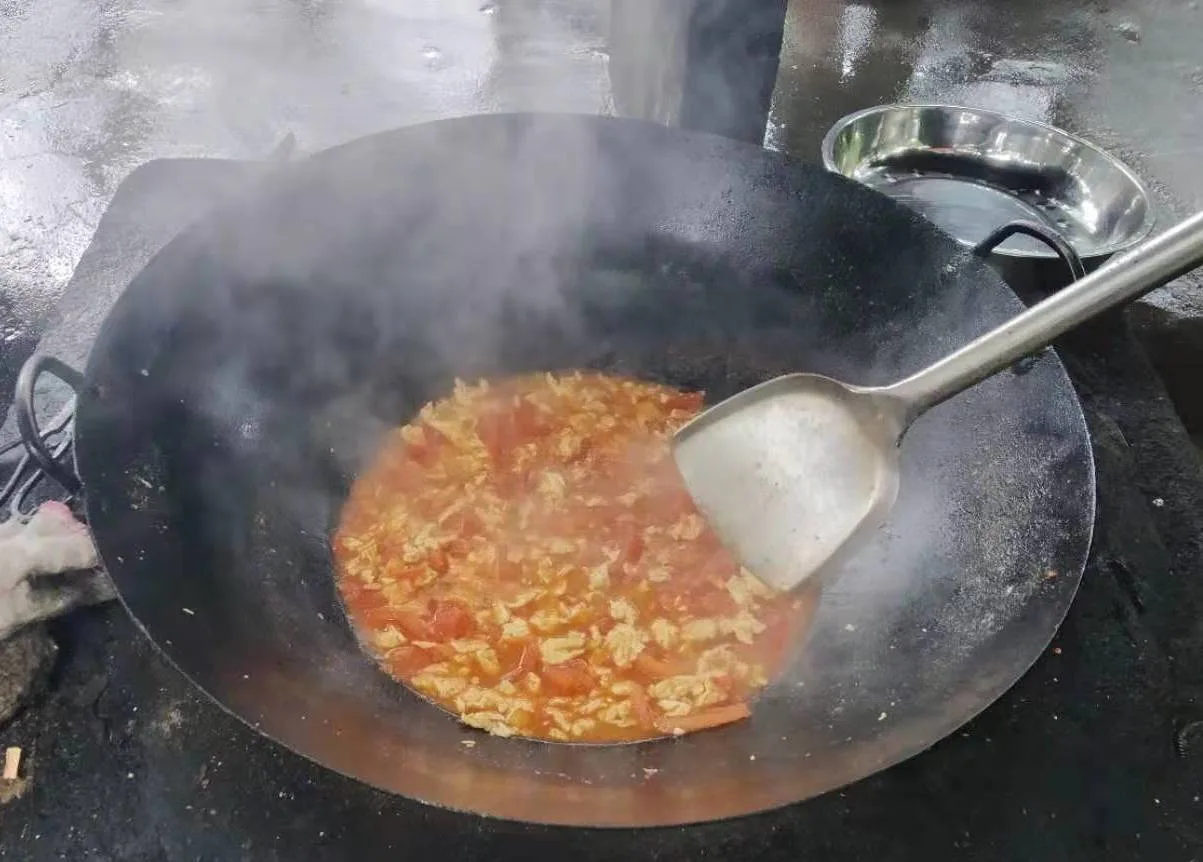
Time: about 15 minutes of active cooking, plus a few minutes if the rice needs reheating. Portions: 2 generous bowls, or 3 smaller servings if you add toast, noodles, a cucumber salad or quick greens. Equipment: one nonstick or well-seasoned skillet is enough; a second small pan is helpful only when you want to warm rice separately.
For two to three portions, use 3 or 4 large eggs, 2 or 3 ripe medium tomatoes, 1 small scallion or a clove of garlic if you have it, 1 tablespoon neutral oil, salt, a pinch of sugar only when the tomatoes taste sharp, and 1 teaspoon soy sauce if that flavor belongs in your pantry. Serve it over leftover rice, fresh rice, noodles, toast, pita, couscous or even boiled potatoes.
Start with the tomatoes. Wash them before cutting, then slice them into wedges or large chunks rather than tiny dice. A larger cut gives you both sauce and recognizable tomato pieces. Sprinkle them with a small pinch of salt while you beat the eggs; this short rest helps them release juice once they hit the hot pan.
Beat the eggs with a pinch of salt until the whites and yolks are mostly combined but not foamy. Heat the skillet over medium heat, add the oil, and pour in the eggs. Stir slowly with a spatula, pushing the soft curds from the edge toward the center. Remove the eggs while they still look a little glossy, because they will finish when returned to the tomatoes.
Put the same pan back on medium heat. If the pan is dry, add a teaspoon more oil. Stir in the scallion white, garlic or ginger for a few seconds, then add the tomatoes and their juices. Let them sizzle, soften and collapse around the edges. The target is not a dry sauté; the target is a loose tomato sauce that can soak into rice.
Season the tomatoes after they have cooked down for a minute or two. Salt is the main seasoning. Soy sauce adds savoriness but is optional, and too much can push the dish away from the clean tomato flavor. A tiny pinch of sugar can round out very acidic tomatoes, but sugar should not become the point of the pan.
When the tomato juices look shiny and spoonable, slide the soft eggs back into the skillet. Fold instead of chopping. The eggs should catch the sauce in broad pieces, not disappear into crumbs. Turn off the heat as soon as the eggs are set and coated. If the pan looks too tight, loosen it with a spoonful of water, tomato juice or rice-cooking water.
Serve immediately over hot rice so the sauce runs downward and seasons the grains. If you are using leftover rice, reheat it until steaming hot before spooning the tomato eggs on top. Toast works when there is no rice, but choose sturdy toast because the best version of this dish is intentionally saucy.
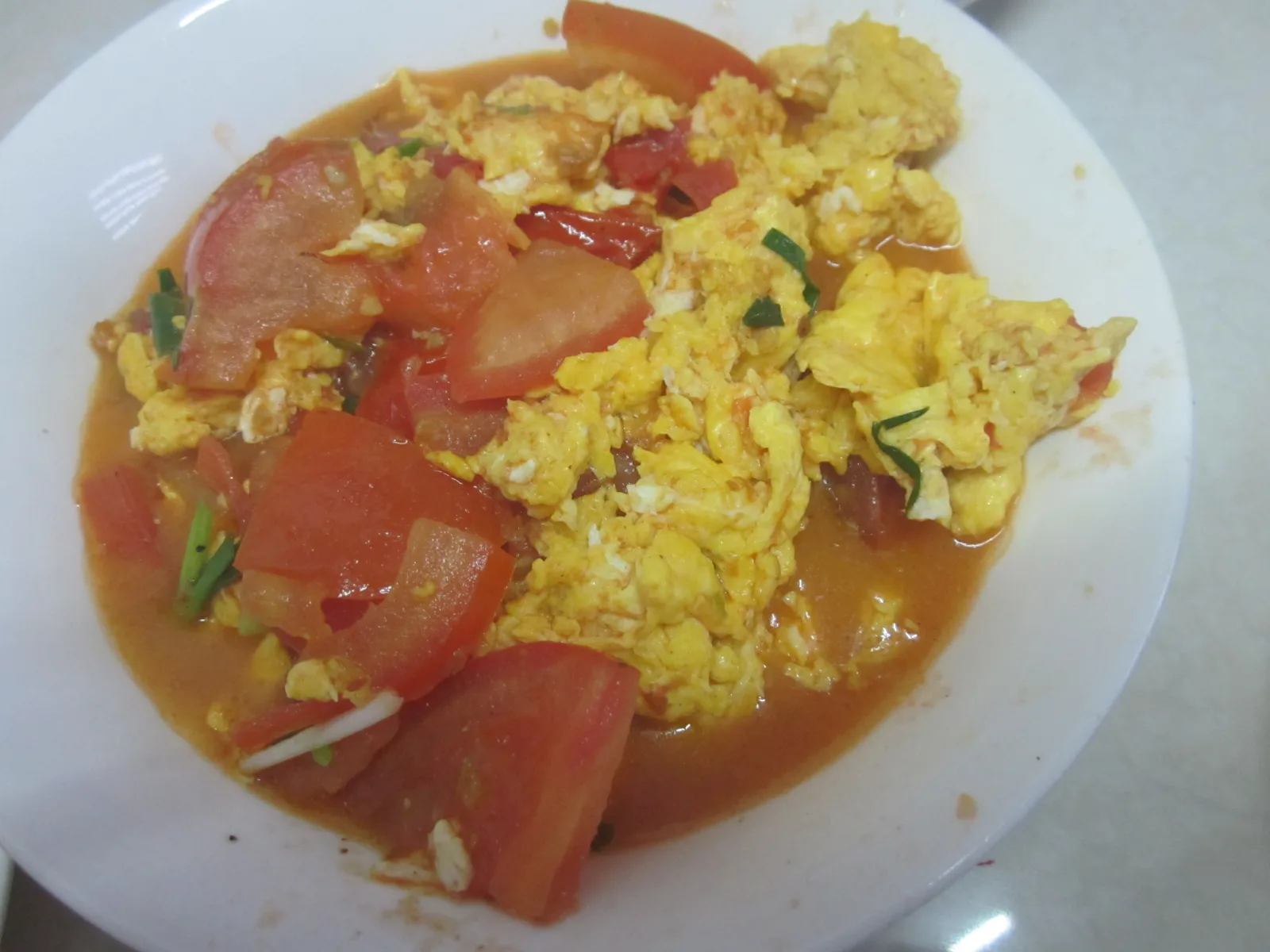
Ripe fresh tomatoes are the best choice because they make their own juice quickly. Cherry tomatoes work too; halve them and give them an extra minute. Canned chopped tomatoes are a pantry backup, not a failure, but use a modest amount and cook off the raw canned edge before the eggs return. Hard pale tomatoes are the one ingredient that may not be worth forcing.
Aromatics should support the pan, not turn it into a shopping list. Scallion gives a familiar fresh edge. Garlic makes the dish warmer. Ginger makes it brighter. A small piece of onion works when that is what is left in the fridge. If none of these is available, eggs, tomatoes, salt and rice are still enough.
The most common mistake is rubbery eggs. That usually happens because the eggs stay in the pan while the tomatoes cook. Scramble first, remove early, and accept that the eggs will look underdone for a minute. They are not being served raw; they are being protected from the longer tomato step.
The second common mistake is a watery plate. Some tomatoes release a lot of liquid and need another minute before the eggs return. Let the juices bubble until they thicken slightly and taste like tomato rather than warm water. If the pan still seems loose, serve it over rice rather than toast and call the sauce a feature.
If the dish tastes flat, add salt before adding sugar. Tomato acidity can trick the cook into reaching for sweetness, but a small correction of salt often wakes up the whole skillet. If the tomatoes are both dull and sour, a pinch of sugar or a few drops of mild vinegar can help; add either one carefully and taste again.
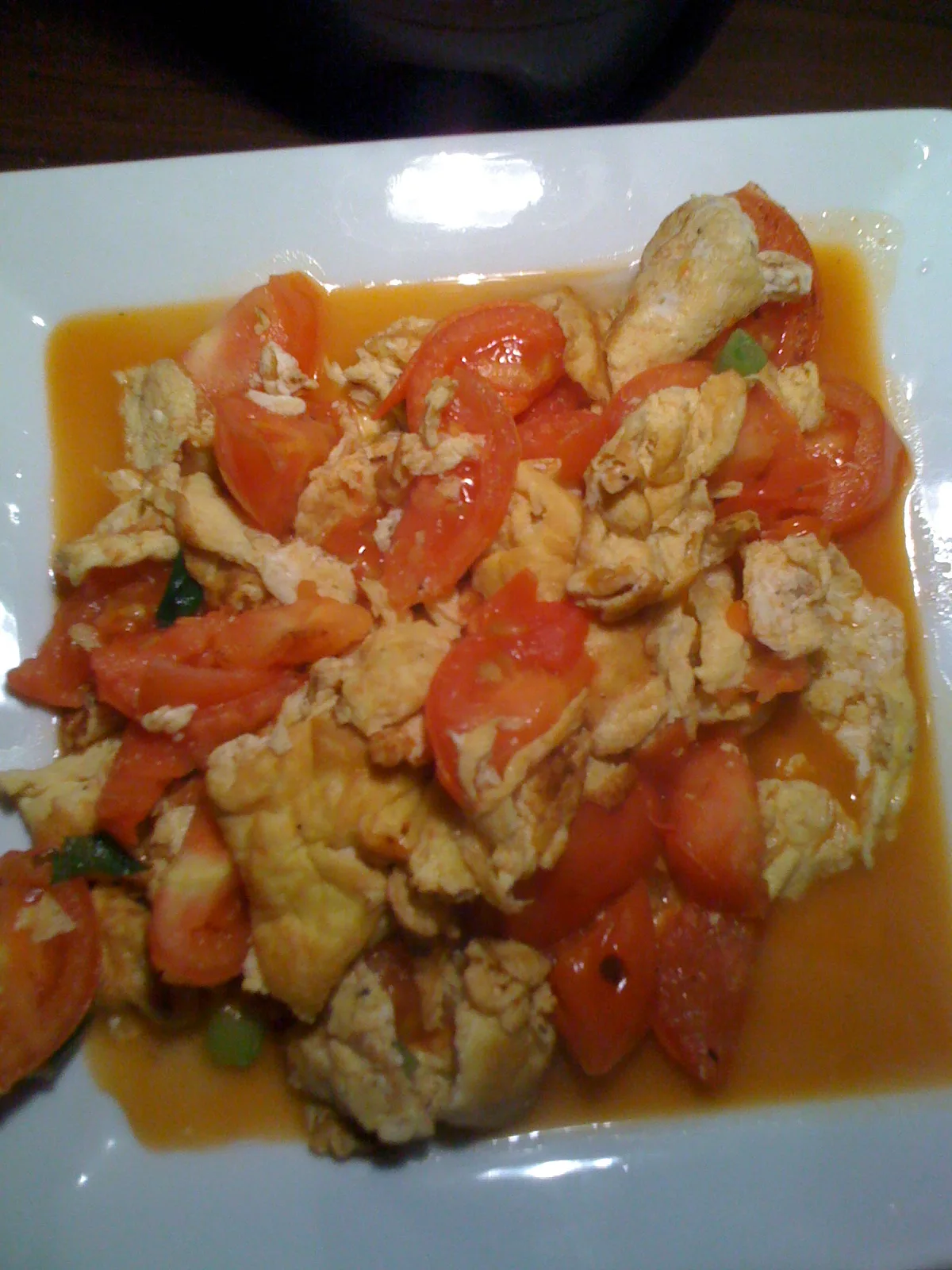
If you want greens, fold in a handful of spinach, bok choy leaves, peas or chopped herbs during the tomato step. Keep the amount moderate so the pan remains tomato eggs rather than mixed vegetable scramble. A spoon of chili crisp, a few drops of sesame oil or black pepper can be added at the table, which keeps the base recipe friendly for children or spice-sensitive eaters.
Food safety matters even in a quick dinner. Use clean hands and utensils, choose intact eggs, and keep eggs refrigerated before cooking. Cook the eggs until set, while managing the heat so set does not mean dry. For young children, pregnant readers, older adults or immunocompromised people, avoid advice that leaves eggs raw or barely cooked.
Cooked rice also deserves attention. Rice should not sit warm on the counter for hours. Chill leftovers promptly, keep them cold, and reheat until steaming hot before serving. Refrigerate leftover tomato eggs in a shallow container and reheat thoroughly; the texture will be softer the next day, but it can still make a good lunch bowl.
This version does not claim to be the only correct tomato-and-egg formula. Many families season the dish differently, and the tomato-to-egg balance changes with the season. The everyday lesson is simpler: eggs first, tomatoes saucy, eggs back at the end. Once that order is familiar, the dish becomes one of the easiest ways to turn late-summer tomatoes into dinner.
Photo credits: the cooking-process image is by Mx. Granger, CC0, Wikimedia Commons. The finished Hunan-style tomato egg image is by Huangdan2060, CC BY 3.0, Wikimedia Commons. The second finished tomato-and-egg plate is by Godofnanjing, CC BY-SA 3.0, Wikimedia Commons. The cooking guidance was checked against USDA SNAP-Ed tomato handling, USDA/FSIS and FDA egg-safety guidance, and public food-safety advice for leftovers and rice.
A good way to judge the pan is to listen. Eggs should hiss softly, not roar, because aggressive heat makes tight curds before you can move the spatula. Tomatoes can take a slightly livelier bubble because their water needs to concentrate. If the skillet smokes, pull it off the burner for a moment; a calm medium heat gives you more control than the fastest flame.
For leftover rice, break up cold clumps before reheating and add a spoonful of water if the grains are dry. A covered microwave bowl, a small saucepan or a steamer basket all work. The important point is that the rice is hot before the tomato eggs arrive; cold rice under a wet topping cools the eggs and makes the bowl taste tired.
If you want to cook for one, use 2 eggs and 1 large tomato, but keep the same order. If you want to cook for four, do not crowd a small pan with 8 eggs and too many tomatoes. Make two batches, or use a wide skillet so the tomato juice can reduce instead of steaming everything into a watery scramble.
Children often like this dinner because the sauce is sweet-tart and the eggs are soft. Keep chili crisp and vinegar on the table rather than in the pan, and let each person finish the bowl their way. For a lunchbox, pack rice and tomato eggs only after cooling, then reheat thoroughly; it is not a dish to leave warm in a container for half a day.
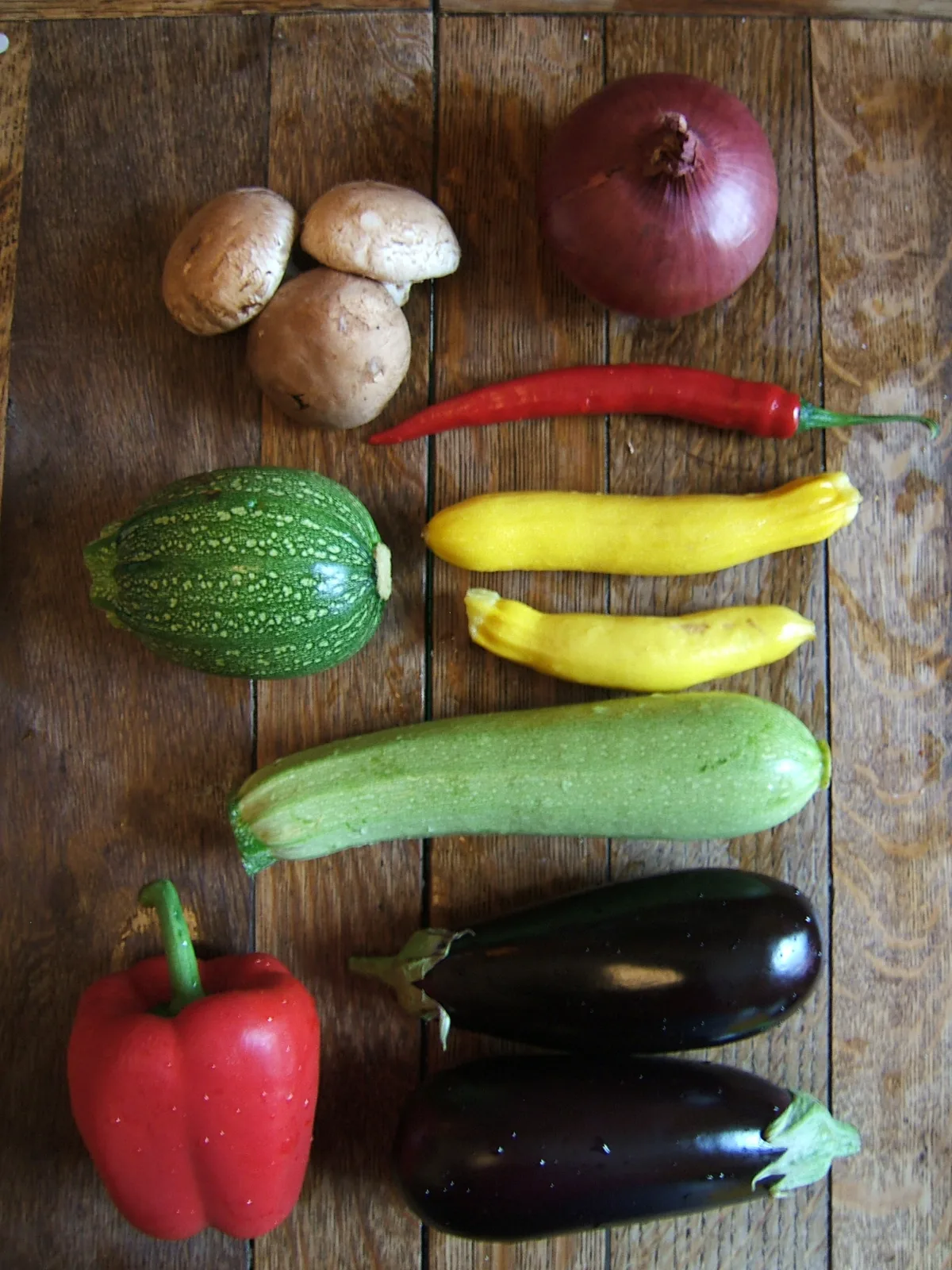
The pan is also a useful fridge-clearing tool, but restraint keeps it good. A few peas, torn spinach leaves or chopped herbs are helpful. A whole drawer of vegetables will dilute the tomato sauce and make the eggs harder to keep tender. If you have mushrooms, peppers or zucchini to use up, cook them as a side or make a different skillet meal rather than hiding the simple tomato-egg idea.
Taste the tomatoes before cooking whenever possible. A fragrant summer tomato may need only salt and egg. A supermarket tomato with decent color but little aroma may need garlic, soy sauce or a few drops of vinegar. A mealy tomato that tastes of nothing is better roasted for another meal or used with canned tomatoes, because this quick method depends on juice and brightness.
The final texture should be spoonable. It is not an omelet, not shakshuka, not fried rice and not soup. Think of broad egg curds sitting in a tomato gravy loose enough to season rice. That definition helps decide every small choice: larger tomato pieces, early egg removal, restrained stirring, and serving before the eggs tighten.
Related articles
Veggie skillet eggs: a 15-minute meal from fridge odds and ends
A friendly one-pan recipe for turning eggs, a tomato and two cups of spare vegetables into hot wedges for breakfast, lunch or dinner.
Fridge ratatouille: the easy one-pot dinner for too many zucchini and tomatoes
A practical 45-minute vegetable pot that rescues softening summer produce and turns it into dinner, leftovers and sauce.
The September Sheet-Pan Dinner: A Flexible Roast of Corn, Peppers, Chickpeas and Whatever Needs Using
A practical late-summer-to-early-fall dinner built around one hot tray: sweet corn, peppers, onions and chickpeas become a substantial meal with a crisp topping, a cool sauce and easy substitutions.
Raw zucchini salad: a 10-minute no-cook side from summer squash
A practical late-summer bowl that turns firm zucchini, lemon, onion and a little cheese into a cold side or light meal base.
Comments
Sign in to comment.
No comments yet.