The late-June garden reset: water by evidence, mulch for heat, plant for insects
A practical late-June garden guide for watering by evidence, mulching correctly, protecting containers and keeping pollinators fed.

Late June is when a garden stops flattering its owner. Spring color has faded, heat arrives in waves, containers dry faster than expected, and every weak habit becomes visible at once. The fix is not a shopping cart full of new plants. The fix is a reset: water by evidence, cover soil, reduce stress before plants wilt, and keep enough bloom in the yard that pollinators have a reason to stay.
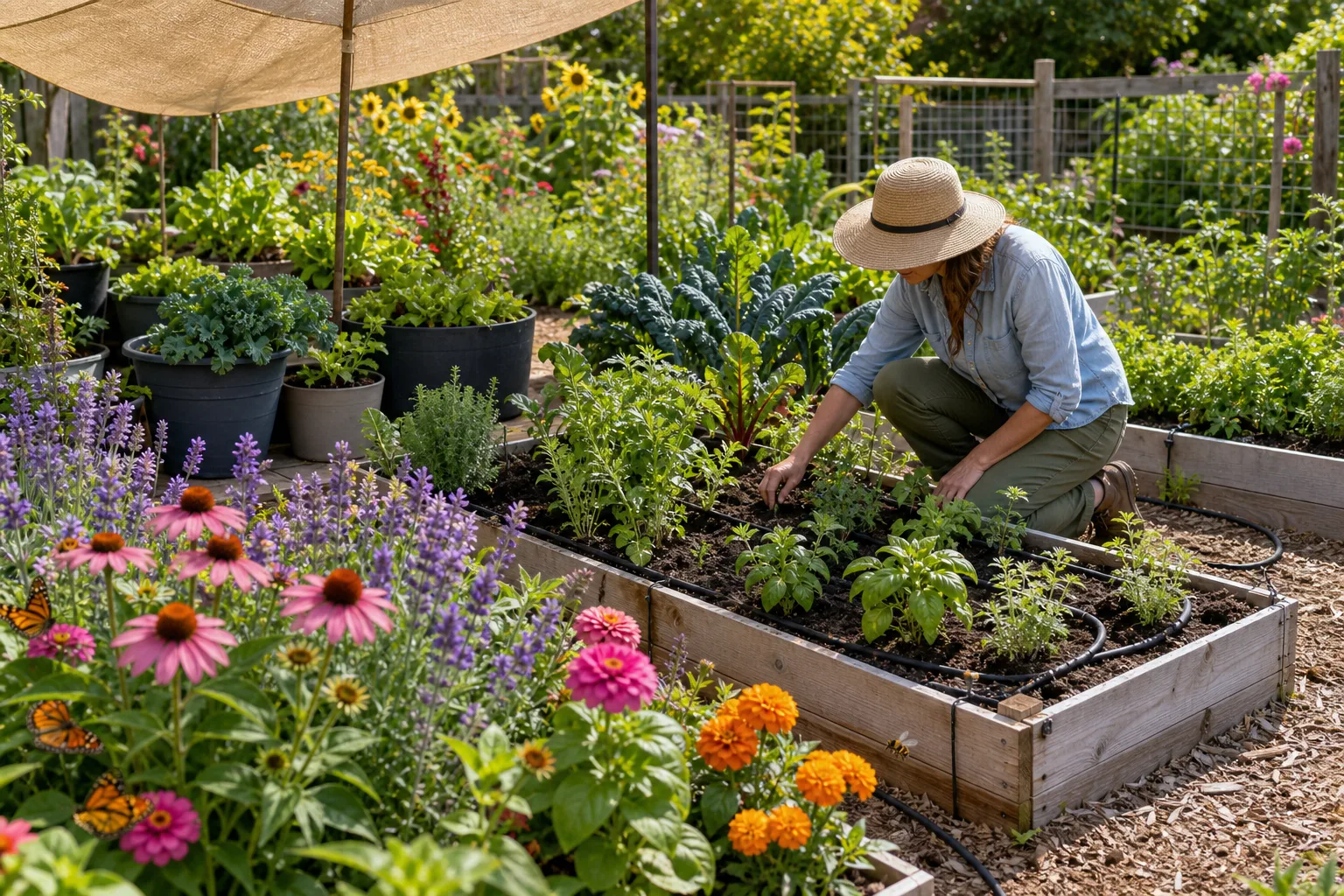
Good summer gardening advice from extension services and horticultural groups tends to sound repetitive because plants keep needing the same basic things. Roots need moisture at depth, not a daily sprinkle on the surface. Soil needs protection from sun and wind. New plantings need help until roots catch up. Lawns need less vanity during heat. Containers need more attention than borders. None of that is glamorous, but it is the difference between a garden that coasts into July and one that becomes a weekend emergency.
What changed
Start with the hose because watering is where effort is most often wasted. A quick splash makes the top of the soil look cared for while deeper roots remain dry. Established beds usually prefer slower, deeper watering that reaches the active root zone. The exact schedule depends on soil, weather, plant type and exposure, so the best tool is still a finger, trowel or soil probe. If the soil is damp below the surface, wait. If it is powdery at root depth, water properly.
Morning is usually the safest watering window. The plant gets moisture before the hardest heat, leaves dry faster, and the gardener can spot trouble early. Evening watering can help containers during extreme heat, but it should not leave disease-prone foliage wet all night. The useful rule is not moral purity about the clock. It is to water when the plant can use it and when the side effects are lowest.
The practical problem
Mulch is the cheapest summer insurance many yards can buy. Bare soil heats quickly, loses moisture, crusts after hard watering and invites weeds. A sensible layer of organic mulch moderates temperature, slows evaporation and feeds soil life as it breaks down. The mistake is piling mulch against stems and trunks. Keep it pulled back. A mulch volcano around a tree is not kindness. It traps moisture where rot and pests enjoy it.
Containers need a separate routine because they live harsher lives. Potting mix dries quickly, especially in dark pots, hanging baskets, windy balconies and containers sitting on paving. Roots fill the available space by midsummer, nutrients wash out, and a plant that looked generous in May can become thirsty and cramped by late June. Group pots where possible, move vulnerable ones away from brutal afternoon sun, check drainage holes, and feed according to the plant rather than the calendar slogan on a bottle.
Pollinator planting needs continuity. A yard that blooms spectacularly for two weeks and then turns into a green waiting room is less useful than it looks. Aim for overlapping bloom: early flowers, midsummer workhorses and late-season nectar. Native plants are often strong choices because local insects recognize them, but the right answer depends on region, sunlight, soil and water. The practical question is simple: if a bee arrives next week, is there food? What about six weeks from now?
Where the work gets real
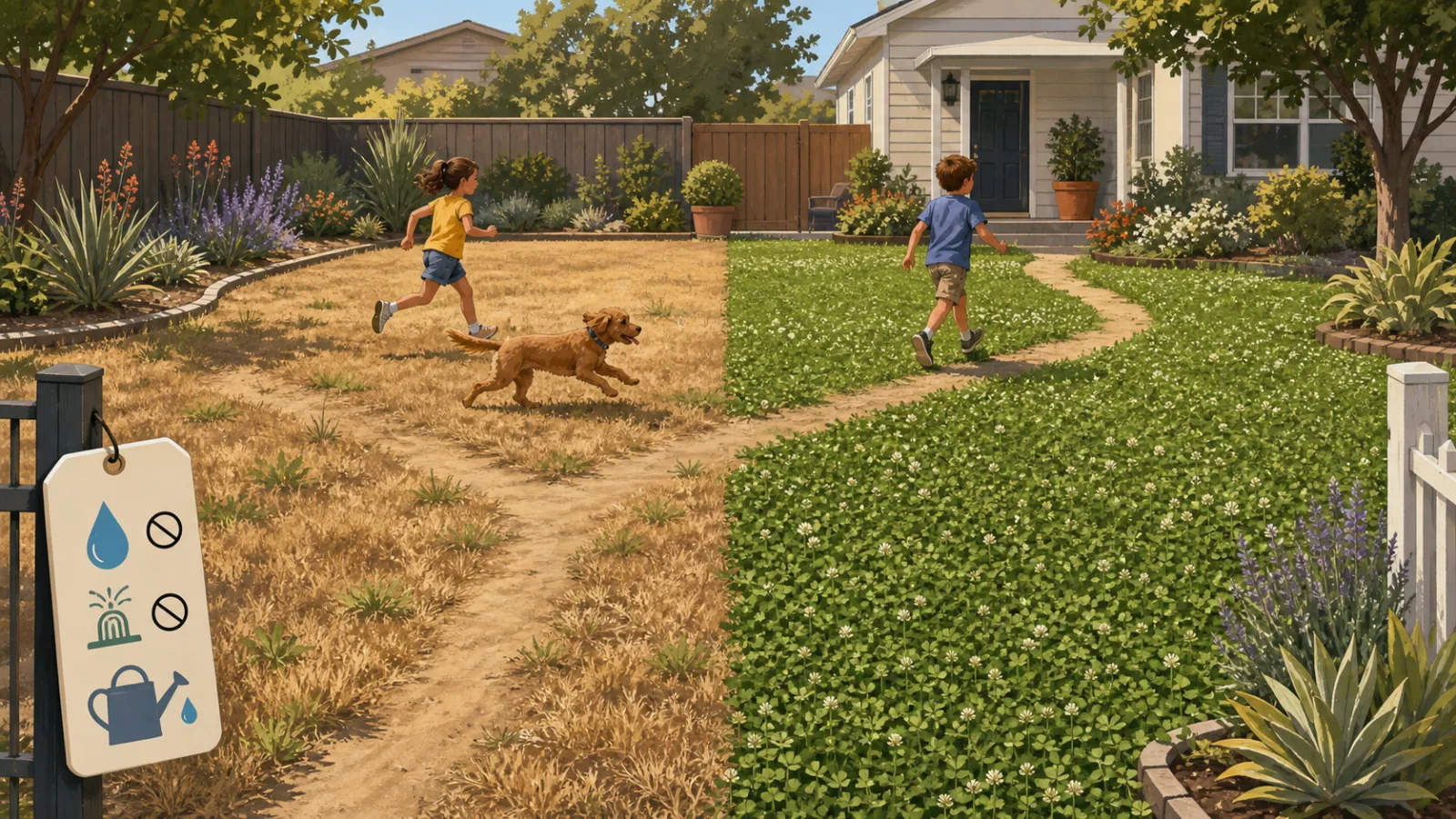
Lawns deserve a calmer summer standard. Cutting too short in heat is a self-inflicted wound. Taller grass shades its own roots, holds moisture better and competes more effectively with weeds. If household use and local rules allow it, raise the mower height during hot spells. Brown dormancy is not always death. Heavy feeding during stress can make things worse. In summer, mowing height, foot traffic and watering judgment matter more than another miracle bag from the garden aisle.
Vegetable beds punish inconsistency. Tomatoes, cucumbers, peppers and beans dislike wild swings between drought and soaking. Consistent moisture helps reduce stress and some quality problems. Trellising improves airflow. Removing diseased leaves early is better than pretending they will recover. If a spring crop has already failed, pull it and plant something heat-tolerant or quick. A garden is not a museum of guilt. It is a living system that rewards timely decisions.
Shade is a practical tool, not an admission of defeat. Temporary shade cloth, a moved patio umbrella, taller companion planting or a container shifted a few feet can prevent scorching during a heat spike. Seedlings, leafy greens, newly planted perennials and pots on paving benefit most. The goal is not to turn sun-loving plants into shade plants. It is to shave off the brutal peak while roots and leaves catch up.
The risks to watch
Soil care should be gentle in heat. Deep digging in dry weather can break structure and expose more moisture to air. Top-dressing with compost, keeping soil covered and preserving living roots are safer moves. If water runs off instead of soaking in, slow down. Several shorter passes may work better than one impatient flood. Hydrophobic dry soil often needs persuasion, not more pressure.
Pest control should begin with looking, not spraying. Aphids, caterpillars and beetles are not all equal emergencies. Some are temporary, some are food for beneficial insects, and some really do need action. Start with identification. Use hand removal, water sprays, barriers, pruning or targeted treatment when appropriate. If a pesticide is necessary, read the label, avoid bloom times and protect pollinators. Convenience is not worth turning the yard into a quiet dead zone.
A better operating routine
A late-June reset also includes subtraction. Remove dead annuals. Thin overcrowded seedlings. Cut back floppy growth where the plant responds well. Stop pouring water into plants that were bad choices for the site unless they have special value. Gardeners often spend the most effort on plants that are telling them they do not belong. Replacing one thirsty failure with a tougher plant can save the rest of the summer.
The best routine is a ten-minute morning walk. Check containers first, then new plantings, then vegetables, then the rest. Look for wilt, dry mulch, pest clusters, broken irrigation, leaning stems and finished flowers. Make one small fix immediately and write down the larger jobs. This habit keeps the garden from becoming a weekend crisis and makes problems visible while they are still cheap.
The reader takeaway
Households should also make water decisions locally. A shaded clay bed, a windy balcony, a sandy vegetable patch and a newly planted shrub border do not need the same schedule. Weather apps help, but they do not know your soil. Rainfall can miss a yard by a street. Irrigation systems can clog. The plant is the report. Learn the signs before the leaves collapse: dull color, warm soil, dry root zone, containers getting unusually light, new growth stalling.
The late-June garden reset is not about perfection. It is about removing nonsense from the routine before the hardest part of summer. Water less blindly. Mulch correctly. Keep flowers coming. Raise the mower in heat. Treat containers as high-maintenance residents. Accept that some plants were mistakes. A resilient garden rarely comes from one dramatic makeover. It comes from a series of small, observant decisions made before the damage gets loud.
A practical watering audit
Do one watering audit before changing the whole routine. Run the hose or irrigation for the usual time, wait fifteen minutes, then dig a small test hole near the root zone. If only the surface is wet, the schedule is theatre. If water is pooling or running off, slow the flow and water in pulses. If one bed is damp and another is dry, stop treating the yard as one unit. This small test often saves more water than a new gadget because it replaces guessing with evidence.
When to stop saving a plant
There is no shame in removing a plant that cannot handle the site. The expensive mistake is keeping it alive with constant rescue while tougher plants nearby get neglected. A shrub that needs daily water in a dry corner, a container that wilts every afternoon, or an annual that collapses after one hot week is giving information. Sometimes the right move is shade, repotting or deeper watering. Sometimes the right move is compost. Gardeners improve faster when they accept both possibilities.
The pollinator edge case
Pollinator advice can become vague quickly, so make it observable. Walk the garden at two different times of day and note which flowers actually have visitors. Look for gaps in bloom, not only variety in plant labels. Avoid treating double-flowered ornamentals as automatically useful; some offer little accessible pollen or nectar. Leave a little shelter, avoid unnecessary pesticides, and keep water shallow if you provide it. The goal is a working habitat strip, not a decorative claim.
Heat planning for ordinary households
Most households cannot redesign the yard in a weekend. That is fine. Choose the stress points: new plantings, containers, vegetables, young trees and the hottest exposed beds. Give those areas the most attention. Older established plants can often tolerate more than anxious owners expect. A triage mindset prevents the classic summer mistake of spreading effort so thin that everything gets a little help and nothing gets enough.
The irrigation check most people skip
If you use drip line or sprinklers, watch the system run once a month instead of assuming it works. Look for clogged emitters, overspray onto paving, broken heads, dry corners, washed-out mulch and plants blocking the spray pattern. A timer can make mistakes faithfully every day. The point of automation is not to stop observing the garden. It is to make the routine consistent after a human has checked that the routine still matches reality.
What to record for next summer
Keep a short note of what failed, what survived and where water disappeared fastest. Write down the plants that needed constant rescue, the containers that overheated, the beds where mulch worked, and the flowers that actually drew insects. This is not sentimental journaling. It is cheap design data. Next year, those notes will help you buy fewer wrong plants, place containers more intelligently and start the hot season with fewer avoidable mistakes. The note can be messy; the value is remembering what the heat already taught you.
Related articles
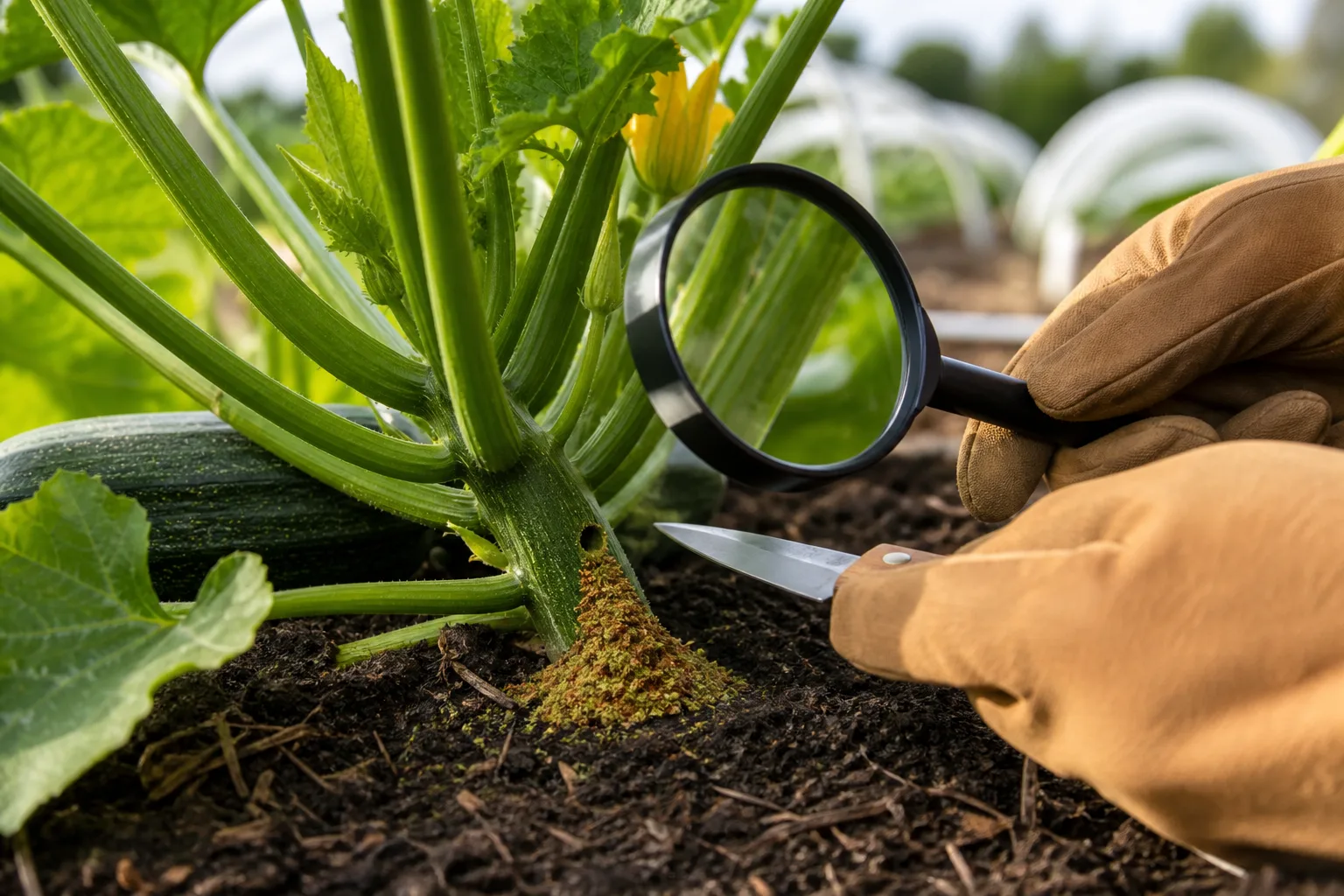
When a zucchini wilts overnight: how to spot squash vine borer before the stem is gone
A practical late-summer guide to diagnosing squash vine borer, deciding whether to rescue a plant, and planning prevention without harming pollinators.
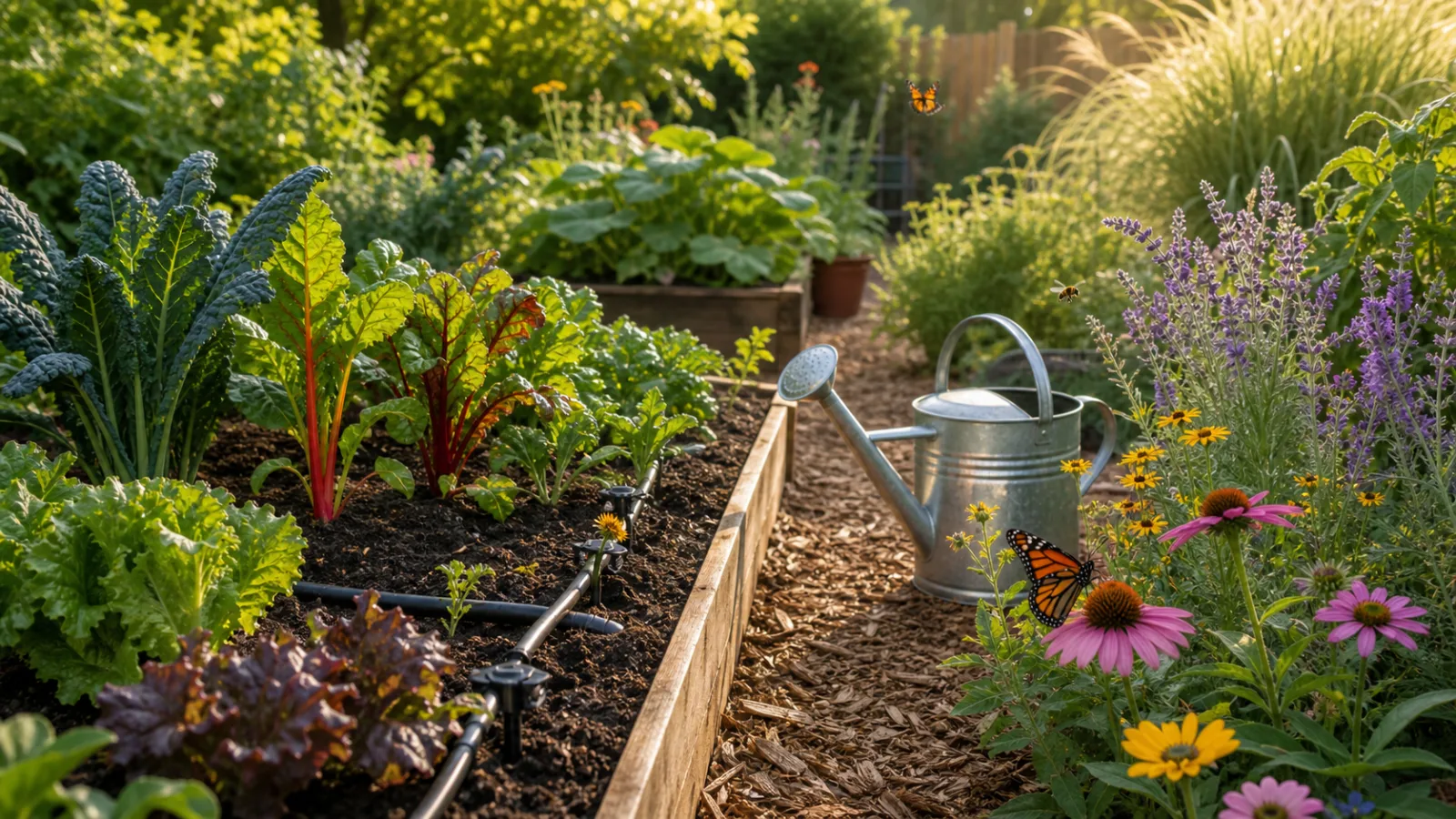
The June yard reset: water less blindly, mulch better, and give pollinators a reason to stay
A practical summer garden plan for hot weeks: deeper watering, mulch, shade judgment, soil care and pollinator-friendly choices.
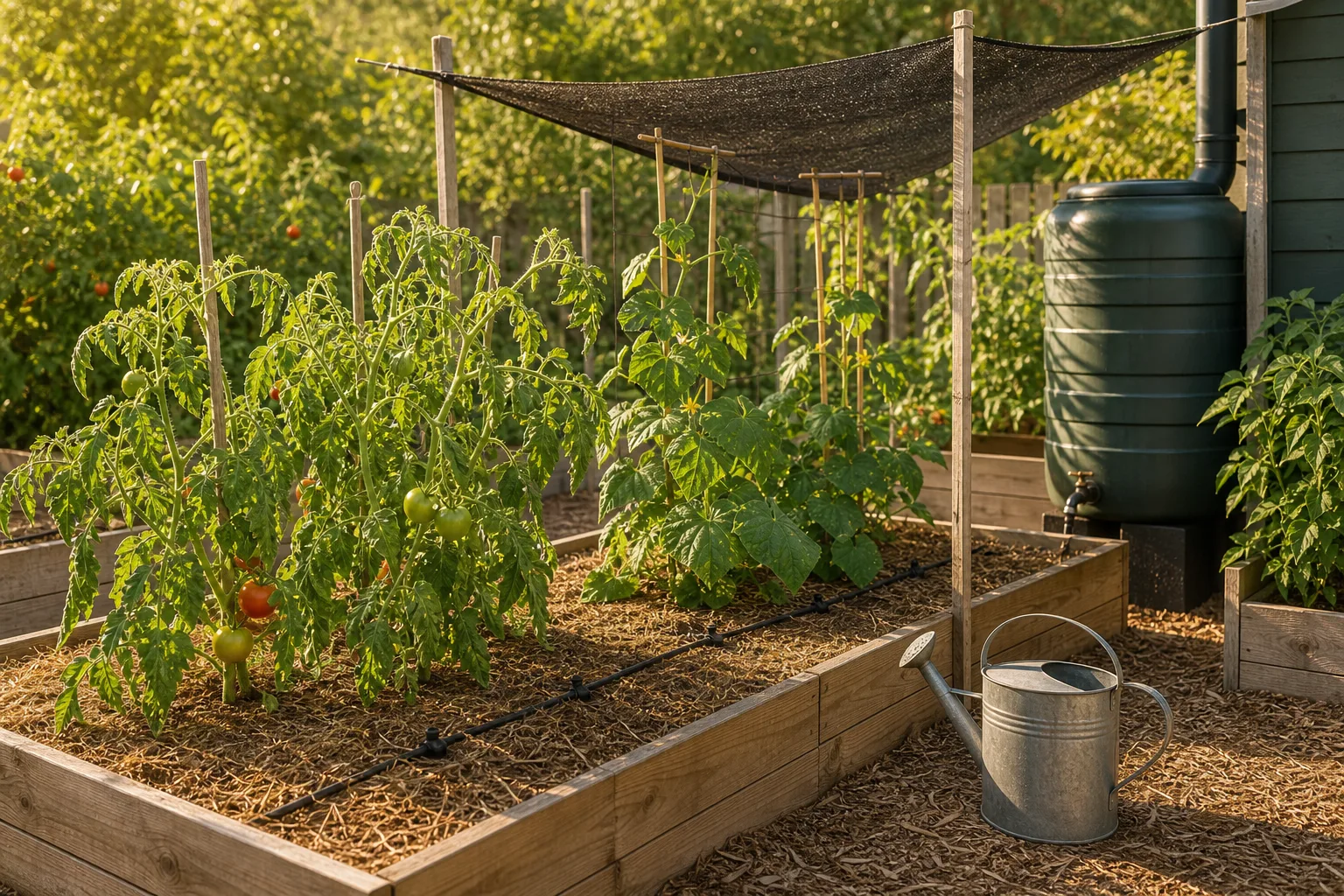
Your garden needs a water budget before the next heatwave
When drought rules limit outdoor watering, the safest garden plan is not watering everything. It is choosing what must survive first.
Microclover lawns can beat the heat. They can also be the wrong answer
A viral clover patch stayed green under drought limits, but the practical lesson is not “plant clover everywhere.” Start with region, species, water, traffic and rules.
Comments
Sign in to comment.
No comments yet.