The June yard reset: water less blindly, mulch better, and give pollinators a reason to stay
A practical summer garden plan for hot weeks: deeper watering, mulch, shade judgment, soil care and pollinator-friendly choices.

Late June is when a yard starts telling the truth. Spring optimism is gone, the first hot spells have arrived, and every weak habit shows up at once: shallow watering, bare soil, crowded containers, stressed lawns and flowers that looked wonderful for two weeks before collapsing into a tired patch of green. The answer is not to panic-buy more plants. The answer is to reset the routine.
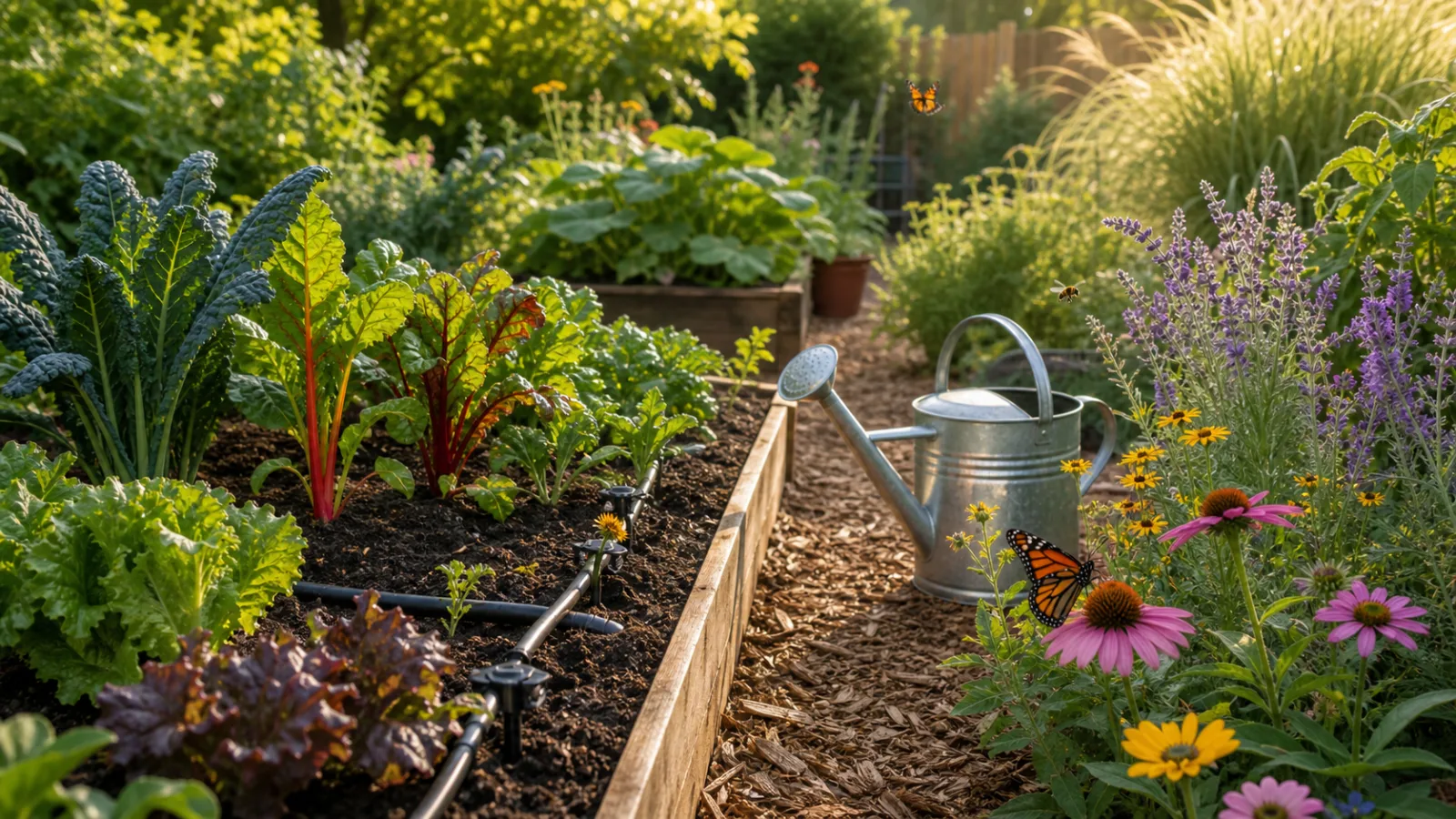
Recent summer gardening guidance from practical garden outlets, the Royal Horticultural Society and university extension services keeps circling back to the same basics: water deeply, protect soil, reduce stress before plants wilt, and give pollinators more than one brief burst of bloom. It is not glamorous advice. It works because heat and dry spells punish inconsistency more than they punish imperfect design.
What changed this week
Start with watering because it is the easiest place to waste effort. A daily splash on the surface trains roots to stay shallow and leaves the gardener feeling busy without doing much good. Most established beds prefer deeper, less frequent watering that reaches the root zone. Containers are different because they dry faster, especially dark pots, hanging baskets and planters exposed to wind. The useful habit is checking moisture with a finger or trowel before reaching for the hose.
Morning watering is usually the least dramatic and most forgiving choice. The soil can absorb moisture before the hottest part of the day, leaves dry faster, and the gardener can spot problems before heat stress becomes severe. Evening watering can be useful in a heatwave, especially for containers, but it should not leave foliage wet all night if fungal problems are already present. The point is not a rigid rule. The point is paying attention to plant stress rather than watering by guilt.
The practical problem underneath
Mulch is the second reset, and it is where many yards get a cheap win. Bare soil heats quickly, loses moisture and invites weeds. A sensible layer of organic mulch moderates temperature, slows evaporation and gradually improves soil structure as it breaks down. Keep mulch away from stems and trunks; the volcano pile around a shrub or tree is not care, it is a slow invitation to rot and pests.
Pollinators need continuity. A garden that feeds bees and butterflies for one spectacular week in June and then offers nothing is more decorative than useful. The practical plan is succession: early bloomers, midsummer workhorses and late-season flowers. Native plants are often strong choices because local insects recognize them and they tend to fit the climate better, but the exact plant list should follow the region, sunlight and soil rather than a social-media trend.
Lawns deserve a calmer conversation too. In hot weather, cutting too short is a common self-inflicted wound. Taller grass shades its own roots and holds moisture better. If local rules and household needs allow it, raising the mower height during heat is usually smarter than chasing a golf-course look. Brown summer dormancy is not always death. Heavy feeding during stress can make things worse. Watering, mowing height and foot traffic matter more than another quick product.
Where teams and households usually waste effort
Containers need their own inspection round. A pot that was generous in May may be cramped by late June. Roots fill the space, the mix dries quickly and nutrients run out faster than in a bed. Move vulnerable containers out of harsh afternoon sun, group pots to reduce wind exposure, refresh the top layer of mix if it has crusted, and feed according to the plant rather than the calendar. A container garden is closer to a pet than a landscape: it needs regular checks.
Vegetable beds benefit from the same reset. Tomatoes, peppers, cucumbers and beans do not want wild swings between drought and soaking. Consistent moisture reduces stress and can prevent some quality problems. Trellising improves airflow. Removing diseased leaves early is better than pretending they will recover. If a crop has already failed, replanting a heat-tolerant quick crop can be more satisfying than nursing a doomed spring leftover.
Soil care in June should be gentle. Deep digging in hot, dry weather can break structure and expose more moisture to the air. Top-dressing with compost, using mulch, and keeping living roots in the soil where possible are safer moves. If the ground has become hydrophobic and water runs off, slow the watering down. Several shorter passes can let moisture enter instead of sliding away.
A calmer operating routine
Pest control should begin with observation, not spraying. Many insects are temporary visitors or part of the food web. Aphids, for example, may attract lady beetles and lacewings if the gardener does not immediately flatten the whole ecosystem. Hand removal, water sprays, barriers and targeted action often solve more problems than broad treatments. If a pesticide is necessary, read the label, avoid bloom times and protect pollinators. Convenience is not worth turning the garden into a dead zone.
Shade is becoming a practical tool. Temporary shade cloth, a moved patio umbrella, taller companion planting or a relocated container can prevent scorching during a heat spike. This is especially useful for seedlings, leafy greens, newly planted perennials and containers on paving. The goal is not to turn sun plants into shade plants. It is to reduce peak stress while roots catch up.
What to watch next
A good June reset also includes subtraction. Remove dead annuals, thin overcrowded seedlings, cut back floppy growth where appropriate, and stop watering plants that were poor choices for the site unless they have special value. Gardeners often spend the most effort on plants that are telling them they do not belong. Replacing one thirsty failure with a tougher, better-sited plant can save months of irritation.
The most useful routine is a ten-minute morning walk. Check containers first, then new plantings, then vegetables, then the rest. Look for wilt, dry mulch, pest clusters, broken irrigation, leaning stems and flowers that have finished. Make one small fix immediately. Put larger jobs on a list. This keeps the garden from becoming a weekend emergency and makes problems visible while they are still small.
The useful takeaway
The June yard reset is not about perfection. It is about making the outdoor space more resilient before the hardest part of summer. Water less blindly. Cover the soil. Keep flowers coming for pollinators. Cut the lawn a little higher. Give containers more attention than borders. Accept that some plants were mistakes. A garden that survives summer well is rarely the one with the most dramatic makeover. It is the one with the least nonsense in its routine.
Editor's field notes 1
The reason this detail deserves space is that routines fail at the edges. People remember the big rule and forget the small condition: who owns the task, what happens when the owner is away, how the result is checked, and when an exception expires. A useful plan names those edges instead of pretending they will be handled by common sense. Common sense is often just undocumented labor.
This is also why the article avoids grand promises. The useful work is specific, testable and slightly uncomfortable. It asks for a real owner, a real calendar reminder, a real check after the change, and a real decision about what to stop doing. That is where the benefit appears: fewer surprises, less waste, and a reader who can act without buying into a fantasy.
A reader should be able to turn the piece into a checklist without losing the argument. If the advice cannot survive contact with a calendar, a budget, a tired employee or a hot afternoon outside, it is not advice yet. It is decoration. The better test is whether the next small decision becomes easier after reading.
Editor's field notes 2
The reason this detail deserves space is that routines fail at the edges. People remember the big rule and forget the small condition: who owns the task, what happens when the owner is away, how the result is checked, and when an exception expires. A useful plan names those edges instead of pretending they will be handled by common sense. Common sense is often just undocumented labor.
This is also why the article avoids grand promises. The useful work is specific, testable and slightly uncomfortable. It asks for a real owner, a real calendar reminder, a real check after the change, and a real decision about what to stop doing. That is where the benefit appears: fewer surprises, less waste, and a reader who can act without buying into a fantasy.
A reader should be able to turn the piece into a checklist without losing the argument. If the advice cannot survive contact with a calendar, a budget, a tired employee or a hot afternoon outside, it is not advice yet. It is decoration. The better test is whether the next small decision becomes easier after reading.
Editor's field notes 3
The reason this detail deserves space is that routines fail at the edges. People remember the big rule and forget the small condition: who owns the task, what happens when the owner is away, how the result is checked, and when an exception expires. A useful plan names those edges instead of pretending they will be handled by common sense. Common sense is often just undocumented labor.
This is also why the article avoids grand promises. The useful work is specific, testable and slightly uncomfortable. It asks for a real owner, a real calendar reminder, a real check after the change, and a real decision about what to stop doing. That is where the benefit appears: fewer surprises, less waste, and a reader who can act without buying into a fantasy.
A reader should be able to turn the piece into a checklist without losing the argument. If the advice cannot survive contact with a calendar, a budget, a tired employee or a hot afternoon outside, it is not advice yet. It is decoration. The better test is whether the next small decision becomes easier after reading.
Editor's field notes 4
The reason this detail deserves space is that routines fail at the edges. People remember the big rule and forget the small condition: who owns the task, what happens when the owner is away, how the result is checked, and when an exception expires. A useful plan names those edges instead of pretending they will be handled by common sense. Common sense is often just undocumented labor.
This is also why the article avoids grand promises. The useful work is specific, testable and slightly uncomfortable. It asks for a real owner, a real calendar reminder, a real check after the change, and a real decision about what to stop doing. That is where the benefit appears: fewer surprises, less waste, and a reader who can act without buying into a fantasy.
A reader should be able to turn the piece into a checklist without losing the argument. If the advice cannot survive contact with a calendar, a budget, a tired employee or a hot afternoon outside, it is not advice yet. It is decoration. The better test is whether the next small decision becomes easier after reading.
Related articles
The late-June garden reset: water by evidence, mulch for heat, plant for insects
A practical late-June garden guide for watering by evidence, mulching correctly, protecting containers and keeping pollinators fed.
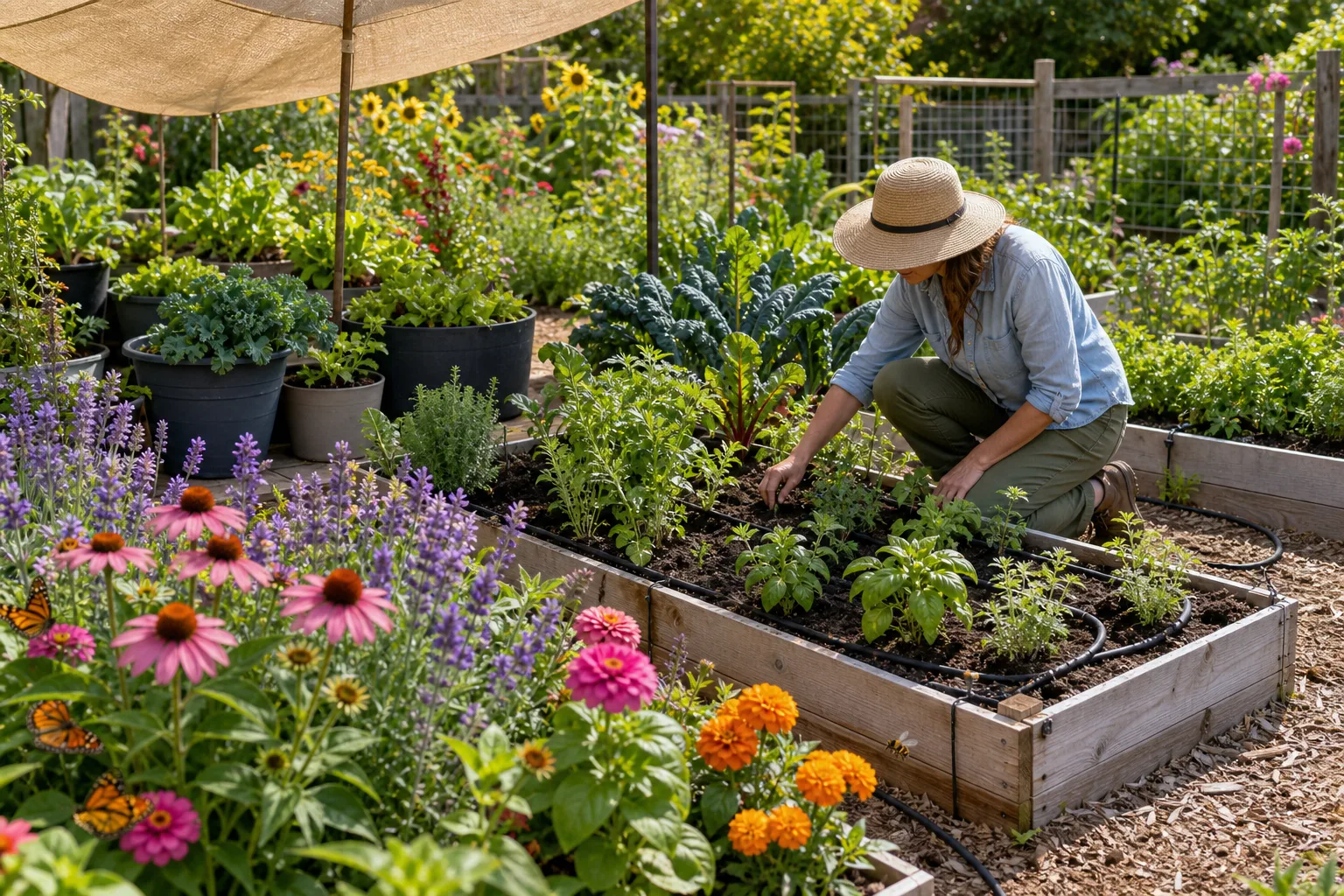
Your garden needs a water budget before the next heatwave
When drought rules limit outdoor watering, the safest garden plan is not watering everything. It is choosing what must survive first.
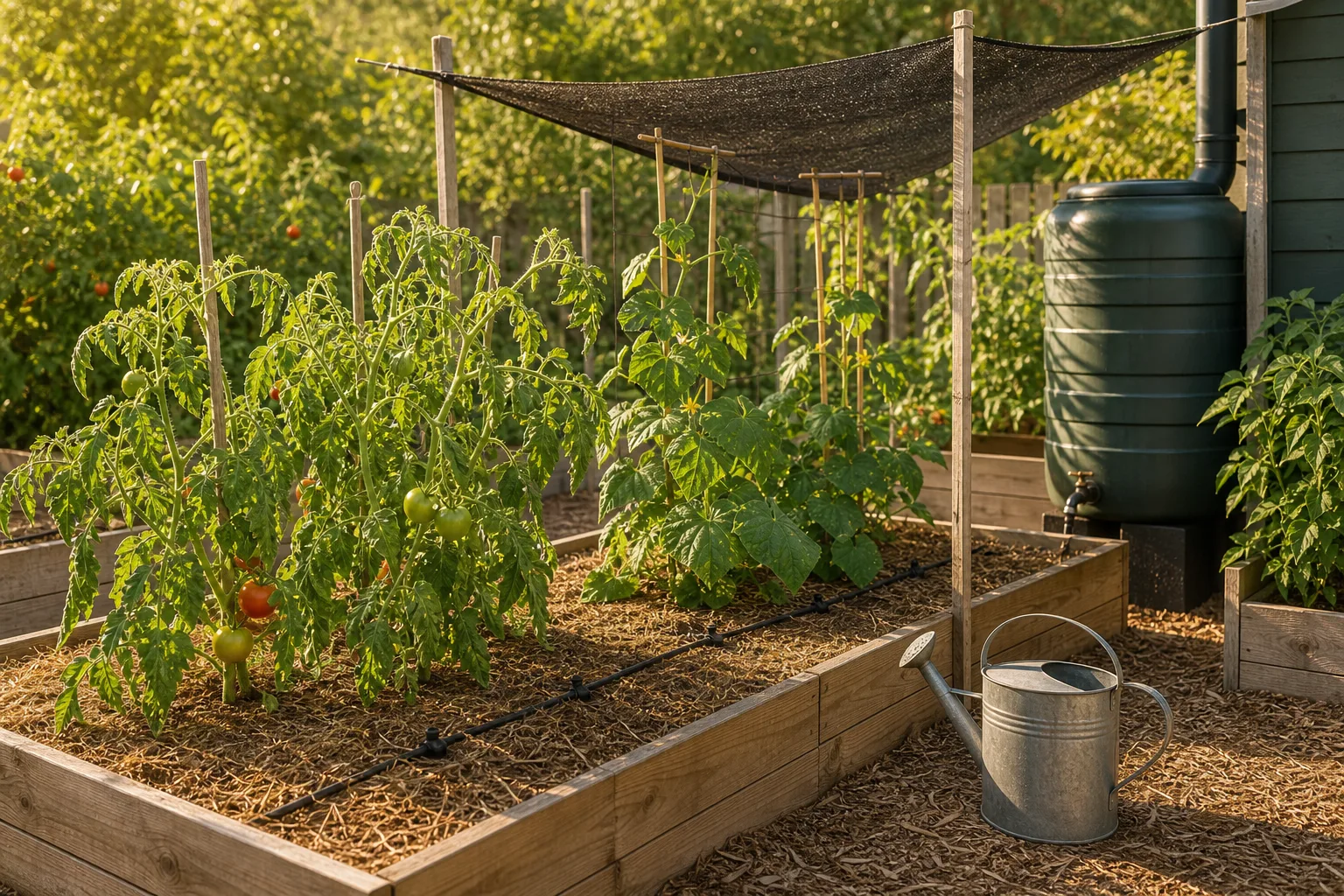
Microclover lawns can beat the heat. They can also be the wrong answer
A viral clover patch stayed green under drought limits, but the practical lesson is not “plant clover everywhere.” Start with region, species, water, traffic and rules.
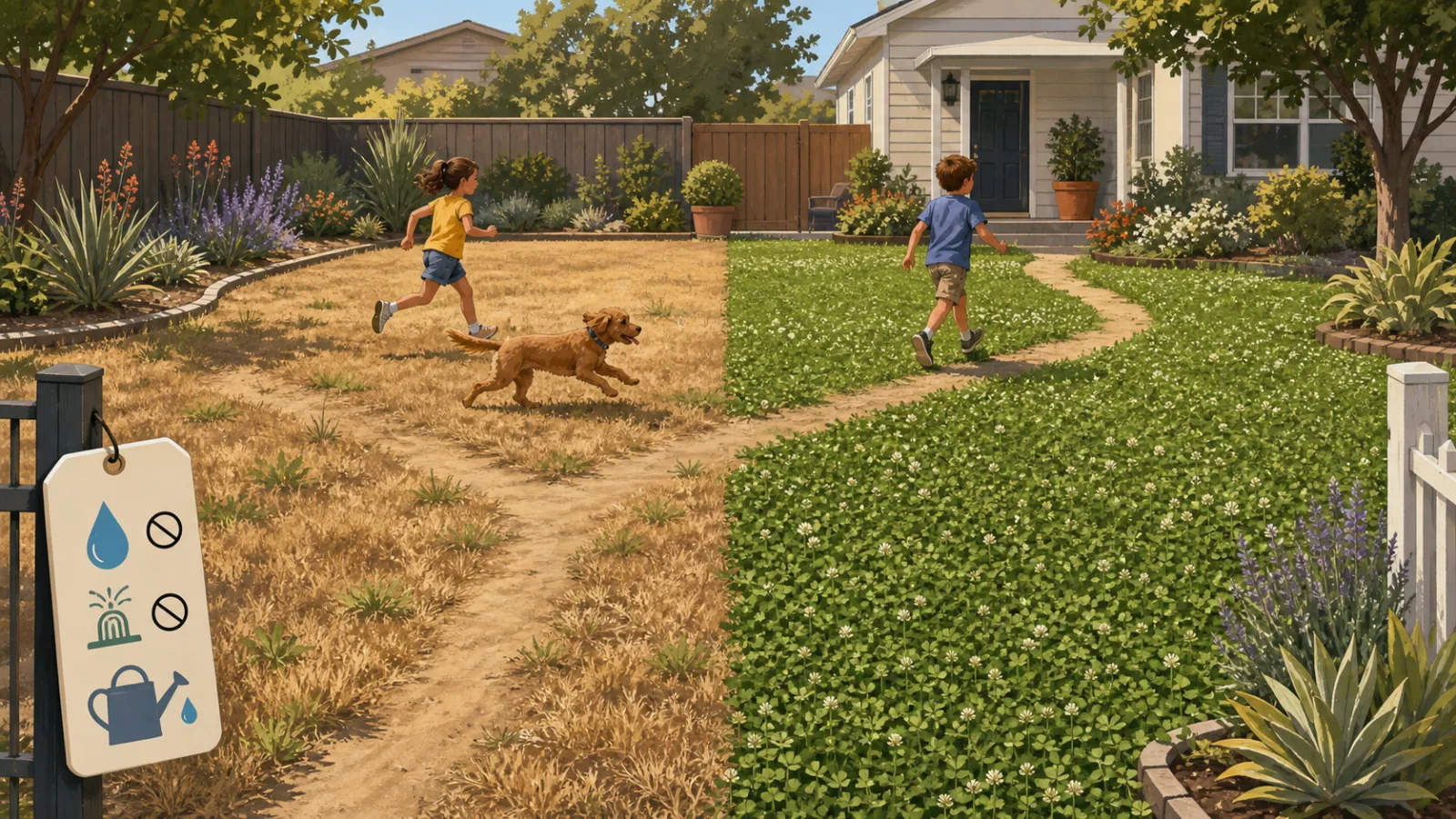
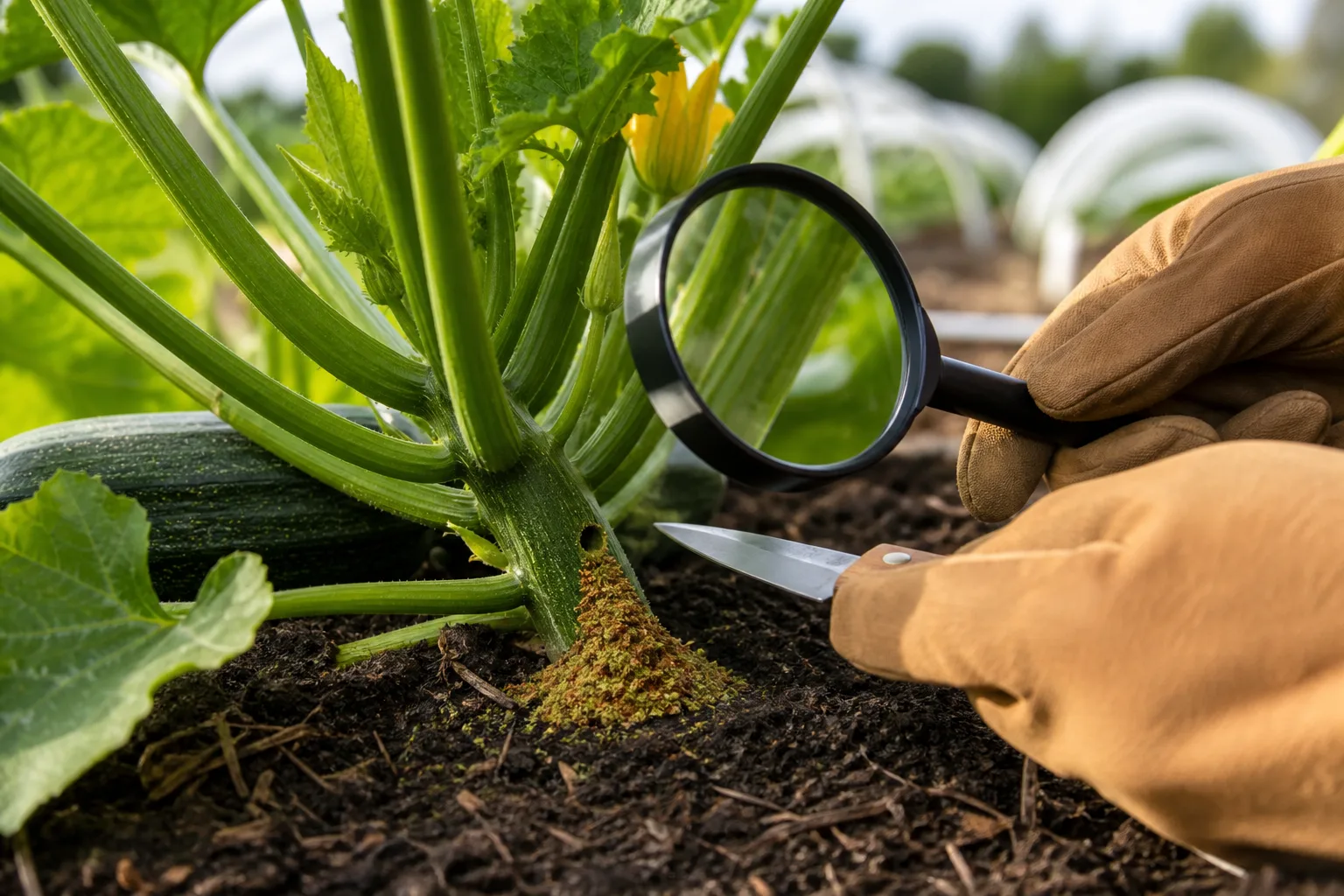
When a zucchini wilts overnight: how to spot squash vine borer before the stem is gone
A practical late-summer guide to diagnosing squash vine borer, deciding whether to rescue a plant, and planning prevention without harming pollinators.
Comments
Sign in to comment.
No comments yet.