

Garden and Yard
Practical material for gardens, country houses, and yards: seasonal tasks, tools, plants, irrigation automation, greenhouses, and time-saving solutions.
Latest publications
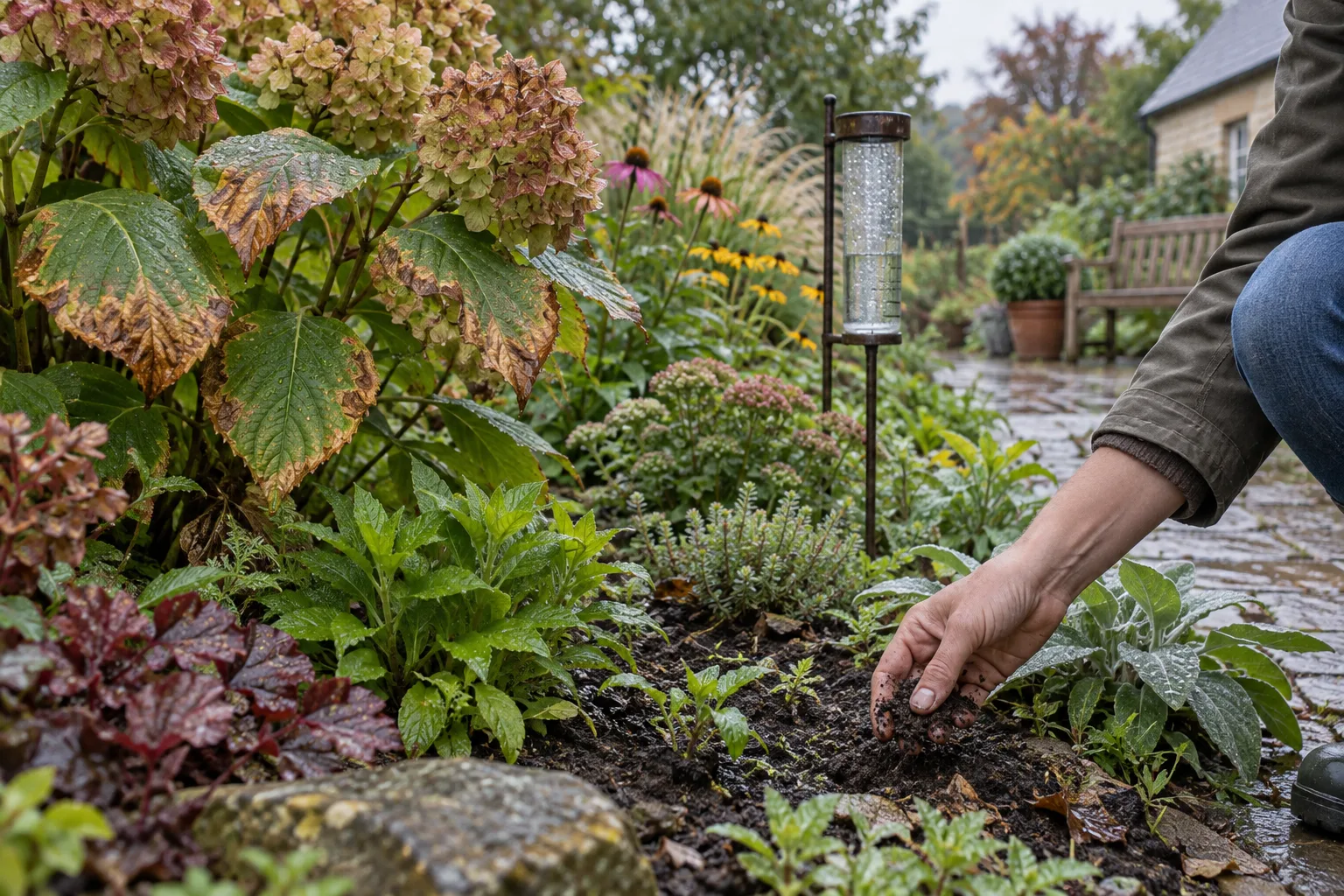
After a Hot, Dry Summer: A Practical Recovery Plan for Heat-Stressed Garden Plants
The first rain after a brutal dry spell is not a signal to prune, fertilize, and replant everything. Use a staged recovery check to decide what needs water, what needs time, and what should be replaced.
Empty Vegetable Beds in September Need a Cover Crop, Not Bare Soil
A practical September guide to choosing oats, rye, clover, radish or a simple mulch for empty vegetable beds, with timing, rates, watering and spring termination caveats.

Fall Planting After a Hot Summer: How to Establish Trees and Shrubs Without Wasting Water
Early fall can be a better planting window than spring, but only if the soil, root ball and watering plan are ready. This practical checklist covers what to plant, what to postpone, how to water, and which common shortcuts quietly kill new plants.
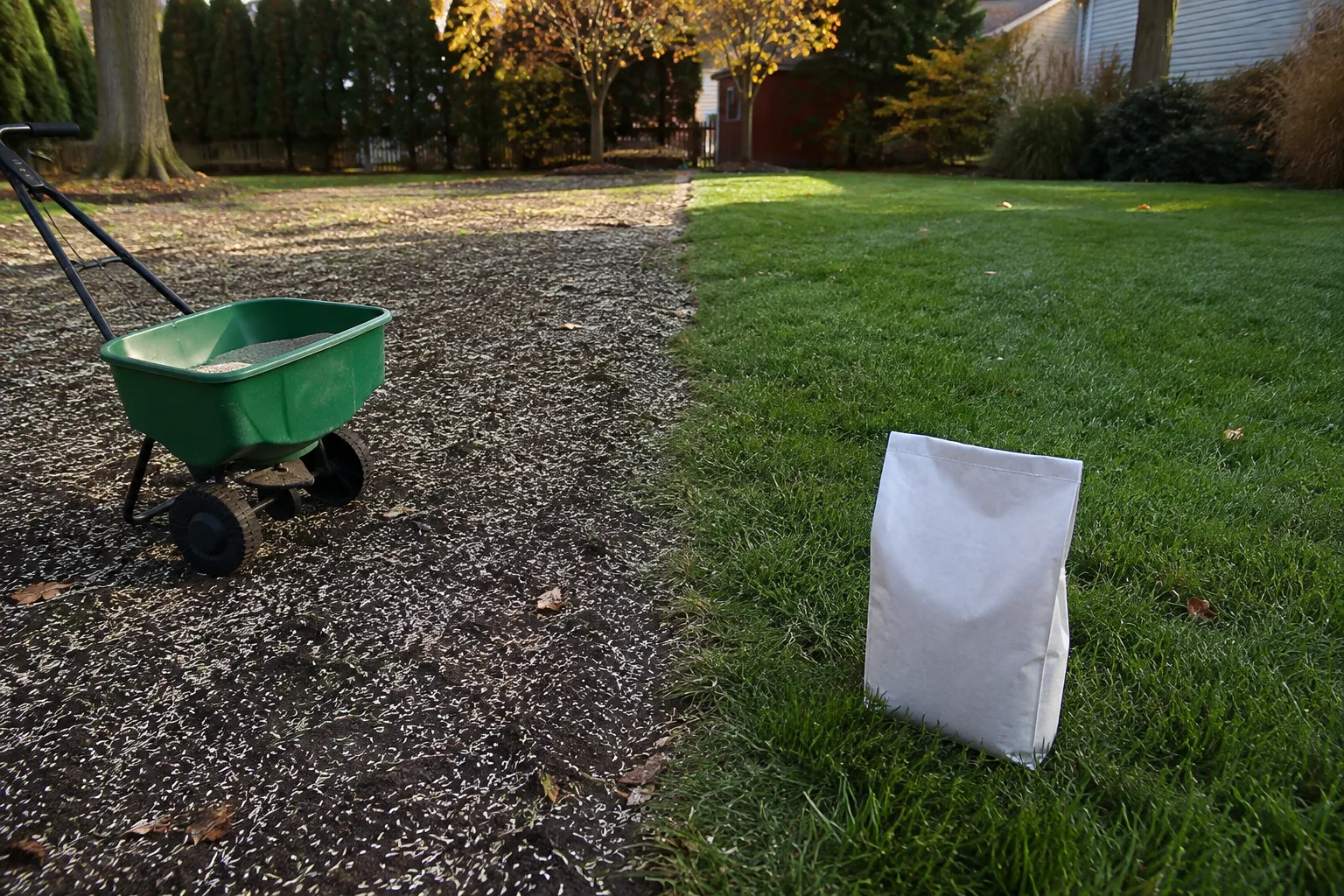
September Lawn Care: Seed Thin Turf or Prevent Winter Weeds?
Early autumn can favor both cool-season lawn repair and winter-weed prevention, but the two jobs may conflict. Use turf type, weed identity, local timing and the product label to choose the priority before spending seed, water or treatment.
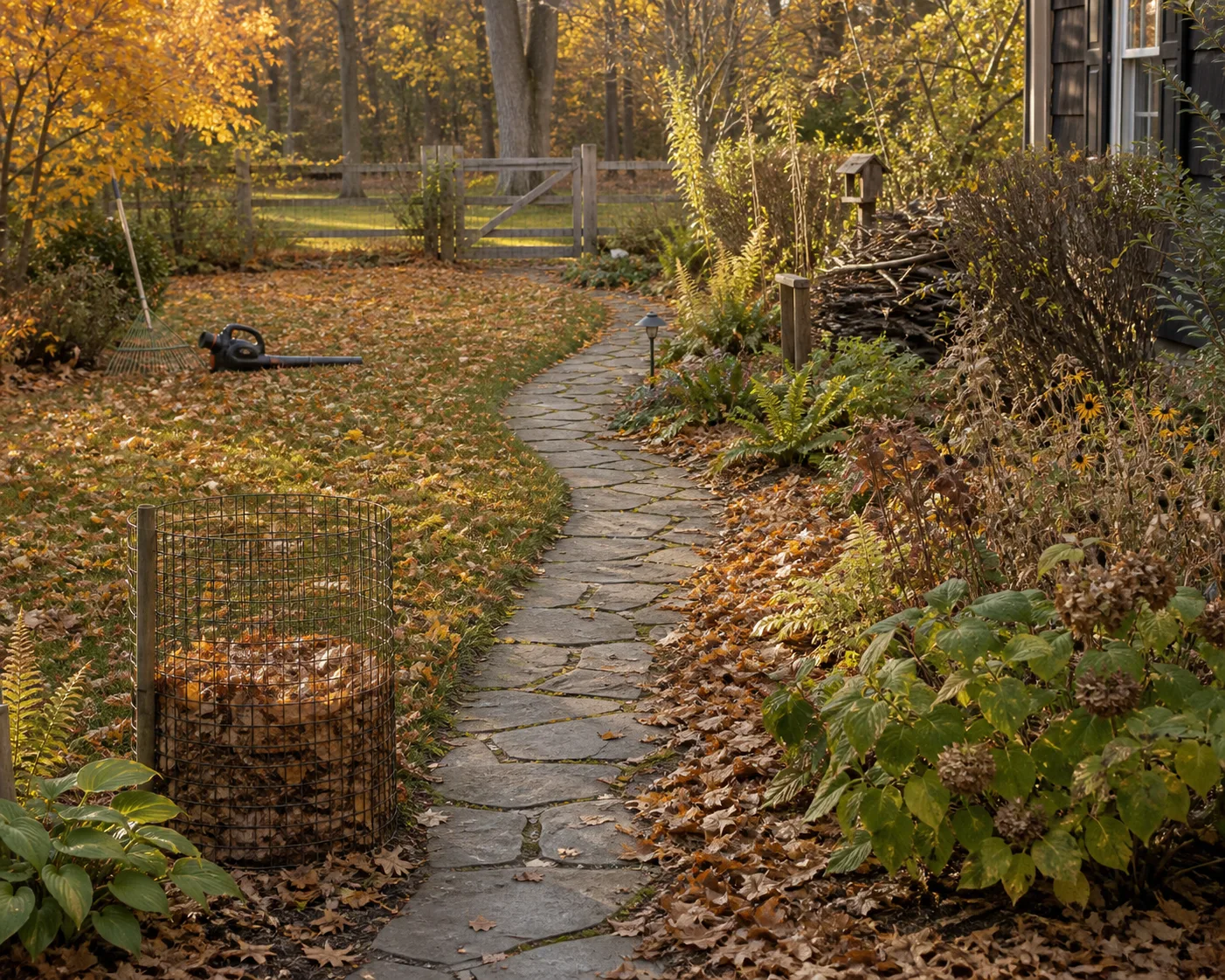
Do not rake every leaf: a practical fall cleanup plan for lawns, beds and pollinators
The best autumn yard cleanup is not total removal or total neglect. Zone the yard so leaves feed soil where they help and move them where they cause damage.
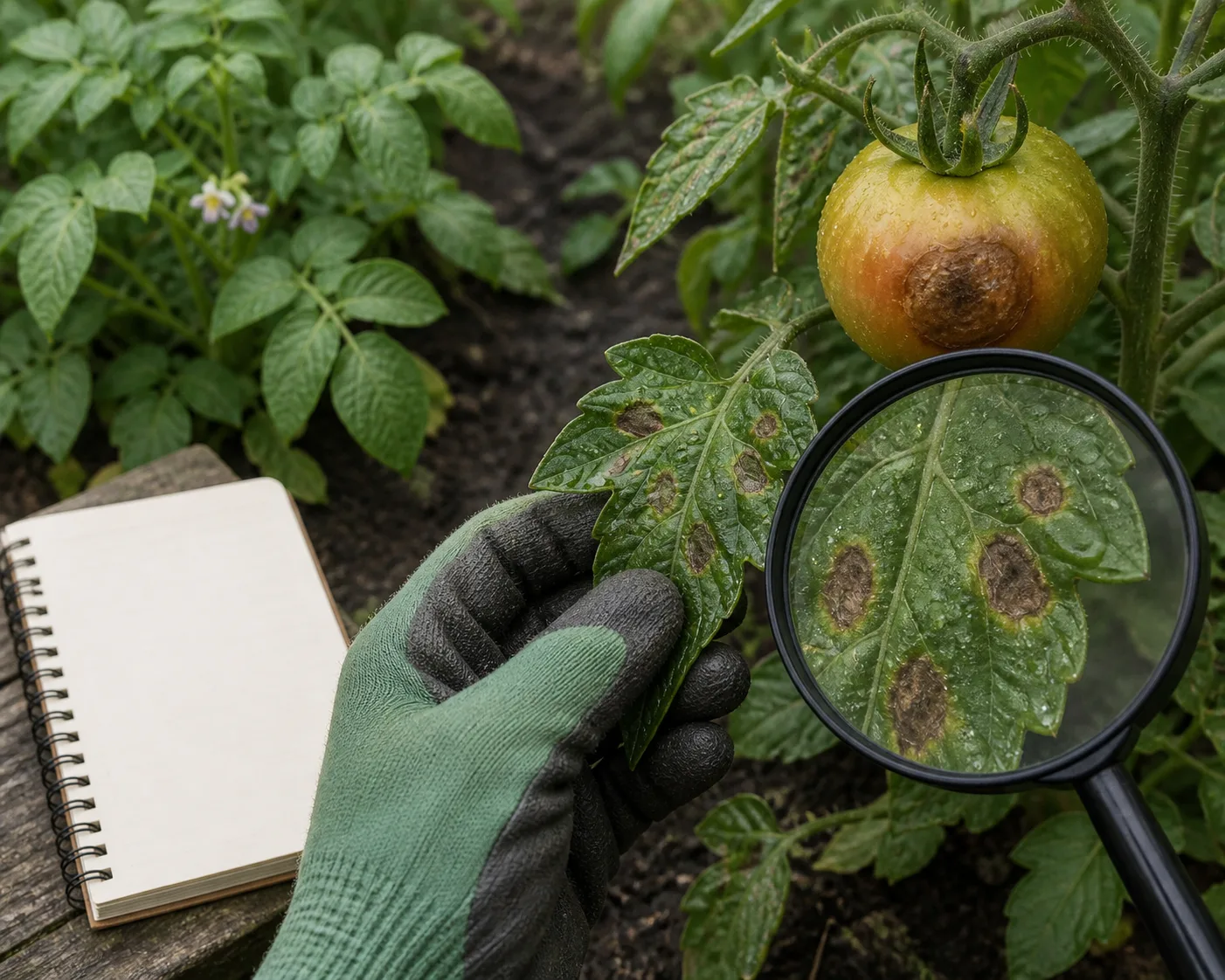
Late blight turns one tomato plant into a neighbourhood problem
Confirmed regional alerts change the home-garden response: diagnose carefully, check local disease reports, and remove truly infected tomatoes or potatoes before they spread spores.
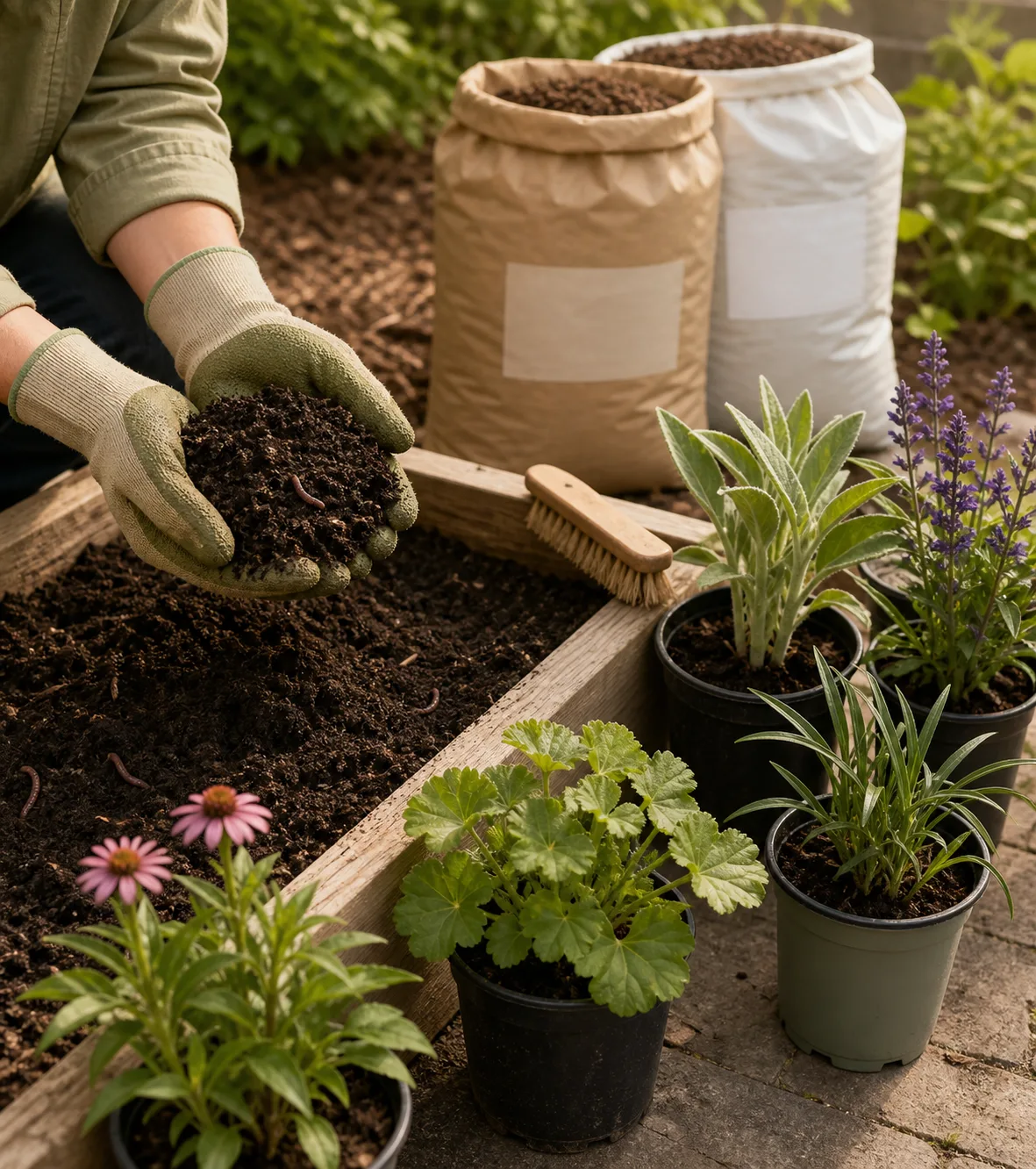
Jumping worms make plant swaps and compost a garden biosecurity problem
Late summer is the season to spot invasive jumping worms, but the real work is deciding what soil, mulch and plants should not move.
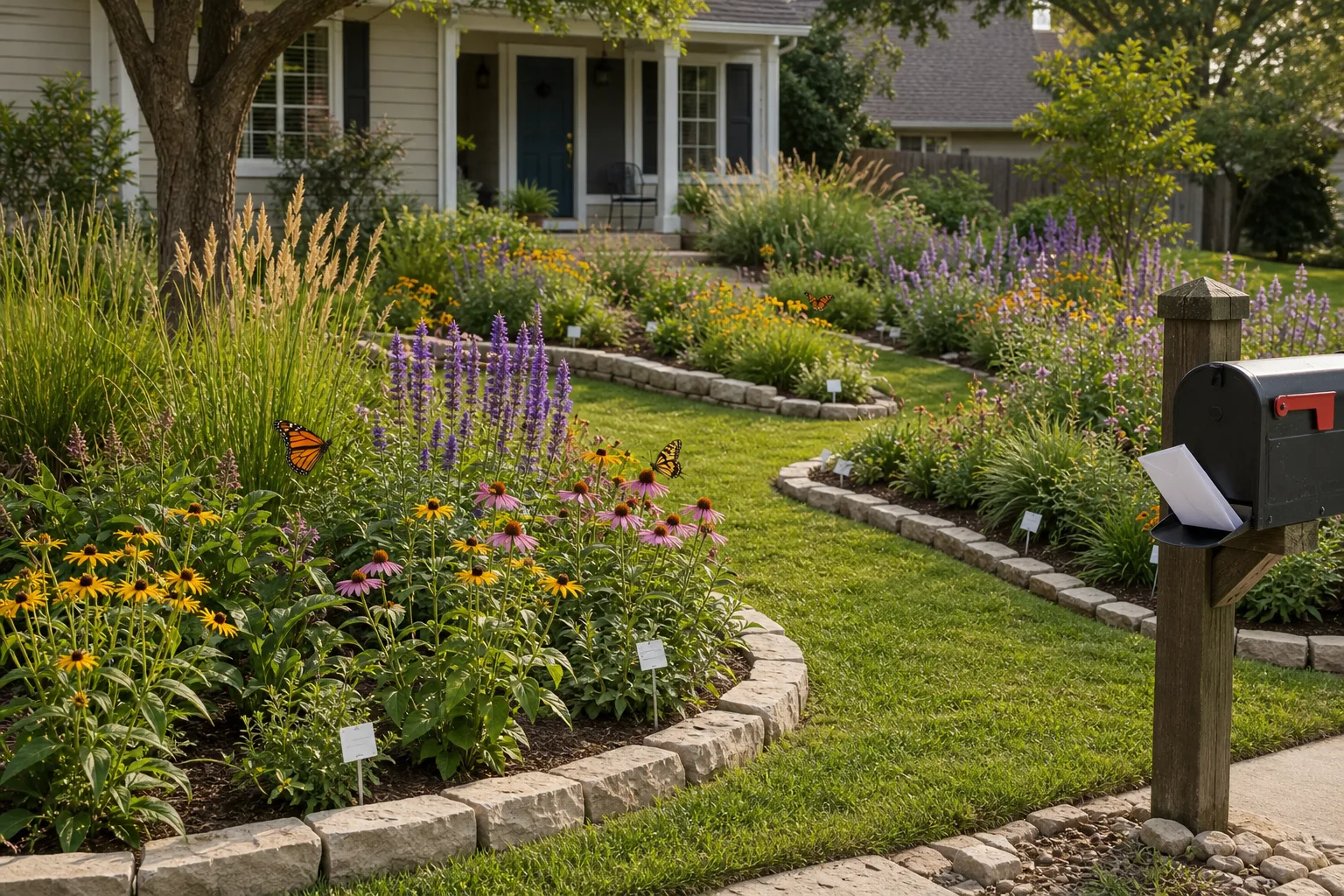
When an HOA calls native plants weeds, design is your best defense
A native or drought-wise yard can save water and feed pollinators, but it still has to read as maintained. Here is how to plan, document and defend a living yard before a fine arrives.
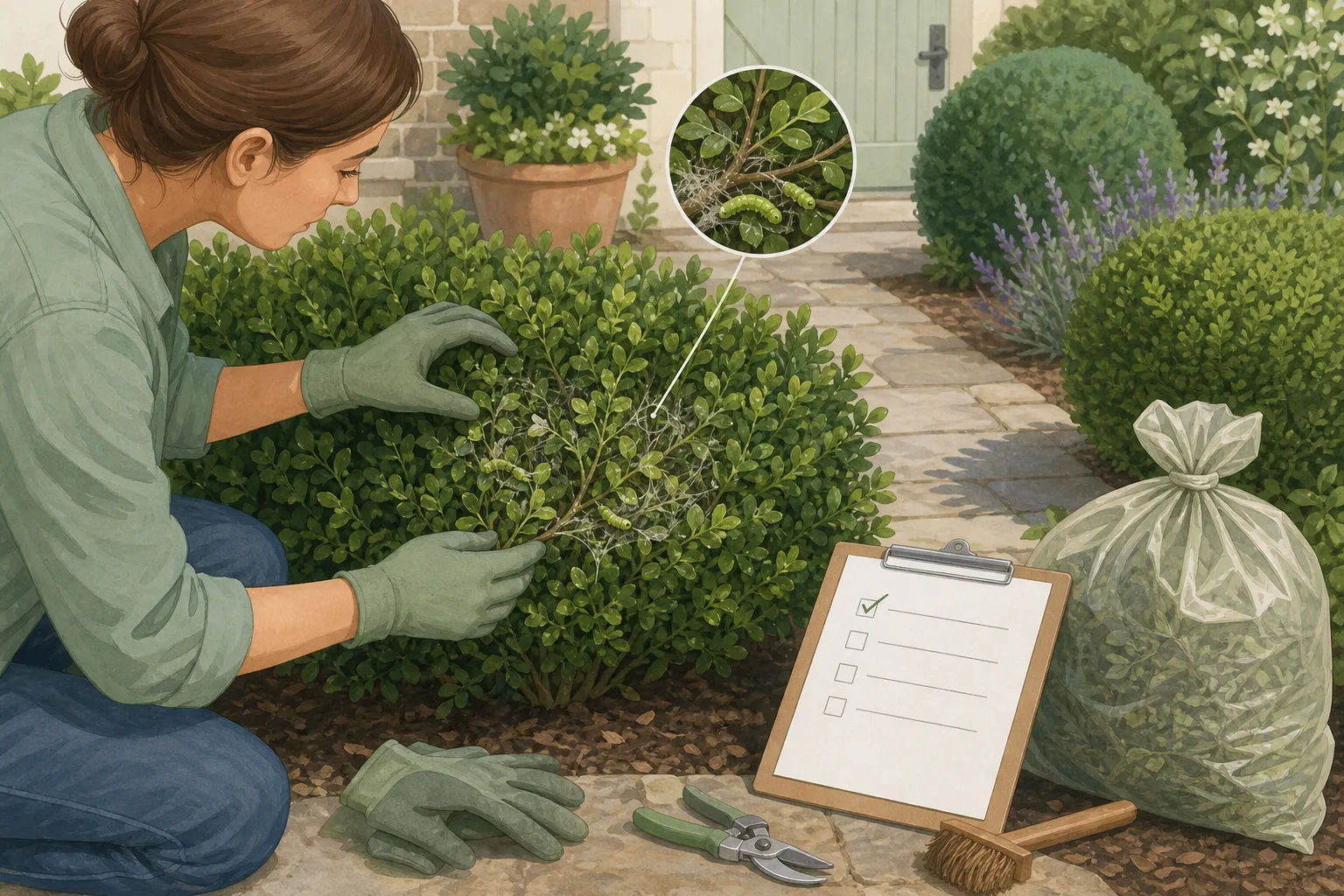
Box tree moth: what to do in the first 48 hours when boxwoods turn brown
A brown boxwood hedge is not always drought scorch. Check inside the plant, isolate clippings, follow local reporting rules and decide quickly whether to treat or replace.
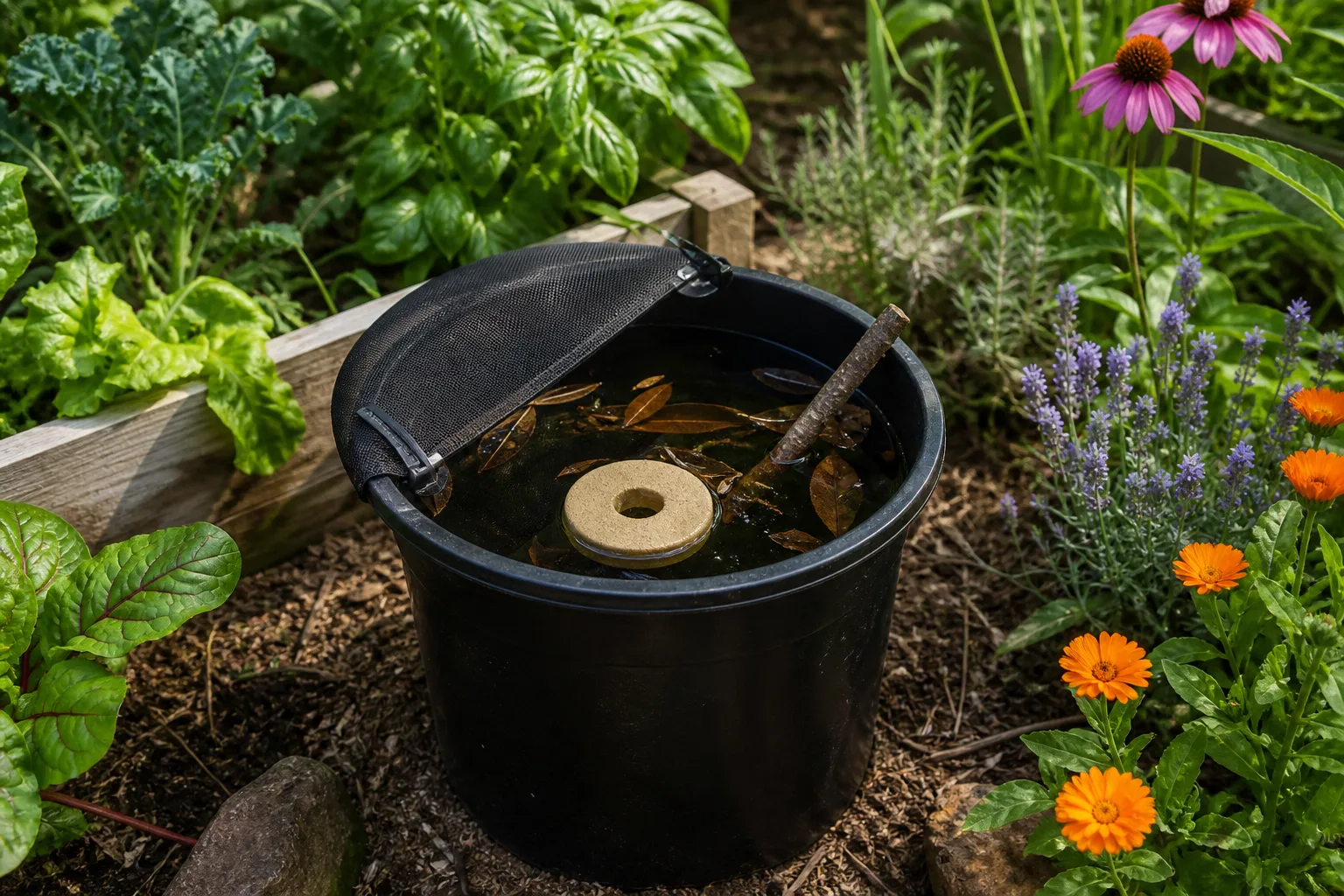
Mosquito bucket of doom: when a Bti bucket helps the garden, and when it is just standing water
A practical look at the viral Bti bucket: how it interrupts mosquito larvae, why it does not repel adults, and how to use it without creating a new hazard.
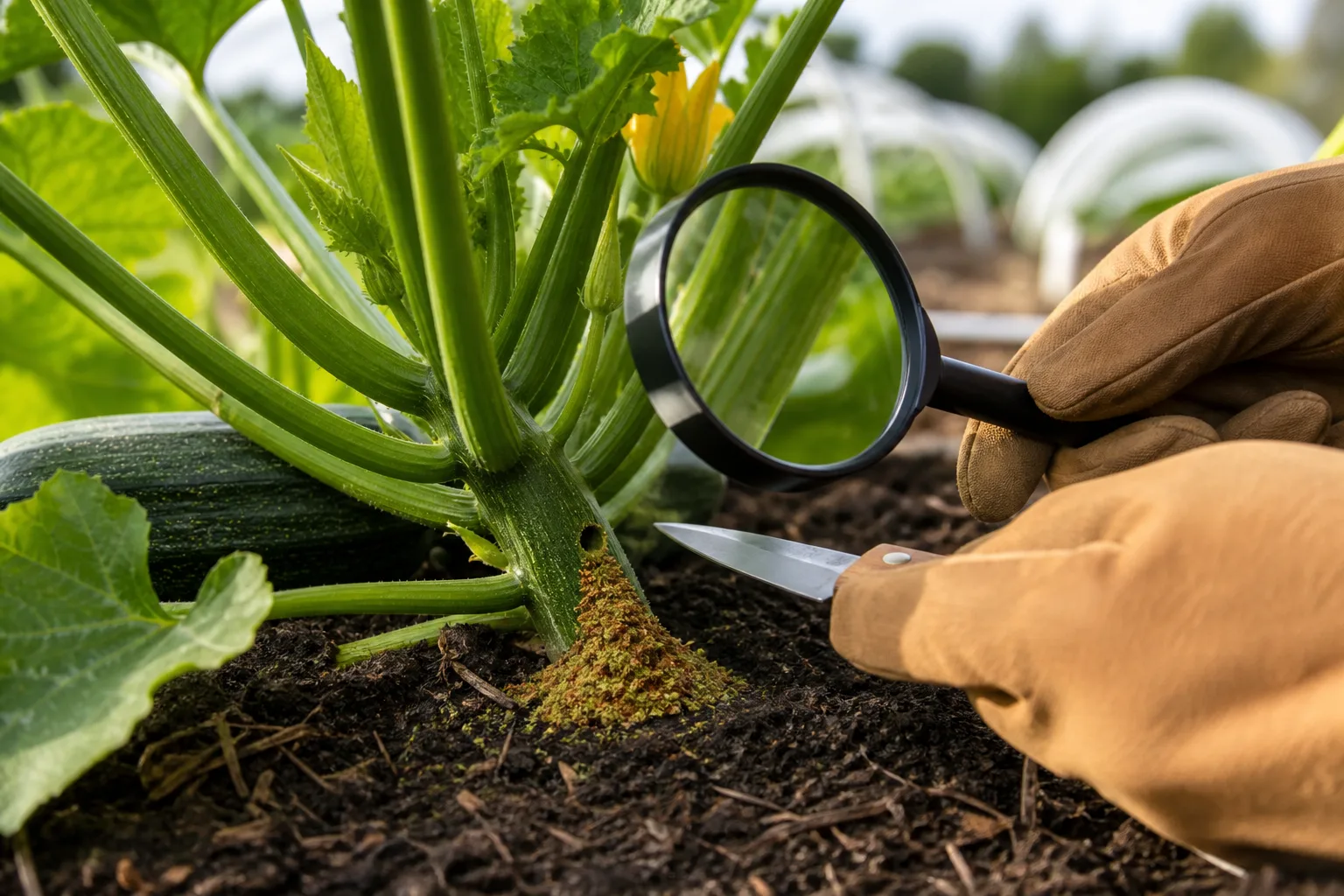
When a zucchini wilts overnight: how to spot squash vine borer before the stem is gone
A practical late-summer guide to diagnosing squash vine borer, deciding whether to rescue a plant, and planning prevention without harming pollinators.
Wire-free robot mowers in 2026: buy now, wait, or keep the trimmer?
The newest robot mowers can map lawns without a buried wire, but trees, edges, slopes, setup cost and nighttime wildlife safety still decide whether they save your summer or create a new chore.