The Ocean Cleanup lesson: good technology gets better when it listens to evidence
The Ocean Cleanup did not make ocean plastic simple, and that may be its most useful lesson. Real environmental technology has to combine ambition with ecology, local waste systems, river prevention, transparent data and the humility to change course.

The most useful lesson from The Ocean Cleanup is not that one bold machine can rescue the ocean. It is that good technology becomes stronger when it survives contact with evidence. The project made ocean plastic visible to millions of people, built systems that collect real waste, and helped move public imagination beyond resignation. It also ran into many of the limits that marine scientists and ocean engineers warned about from the beginning: the Great Pacific Garbage Patch is not a floating island, the open ocean is a difficult workplace, plastic is mixed with living organisms, and cleanup alone cannot beat the flow of new waste.
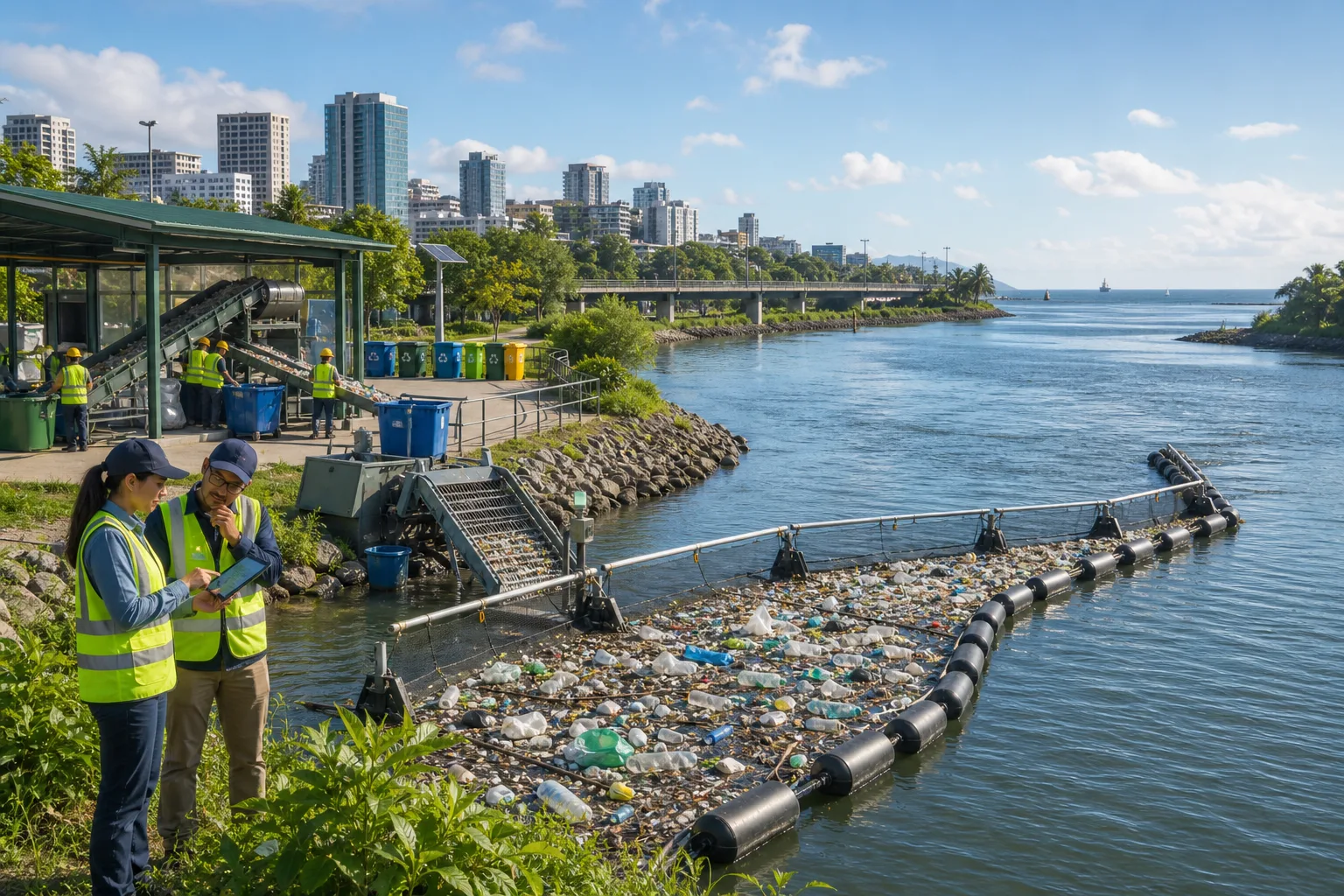
That tension is why the renewed discussion around The Revelator’s critical article belongs in Good Tech News. The positive story is not a fairy tale about a single invention saving the sea. It is a more mature story about environmental technology learning to be measured, local, cautious and adaptive. A useful clean-tech project should not only look convincing in a video. It should define the problem accurately, count side effects, listen to domain experts, publish enough data to be challenged, and change strategy when the first promise proves too simple.
Hacker News revived the debate on August 20 with a thread around the question of why The Ocean Cleanup has not solved the plastic pollution crisis. The comments showed the real split. Critics said the project confirmed expert warnings about open-ocean cleanup. Supporters argued that the organization is doing more than many groups that only campaign. Pragmatists pointed to the river work as a more promising pivot: stop plastic before it reaches the sea, then use ocean cleanup as one piece of a broader system.
That is a useful framing. The Ocean Cleanup is not a failure story and not a miracle story. It is a case study in how good technology grows up.
Why the original promise was so powerful
The Ocean Cleanup became famous because it offered an image people could understand. There is plastic in the ocean; build a large floating system; collect the plastic; bring it back to land. The story had an inventor, a prototype, a visible target and a hopeful timeline. For a problem as large and depressing as marine plastic pollution, that mattered. People are more likely to support a problem when they can imagine a tool that touches it.
The Great Pacific Garbage Patch also sounded like an obvious cleanup site. The name invites the wrong mental picture: a dense island of trash waiting to be scooped away. NOAA and other scientific sources have long explained that garbage patches are not solid islands. They are broad zones where currents concentrate floating debris, much of it dispersed, weathered, mixed with microplastics and difficult to see from a boat or plane. By mass, large items and fishing gear can matter a great deal; by count, small fragments dominate. That makes the engineering challenge less like cleaning a harbor and more like operating in a moving, thin, living soup.
The simplicity of the image was both the project’s strength and its weakness. It attracted attention, funding and talent. It also made it easy for supporters to underestimate scale, ecology and cost. Good technology often begins with a clear metaphor. It matures when it lets the metaphor become more accurate.
What critics warned about
Marine ecologists and oceanographers raised several objections long before the current debate. One concern was ecological impact. Floating life in the surface layer, often discussed through the term neuston, can share space with floating plastic. A device that passively concentrates debris may also interact with organisms. The question is not whether all cleanup is harmful, but whether net benefit has been measured carefully enough and independently enough.
Another concern was scale. The Ocean Cleanup’s own public pages describe the Great Pacific Garbage Patch as holding roughly 100,000 tons of floating plastic and say the organization has caught almost 500,000 kilograms there. That is a real quantity of material, but it is small compared with the stock and smaller still compared with the continuing global flow of plastic waste. A project can remove impressive-looking loads and still not change the system fast enough.
A third concern was opportunity cost. If a dramatic cleanup device convinces the public that “someone is handling it,” pressure may shift away from source reduction, better waste management, fishing-gear controls, deposit systems, product redesign and international rules. Cleanup is easier to film than prevention. Prevention is often where the larger benefit lies.
A fourth concern was engineering durability. Open-ocean systems face storms, corrosion, maintenance logistics, fuel costs, vessel emissions, crew risk and long travel distances. These are not details. They determine whether a concept scales from a prototype to a lasting environmental service.
What the project really achieved
A fair assessment also has to say what The Ocean Cleanup has done. It did not simply make a video and disappear. It built and revised ocean systems, including System 002 and System 03. It reports plastic removal from the Great Pacific Garbage Patch, publishes updates, and says it uses mitigation measures such as cameras, escape aids, deterrents and independent observers to reduce marine-life impact. It presents a Net Environmental Benefit Assessment and argues that the benefits of removing plastic outweigh the environmental costs of its operations.
Those claims still need independent scrutiny, especially when used for fundraising, partnerships or policy influence. But they are not nothing. The project has moved from youthful overconfidence toward more operational language: monitoring, mitigation, data, system updates, river deployments, local partnerships and environmental impact. That shift is part of the good news.
The river work is especially important. The Ocean Cleanup says a large share of river plastic pollution comes from a relatively small number of rivers and has built Interceptor systems to catch waste before it reaches the ocean. It links these systems to local waste management infrastructure, and its 30 Cities Program points toward a more grounded model: work where plastic is concentrated, close to land, easier to collect, and closer to the social systems that decide whether waste returns to the water.
River interception is not a complete solution either. Devices need maintenance, local trust, disposal or recycling capacity, financing, and adaptation to flood conditions. But compared with chasing dispersed plastic in the open ocean, stopping material in rivers is often a more practical point of intervention. It is less heroic, and that is why it may be better.
The positive lesson: prevention beats rescue
The strongest environmental technologies often do not look like heroic rescues. They look like boring systems that prevent harm from becoming expensive. In plastic pollution, that means waste collection, sorting, deposit-return schemes, safer packaging design, bans or restrictions where appropriate, fishing-gear accountability, local river barriers, storm-drain capture, and international agreements that reduce production and leakage upstream.
That does not make cleanup irrelevant. Some plastic is already in the ocean. Ghost gear and large floating debris can harm wildlife and vessels. Removing material can provide data, public attention and direct local benefit. But cleanup should be treated as a downstream tool, not a substitute for upstream change.
The current UN plastics treaty debate shows why this matters. If governments focus only on waste management and cleanup while avoiding production caps, reuse systems or product redesign, the ocean keeps receiving new material. A river interceptor can be useful; it should not become an excuse for a disposable packaging model that never changes.
Good tech in this area is therefore a portfolio. Open-ocean cleanup may remove some accumulated debris. River interception can stop part of the flow. Better city waste systems can reduce leakage. Policy can change incentives. Product design can reduce unnecessary plastic. Data can show where interventions work. None of these alone is magic. Together, they become real progress.
How to evaluate clean-tech claims
The Ocean Cleanup debate gives readers a practical checklist for any environmental technology claim. First, define the problem precisely. Is the project addressing plastic by mass, by item count, by toxicity, by harm to wildlife, by visible litter, or by public awareness? Those are different goals.
Second, ask for the baseline. How much pollution exists in the target area? How much enters each year? How much does the technology remove, prevent or displace? A number such as “kilograms collected” is useful only when compared with the relevant flow and stock.
Third, ask about side effects. Does the system disturb wildlife, create emissions, change local incentives, produce waste that cannot be processed, or pull attention from better interventions? Environmental benefit has to be net benefit.
Fourth, ask about independence. Are impact numbers audited? Are observers independent? Are methods public? Can outside scientists challenge the assumptions? A good technology should become more credible when examined, not more defensive.
Fifth, ask who maintains it. A machine installed in a river is not a solution unless someone clears it, repairs it, pays for it, handles the captured waste and works with the community around it. Infrastructure is not the device alone; it is the operating system around the device.
Sixth, ask whether the project can change course. The most promising part of The Ocean Cleanup story is not the original certainty. It is the visible move toward rivers, monitoring and mitigation. In climate and ecology, stubbornness can look like vision for a while. Over time, adaptability is the stronger virtue.
What supporters and critics both get right
Supporters are right that “not perfect” is not the same as useless. The world needs people willing to build, test and operate hard things. Environmental problems are not solved by commentary alone. A project that collects real plastic, creates data and helps cities improve waste interception can deserve support even if its first narrative was too simple.
Critics are right that “doing something” is not enough. Ecological systems are not empty stages for engineering ambition. If experts warned about scale, neuston, microplastics, fishing gear, fuel, maintenance and cost, those warnings should be part of the design review, not dismissed as negativity. The phrase “at least they are trying” cannot replace evidence.
The mature position is to keep both truths. Encourage builders. Demand measurement. Celebrate useful pivots. Reject miracle framing. Fund prevention. Ask for independent data. Do not confuse a compelling demonstration with a solved system.
The better good-news story
The better good-news story is that public expectations are improving. Ten years ago, many viral climate and ocean-tech stories were judged mostly by elegance and ambition. Now the better questions are more specific. What is the lifecycle impact? What is the baseline? What happens at scale? Who maintains the system? What do domain experts say? What policy change would make the technology more useful? What would prove it is not working?
That is progress. It means technology optimism is becoming less naive. It can still be hopeful, but it has to be evidence-seeking.
The Ocean Cleanup helped popularize the idea that the plastic crisis is not invisible. Its critics helped insist that visibility is not enough. Its river work suggests that the most useful path may be less cinematic than the original promise but more practical. That is what good technology often looks like after the hype: smaller claims, better data, stronger partnerships, clearer limits and more attention to the systems around the machine.
The ocean will not be saved by one device. But better devices, better city systems, better policy and better honesty can reduce harm. That is a good-news story worth telling without pretending it is simple.
Related articles
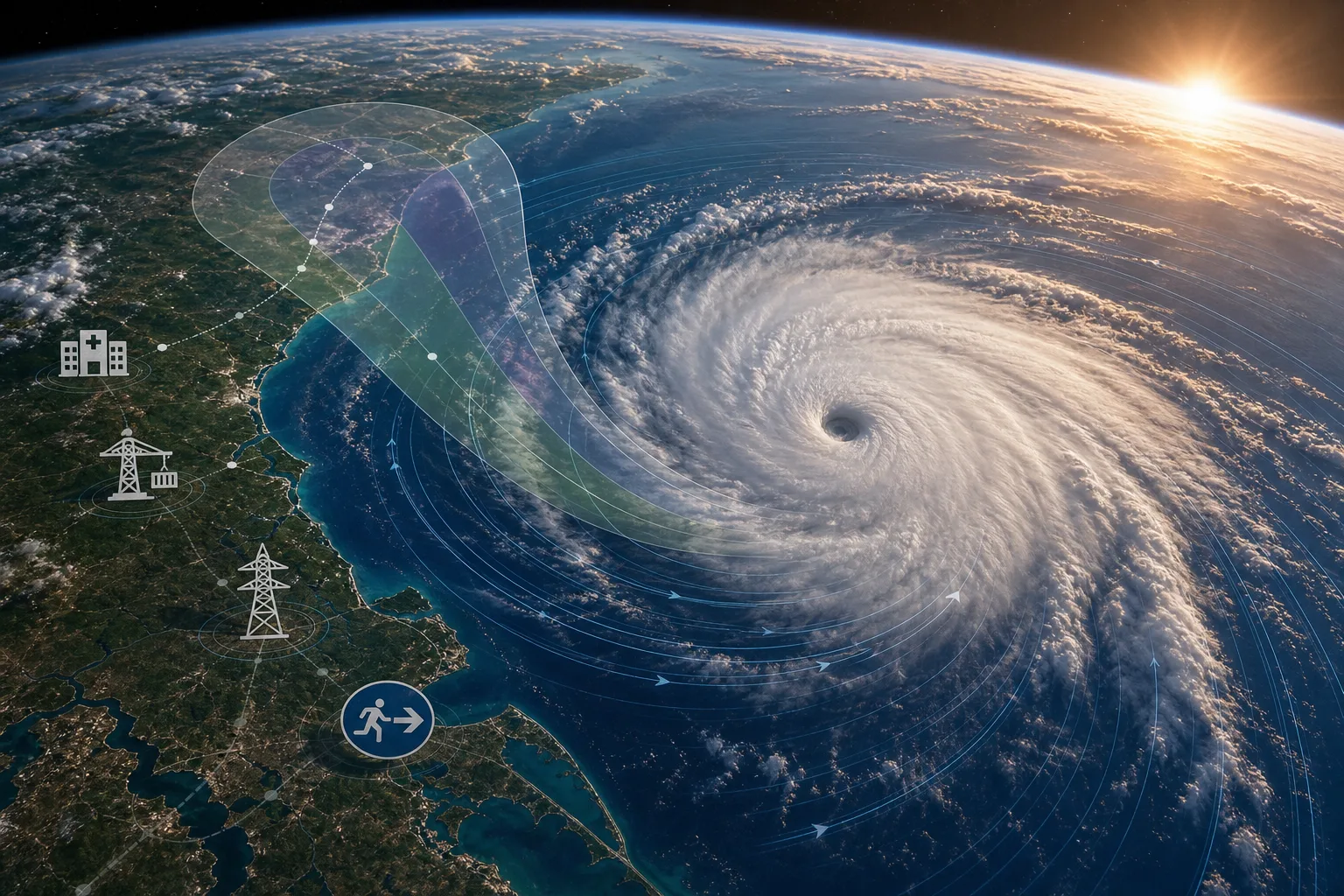
An extra day before the cyclone: why WeatherNext is a real good-tech story
DeepMind’s open WeatherNext Cyclones model points to about a day more useful warning time, but its value depends on public forecasters, official alerts and careful validation.

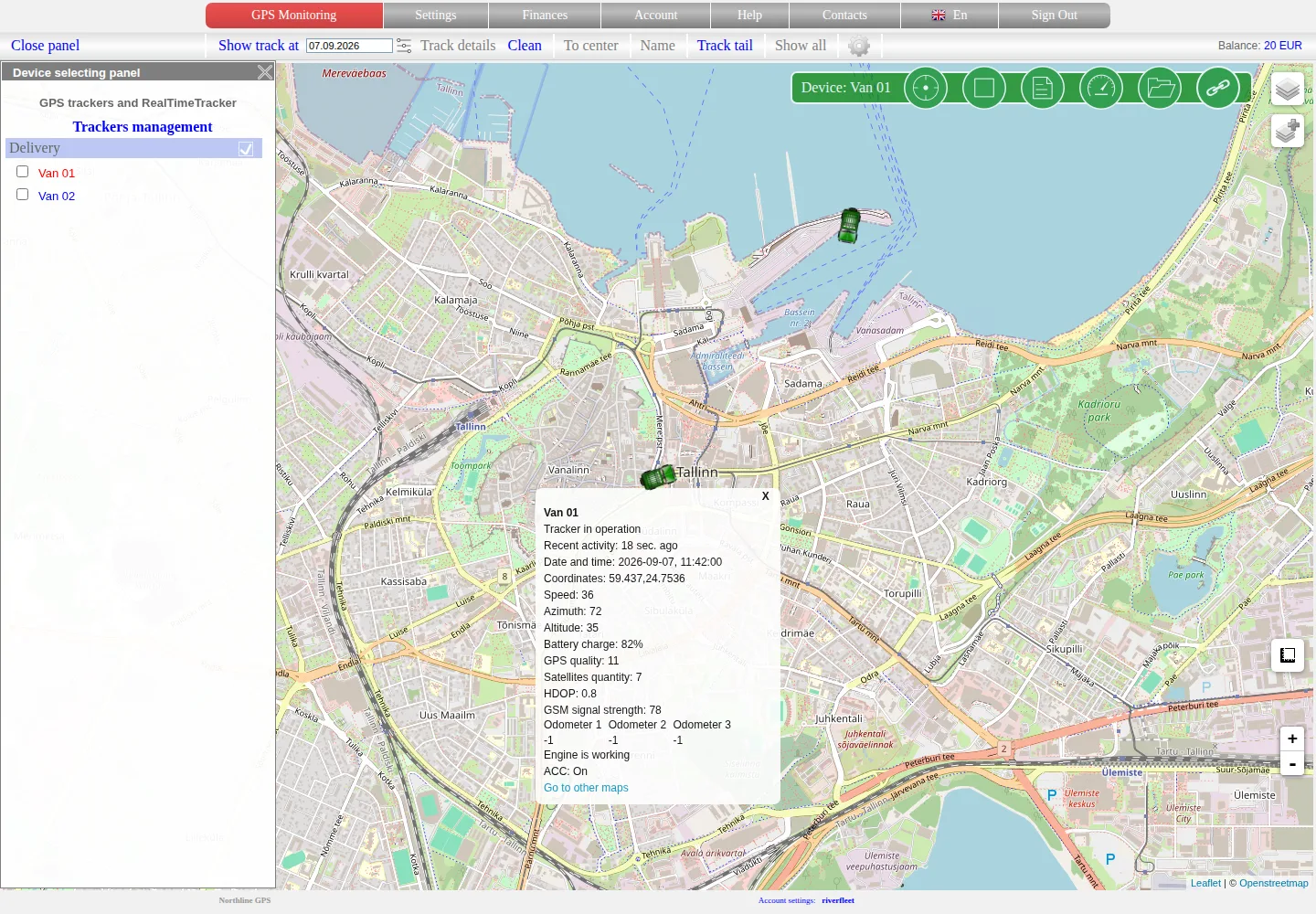
Live monitoring on the map
Select an object, read its latest data correctly and distinguish a fresh position, an old point and a tracker without coordinates.

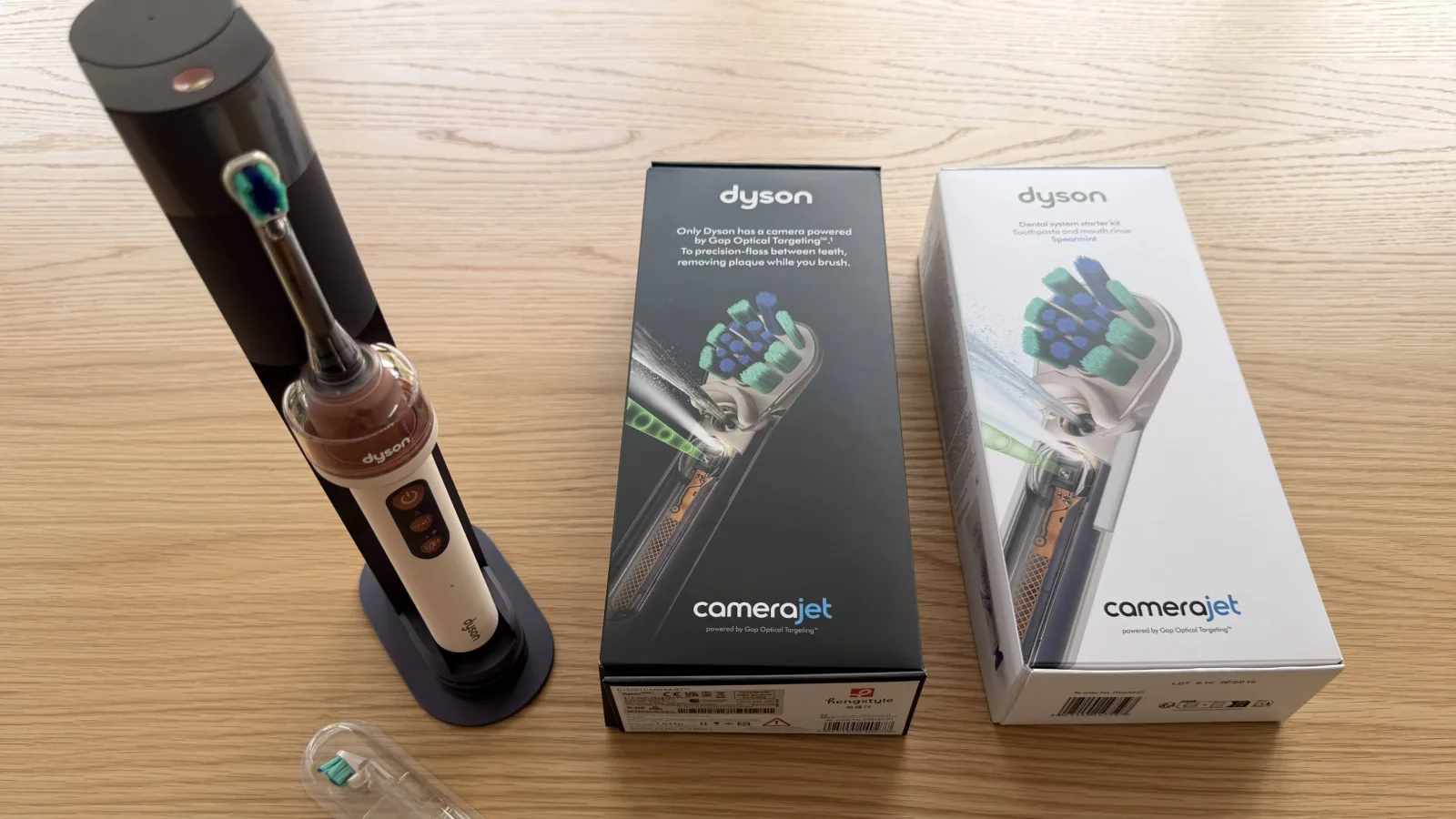
Dyson CameraJet Puts a Machine-Vision Camera and Mouthwash Jet in a $499 Toothbrush
Dyson’s first toothbrush uses a tiny camera and machine-learning software to find gaps between teeth, then aims a burst of mouthwash at them. The unusual design is technically ambitious, but its price, upkeep and unproven clinical advantage matter as much as the headline feature.
Nanocząsteczki mRNA celują w makrofagi guza. Obiecujące, lecz wczesne badanie immunoterapii raka
W badaniu na myszach nanocząsteczki lipidowe pokryte przeciwciałami przeprogramowały makrofagi wspierające guz i pomogły przyciągnąć limfocyty T. To nie jest lekarstwo na raka, lecz starannie opisany dowód koncepcji.

Comments
Sign in to comment.
No comments yet.