Doom in Orbit, Caroline on 648, and ESP32 TV on 6 cm
Norwegian hams voice-commanded a satellite to play Doom, Radio Caroline is still rocking medium wave into Estonia, and someone built DATV with two ESP32 boards.
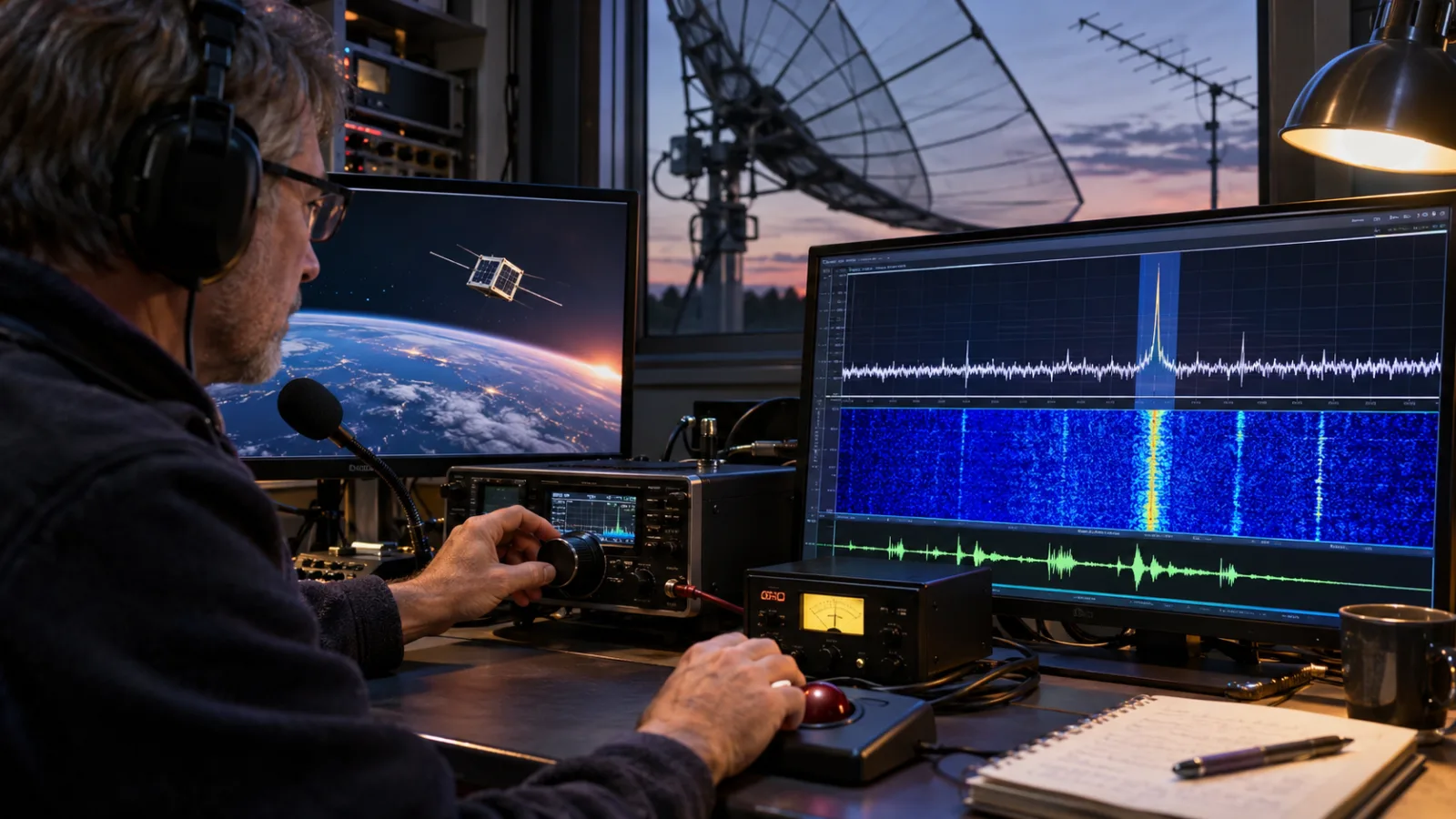
The airwaves never really go quiet — they just wait for someone to notice. Over the last couple of days the usual mix of digital modes, SDR experiments and occasional pure madness has been circulating on X, and a few items stood out.
Doom has been played in orbit (again, but this time by voice)
On 27 July members of the Oslo Group of NRRL (LA4O) pointed an 80-watt 23 cm transmitter at ESA’s OPS-SAT PRETTY cubesat and spoke the command “PRETTY PLAY DOOM”. The satellite recovered the voice from the noise, ran a 27 MB speech-to-text model, recognised the trigger and launched the 1993 classic. It then downlinked a postcard with a gameplay frame and the transcription. It took seven attempts across Poland and Norway, pizza was involved, and the club cheerfully admitted they had never done satellite work before. The story has been circulating again this week on X and various tech sites. First known voice command successfully executed by a satellite — the kind of thing that makes you wonder what else is possible with a rooftop antenna and a bit of stubbornness.
Radio Caroline still punching through on 648 kHz
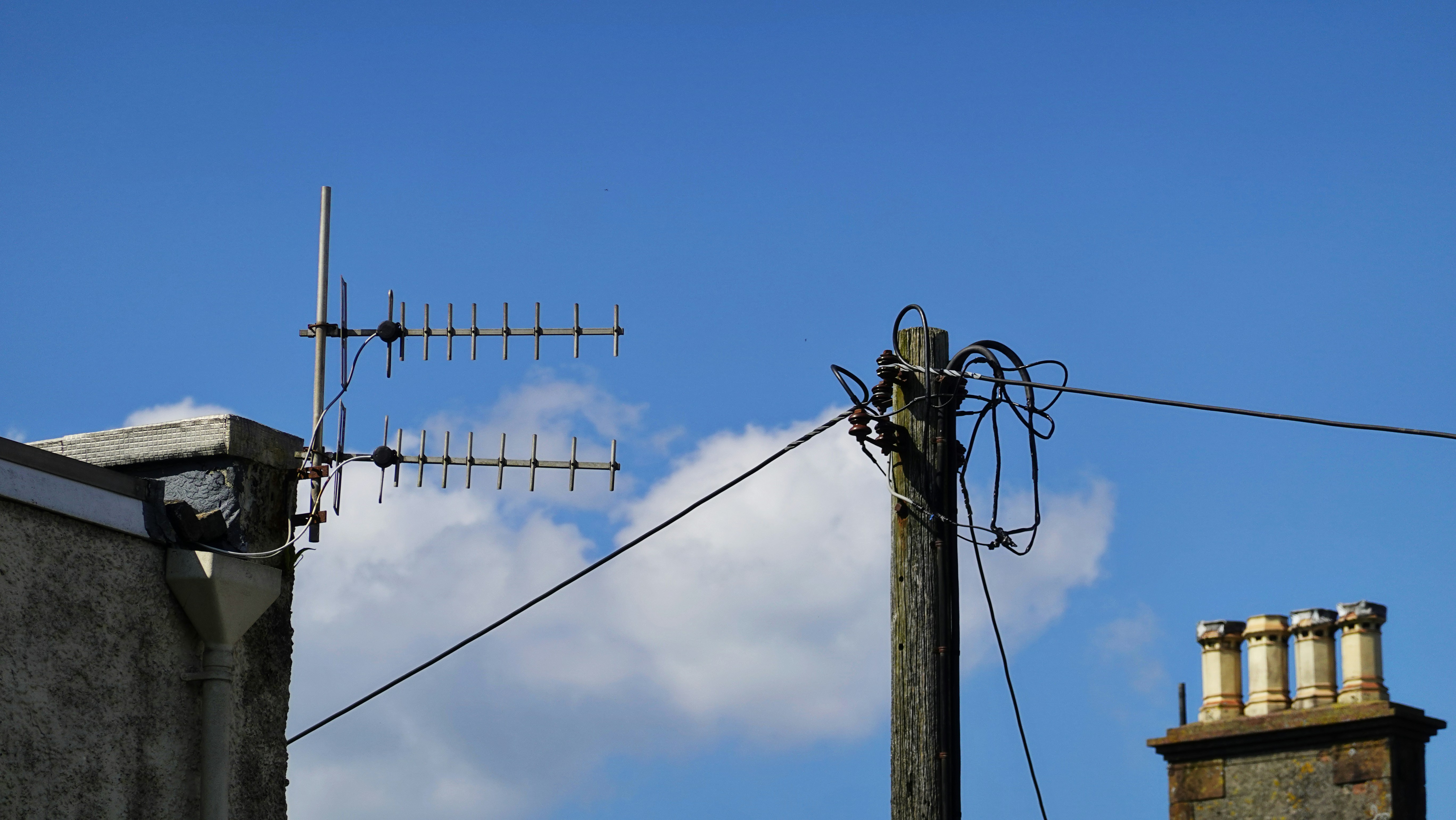
DX Estonia posted a recording made this morning (07:00 UTC) of a strong Radio Caroline signal on 648 kHz using an RX888 SDR and a 160 m inverted-V. Dark days, little sun, scarce power, but the classic offshore station is still delivering music into the Baltic. Caroline has been legal on medium wave since 2017 from Orford Ness; the pirate aesthetic never quite left. If you have any kind of MW capability or a WebSDR in Europe, it is still one of the more pleasant things on the band.
DATV on 6 cm with two ESP32 boards and nothing else
Ondra OK1CDJ demonstrated a DVB-S2 QPSK beacon on 5715 MHz using two Waveshare ESP32-C5 boards. One transmits, the second receives on an Android phone. MER 13–17 dB at 3 m, no other RF hardware involved. Experimental, licensed hams only, code on GitHub. It is the sort of pure “because we can” project that keeps the experimental side of amateur radio interesting. The post picked up a decent amount of engagement for a niche microwave experiment.
Micro Center is selling SDR kits to kids
One post simply noted that kids growing up with Micro Center now have software-defined radio kits on the shelves. Combined with a separate short video of kids playing with SDR, it suggests the next generation is getting into spectrum visualisation earlier than previous ones. Whether that produces more licensees or just more people who know what a waterfall looks like remains to be seen, but the hardware is no longer exotic.
QO-100 is about to turn eight
Alessandro IU0QVW reminded everyone that Es’hail-2 (and its amateur transponder QO-100) launched on 15 November 2018. First geostationary amateur radio satellite, fixed over 26° E, uplink on 2.4 GHz, downlink on 10 GHz. Narrow and wideband transponders still busy. A quiet anniversary, but worth a look if you have never tried the bird.

Other bits
- Thermal-noise communication experiments (Stanford) are being received on ordinary RTL-SDR dongles — data without a carrier, just differences in noise.
- AIS-Catcher continues to be a popular way to track ships locally with an RTL-SDR and a simple antenna.
- Japanese operators are still working POTA on FT8 (one LW5DR contact from Argentina noted).
What to check out: if you have an SDR that covers medium wave, try 648 kHz for Caroline. If you are licensed and curious about microwave, the ESP32 DATV repo is worth a look. And if you have never worked a satellite, QO-100 is the most forgiving one in the sky.
Sources: posts from @EstoniaDX, @AmsatUK, @ok1cdj, @d0tslash, @IU0QVW and related discussions on X.
Related articles
Off Frequency Daily: Satellite Plays DOOM on Voice Command, CubeSat Hunters, and Browser SDRs
Hams tell an ESA satellite to play DOOM over 23 cm, Android CubeSat hunting apps land, and offline browser receivers keep getting weirder. A slightly ironic tour of the last 48 hours in amateur and free radio.
What OPS-SAT PRETTY’s Voice-Controlled Doom Experiment Reveals About SDR Satellite Links
A Norwegian amateur-radio group helped an ESA experiment make a satellite act on a spoken command over 1296 MHz. The useful lesson is not the game: it is how channel width, Doppler, SDR processing and tiny onboard models determine whether an orbital voice link works.

Mosquito bucket of doom: when a Bti bucket helps the garden, and when it is just standing water
A practical look at the viral Bti bucket: how it interrupts mosquito larvae, why it does not repel adults, and how to use it without creating a new hazard.

The Nexus ID-scan story shows why document verification became a cybersecurity risk
Reported sales of driver-license and ID scans are not just another data leak. They expose the hidden risk of storing the documents people use to prove who they are.

Comments
Sign in to comment.
No comments yet.