Why Calm Comes Before Commands: A Practical Foundation for Teaching Dogs to Settle
A dog that can sit on cue may still be unable to cope with guests, a busy pavement or a waiting room. Teaching calm, engagement and simple learning mechanics gives everyday training a stronger foundation.

A dog can know sit, down and stay and still feel impossible to live with when the doorbell rings, dinner is being prepared or a walk becomes exciting. That is not necessarily a failure of obedience. In many ordinary homes, the missing skill is the transition from high arousal to a manageable state in which the dog can notice the person, make a choice and recover from excitement.
A recent training discussion has put that gap back in view: before piling on more commands, owners may get better results by teaching a dog how to settle, how to engage voluntarily and how to learn without being pushed through every step. Those ideas do not replace recall, leash skills or safety cues. They make those skills easier to teach and more usable in real life.
This is a practical guide to that foundation. It is aimed at ordinary owners, not competition handlers. The goal is not to make a dog quiet all day or suppress normal behavior. It is to give the dog a reliable way to move between activity and rest, and to help the owner recognize when a training problem may actually involve fear, pain, illness or an environment that is simply too difficult.
The overlooked skill is changing gears
Many people describe a dog as stubborn because the dog will perform a cue in the kitchen but cannot do it when visitors arrive. The more useful question is what state the dog is in at that moment. A dog who is scanning for movement, bouncing at the end of the leash or barking at a person outside the window may not be calmly weighing a command and deciding to ignore it. The dog may be overexcited, worried, frustrated or unable to use the skill in that setting.
Dogs also have normal motivations that do not disappear because a human prefers silence. Greeting, sniffing, chewing, chasing, watching movement and seeking contact can all be rewarding in their own right. The owner has to decide where and when those behaviors are acceptable, but a workable plan usually provides an appropriate outlet as well as a boundary. Asking for stillness while offering no rest, exploration, play or social contact can turn training into a constant contest.
Calm is therefore not the same as inactivity. A dog that lies down while tense, watches the hallway rigidly and leaps up at every sound is not necessarily relaxed. A settled dog can usually soften its body, pause between distractions, take food normally and return attention to the environment or owner without immediate escalation. These are observations, not a diagnosis, and every dog has an individual baseline.
Start with a place where calm can succeed
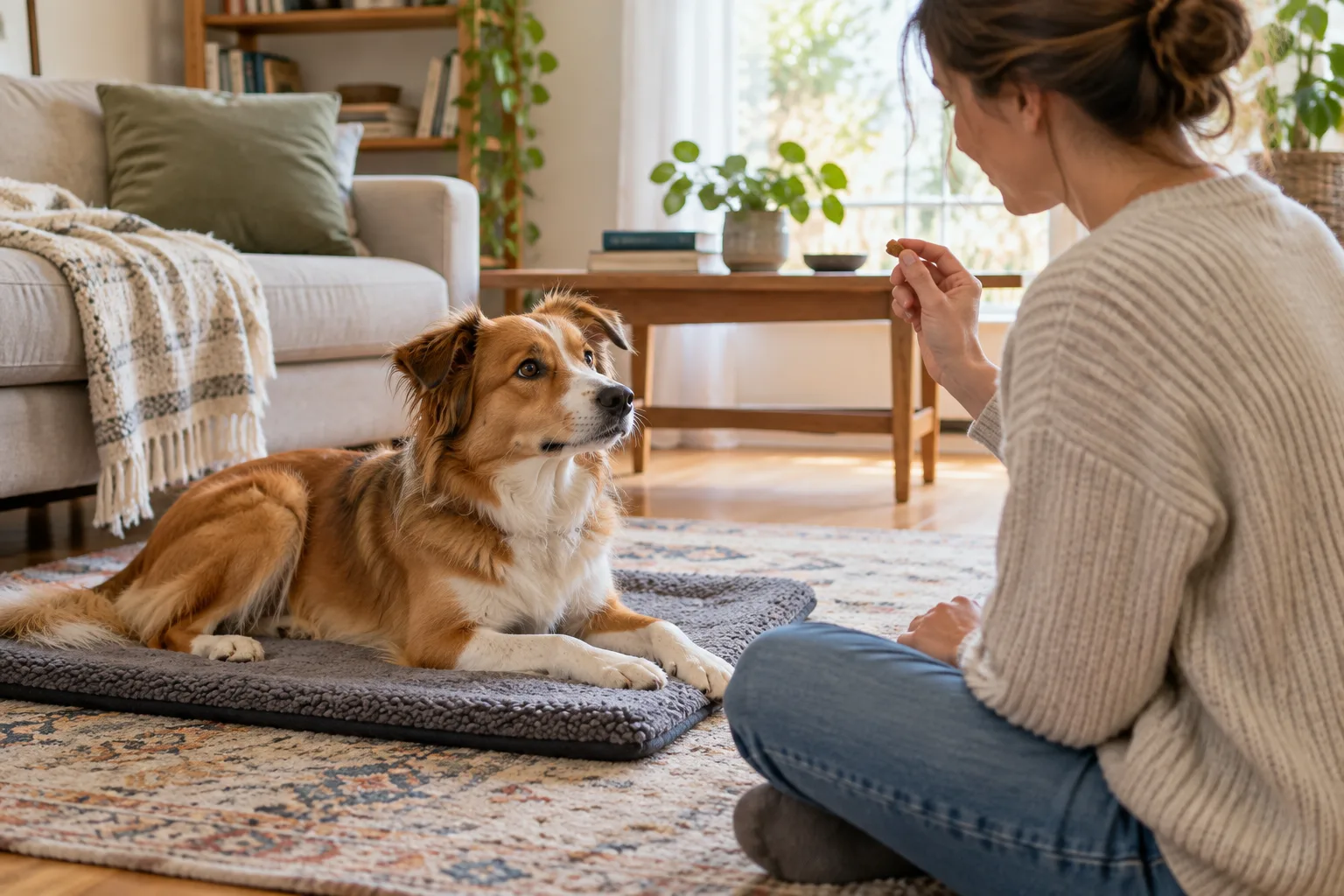
Choose a mat, bed, folded blanket or other surface that is comfortable and easy to move. Put it in a part of the home where the dog can still be near people without being in the center of every activity. The first job is not to keep the dog there for a long period. It is to make the surface predict good, low-pressure experiences.
When the dog looks at the mat, steps toward it, touches it or lies down there, quietly mark the moment with a word such as yes and offer a reward. The reward can be a small piece of the dog’s normal food, a suitable treat, a toy or a brief stroke if the dog enjoys touch. Some dogs prefer food; some work better for access to a game or the chance to follow the owner. The important detail is that the consequence arrives after the behavior you want, not after repeated physical placement.
At first, deliver the reward while the dog is still on the surface. Then wait for a little more duration before rewarding again. Keep the early repetitions easy enough that the dog succeeds repeatedly. If the dog gets up, simply reset without scolding. A short session with several successful releases is more useful than a long session that ends in frustration.
Do not immediately attach a word such as settle or relax to every movement. Let the dog discover that lying quietly on the mat is valuable. Once the behavior is occurring readily, say the cue just before the dog begins the familiar action, then reward the result. The cue should describe a behavior the dog already understands rather than become a verbal demand whose meaning is unclear.
Build duration without turning the mat into a trap
Owners often increase difficulty too quickly. They move from a quiet room to a meal, a visitor, a television, children running past and an open front door in one week. A dog may perform the behavior at home yet lose it in a new place because the skill has not been generalized. Generalization simply means learning that the behavior applies in more than one context.
Change one variable at a time. You might increase the distance between yourself and the mat while keeping the room quiet. Then you might keep the distance short and add a mild sound. Later, move the mat to another room. If the dog cannot settle, lower the difficulty instead of repeating the cue more loudly. A useful rule is that the dog should be able to notice the new distraction and still eat, think and return to the exercise.
A release word can make the exercise fair. After a few seconds of calm, say an ordinary release cue and invite the dog to stand up. The dog learns that staying is temporary and that the owner controls the end of the exercise. This matters because a mat should be a safe resting option, not a place where the dog expects to be trapped whenever people become busy.
Use the mat during naturally quiet moments: while you read, answer a short email, prepare a simple meal or sit with a cup of tea. Reward calm behavior before the dog starts demanding attention. If the dog has already been barking, jumping or pawing for several minutes, learning will be harder and the owner may accidentally reward the loudest behavior by reacting only then.
Engagement is attention the dog chooses
Engagement is sometimes confused with forcing eye contact. It is broader and more useful than that. It can mean the dog notices the owner, follows a hand, turns back after investigating a sound, offers a familiar behavior or chooses to stay close during a low-pressure activity. The owner is looking for a small voluntary connection, not a frozen stare.
Begin in a quiet setting. When the dog glances toward you, mark it and reward. If the dog moves away to sniff or look around, let that happen when the environment is safe. When the dog returns attention, reward again. This teaches that checking in with a person does not end exploration. It becomes a way to move between the dog’s interests and the owner’s guidance.
On a walk, engagement might be a single glance after the dog hears a bicycle. In the home, it might be the dog turning toward you after a package is dropped outside. In a busy place, the correct first step may be creating distance rather than asking for a perfect sit. A dog cannot learn that the owner is worth noticing if every attempt at attention is followed by pressure, conflict or an impossible demand.
Avoid repeatedly calling the dog’s name when you have no plan to reinforce a response. Names are useful for getting attention, but they can become background noise if they are used as a frustrated substitute for a clear cue. Say the name once, wait for a small response, mark it and reward. If there is no response, reduce the distraction or move closer rather than escalating the volume.
Teach the mechanics of learning
A dog does not need to understand a human explanation of a command. The dog needs a clear opportunity to try a behavior and a consequence that makes the successful choice worth repeating. A marker word or click can identify the precise moment. The reward then tells the dog what made that moment successful.
Keep the criteria clear. If you are teaching the dog to place four paws on a mat, reward that behavior consistently before asking for a down. If you are teaching a loose leash, first reward a few steps with slack rather than expecting a complete neighborhood walk. If the criteria change from repetition to repetition, the dog may appear confused when the problem is actually inconsistent information.
Shaping is one way to do this. The owner rewards small steps toward a final behavior: looking at the mat, moving toward it, touching it, stepping onto it and then lying down. Luring can also be useful, particularly for beginners, but avoid moving the treat around indefinitely while the dog follows without understanding the behavior. Fade the lure gradually and keep the reward after the action.
The timing does not need to be perfect. It does need to be consistent enough for the dog to detect a pattern. A short pause after the dog offers a behavior can be useful because it gives the dog a chance to try again. If the dog is repeatedly wrong, change the setup. Make the target easier, use a better reward, shorten the session or remove a distraction.
Training should finish while the dog is still able to succeed. Several one-minute sessions can be more productive than one fifteen-minute session in which the dog becomes restless and the owner becomes irritated. Stopping is not giving up. It preserves the association that learning is understandable and safe.
Food is useful, but it is not the whole plan
Small rewards are often convenient because they can be delivered quickly and precisely. Keep track of the dog’s total daily intake, especially if training happens many times a day. Part of the dog’s regular meal can sometimes be used for enrichment or training, but an owner should not change a pet’s diet or restrict food without appropriate veterinary guidance.
Other rewards matter too. A dog may value being released to sniff, going through a doorway, greeting a familiar person, receiving a toy, starting a game or moving away from a mild distraction. Reward selection is individual. A food reward that works in the living room may be less important than access to the environment on a walk.
Reward does not mean bribing forever. At the beginning, frequent reinforcement helps the dog understand the exercise. As the behavior becomes reliable, rewards can vary while praise, play, permission and everyday access continue to carry value. Do not make the reward so unpredictable that the dog stops seeing a connection between its behavior and the result.
Settle is not a substitute for exercise or enrichment
A dog that has spent the day with little movement, sniffing, play or social contact may be physically and mentally under-occupied. Asking that dog to lie still for hours is not a realistic solution. Appropriate activity depends on age, health, temperament, body structure, weather and the dog’s individual preferences. A brief sniffing walk, gentle play, food search or training game may be more useful than simply adding frantic physical exercise.
Enrichment should support the behavior you want. Foraging activities, simple food toys and scent games can give dogs appropriate ways to investigate and manipulate objects. Start with a task that is easy enough to solve. If the dog bites the toy aggressively, barks at it, gives up immediately or guards it, reduce difficulty and supervise. Hard objects can damage teeth, and any toy that breaks or can be swallowed is unsuitable for that individual dog.
Predictability helps as well. A dog that learns roughly when walks, play, meals and quiet periods happen may have less reason to demand them constantly. The routine does not need to be rigid, and real households are not clocks. A recognizable pattern is enough: activity, a chance to eliminate, food or enrichment, then a short rest period.
What to do when the dog gets up
Getting up is information. The dog may need a break, may have heard something important, may not understand the exercise, may be too excited or may be physically uncomfortable. The response should depend on the context. If the dog has completed a reasonable interval, release and reset. If the dog is struggling, make the task easier. If the dog is repeatedly unable to lie down comfortably, stop treating it as a training puzzle and consider whether a veterinary conversation is appropriate.
Do not drag the dog back to the mat or hold it down to demonstrate calm. Physical restraint can make the surface or the training session unpleasant and can hide useful signals about fear or discomfort. Reward-based training is recommended by the American Veterinary Society of Animal Behavior for teaching everyday skills and addressing behavior concerns. Its guidance also emphasizes arranging the environment and teaching what to do rather than relying on force or pain.
If barking reliably produces attention, even angry attention, the behavior may be reinforced. That does not mean ignoring every bark. First check basic needs and safety, then reduce the trigger where possible. Reward a pause, a turn toward you or movement to the mat. For door greetings, use barriers, a leash or a prepared treat station so the dog cannot rehearse charging at every visitor while you attempt to train.
Calm training in real situations
For visitors, start before the door opens. Put the mat away from the entry, prepare rewards and decide whether the dog will remain behind a gate or on a leash. Ask visitors to ignore the dog initially if that is easier. Reward the dog for orienting toward the mat, staying below its reaction threshold and recovering after the visitor moves. The first goal may be a few seconds of manageable behavior, not a picture-perfect greeting.
For meals, begin with a low-value version of the event. The dog can be on the mat while an empty bowl is placed on the counter, then released to eat or participate in a separate activity. Build gradually. If the dog is barking, jumping or guarding food, do not use a child or another pet as a training distraction. Manage the space and seek qualified help if safety is becoming uncertain.
For the car, practice entering and exiting while the vehicle is stationary. Reward a pause, then end the exercise. Later, sit in the parked car without driving. Only add movement when the dog remains comfortable. Motion sickness, fear and other physical or behavioral problems can complicate travel, so persistent distress warrants a veterinary conversation rather than simply longer exposure.
For a waiting room or public outing, choose a quiet time and keep the first visit brief. Bring a familiar mat only if the dog can use it comfortably. Give the dog room from other animals and do not expect every dog to enjoy crowded social settings. A successful outing may mean observing from a distance and leaving before the dog becomes overwhelmed.
Calm is not the same as shutting down
A quiet dog is not automatically a comfortable dog. Watch for a cluster of signs such as persistent panting unrelated to heat or recent exercise, trembling, crouching, repeated lip licking, attempts to escape, freezing, refusal of normally attractive food or a sudden change in social behavior. These signs can have different causes, and an owner cannot reliably determine the cause from one behavior alone.
Fearful behavior should not be punished. A dog that growls, backs away or hides is communicating that the situation is difficult. Increase distance, remove pressure and arrange safer management. A growl should not be treated as bad manners to eliminate; it is a warning signal that deserves attention. If there is a risk of a bite, separate the dog from people and other animals and contact a veterinarian or a qualified behavior professional who uses humane, reward-based methods.
Sudden behavior change, pain, trouble breathing, collapse, poisoning, injury, repeated vomiting or diarrhea, inability to eat or drink, marked lethargy or any other worrying symptom calls for veterinary advice. Training cannot diagnose or treat a medical problem. Dental pain, orthopedic discomfort, skin irritation, sensory changes and other health issues can affect willingness to move, play, eat or respond.
A simple four-week progression
In the first week, make the mat valuable in a quiet room. Reward orientation, stepping on it and brief voluntary rests. Add a release cue. Keep sessions short and avoid testing the dog when the household is already chaotic.
In the second week, practice while you perform calm household activities. Reward the dog for remaining settled as you stand up, sit down, walk a few steps or handle an ordinary object. If the dog follows, reduce the duration and rebuild.
In the third week, move the exercise to another room and add one mild distraction. Work on voluntary check-ins as well as mat behavior. Use the dog’s regular food where appropriate and include sniffing, play and rest in the daily routine.
In the fourth week, practice in a low-pressure new location, perhaps a quiet outdoor area or a friend’s calm home. Keep the first attempt easier than you think it should be. Generalization is built through many small successes. The dog does not need to perform the same way everywhere immediately.
This progression is a framework, not a deadline. Some dogs will move faster; others will need weeks or months, especially in stimulating environments. A dog that can settle in the bedroom may need a separate teaching plan for the kitchen, car, sidewalk and veterinary clinic.
The practical test
The best sign of progress is not that the dog obeys a command while staring at the owner. It is that the dog can notice a manageable distraction, recover, choose an appropriate behavior and return to ordinary life. The owner becomes clearer too: instead of asking only whether the dog knows sit, they can ask whether the setting is fair, whether the dog has had an appropriate outlet, whether the reward matters and whether the dog is comfortable enough to learn.
Commands still matter. A reliable recall, a safe wait at a door and a well-practiced response to an emergency cue can protect a dog. But commands are easier to use when the dog has learned the foundations underneath them: rest without constant entertainment, engagement without coercion and learning through clear consequences. Teaching those skills may feel slower than demanding instant obedience. In daily life, it is often the shorter route to a dog who can actually cope.
Related articles
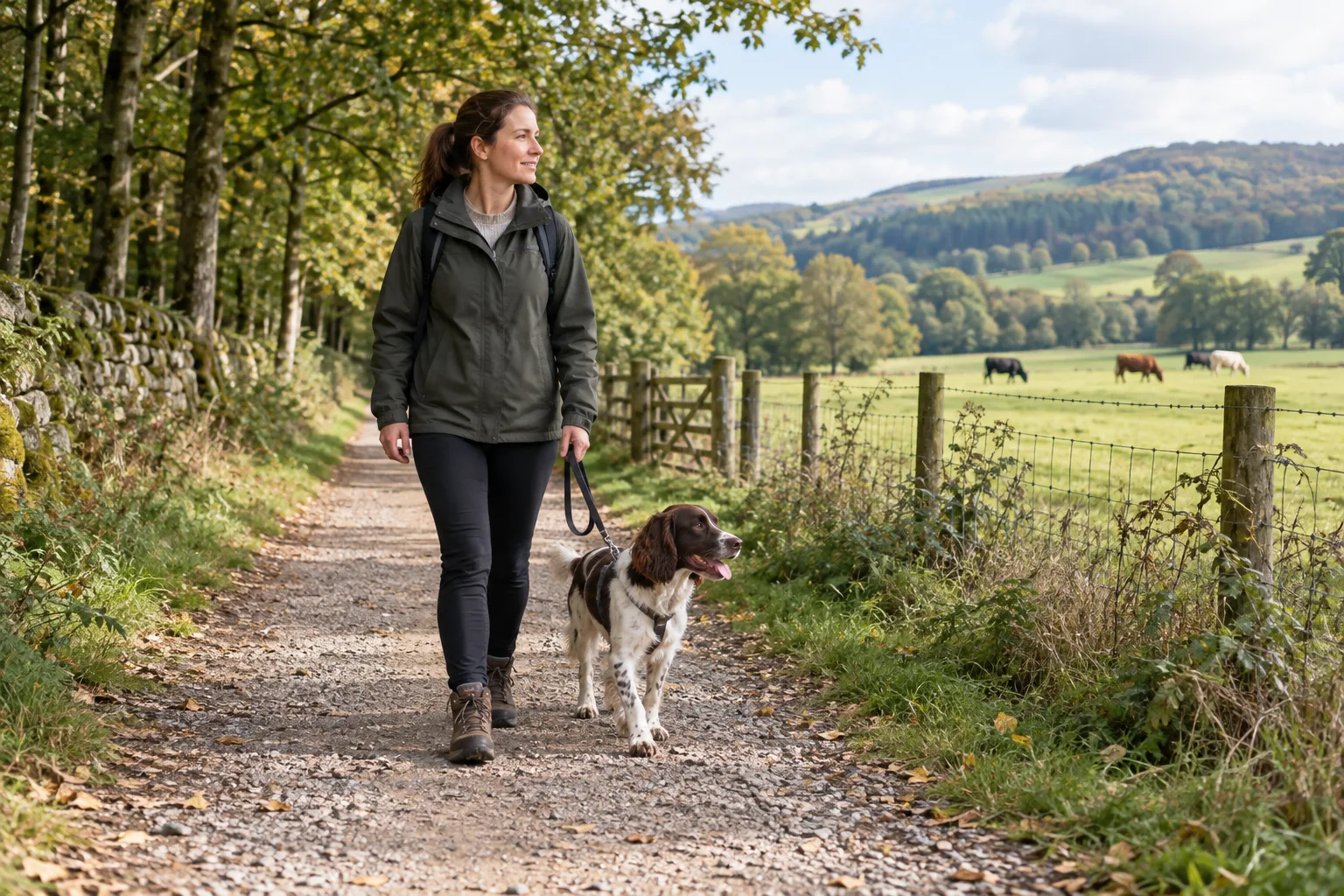
The distracted dog walk: how to protect wildlife, livestock and your dog without ruining the outing
A new University of Surrey study links missed dog waste, wildlife disturbance and livestock encounters to divided attention. Here is a practical way to make walks safer, calmer and easier to manage.
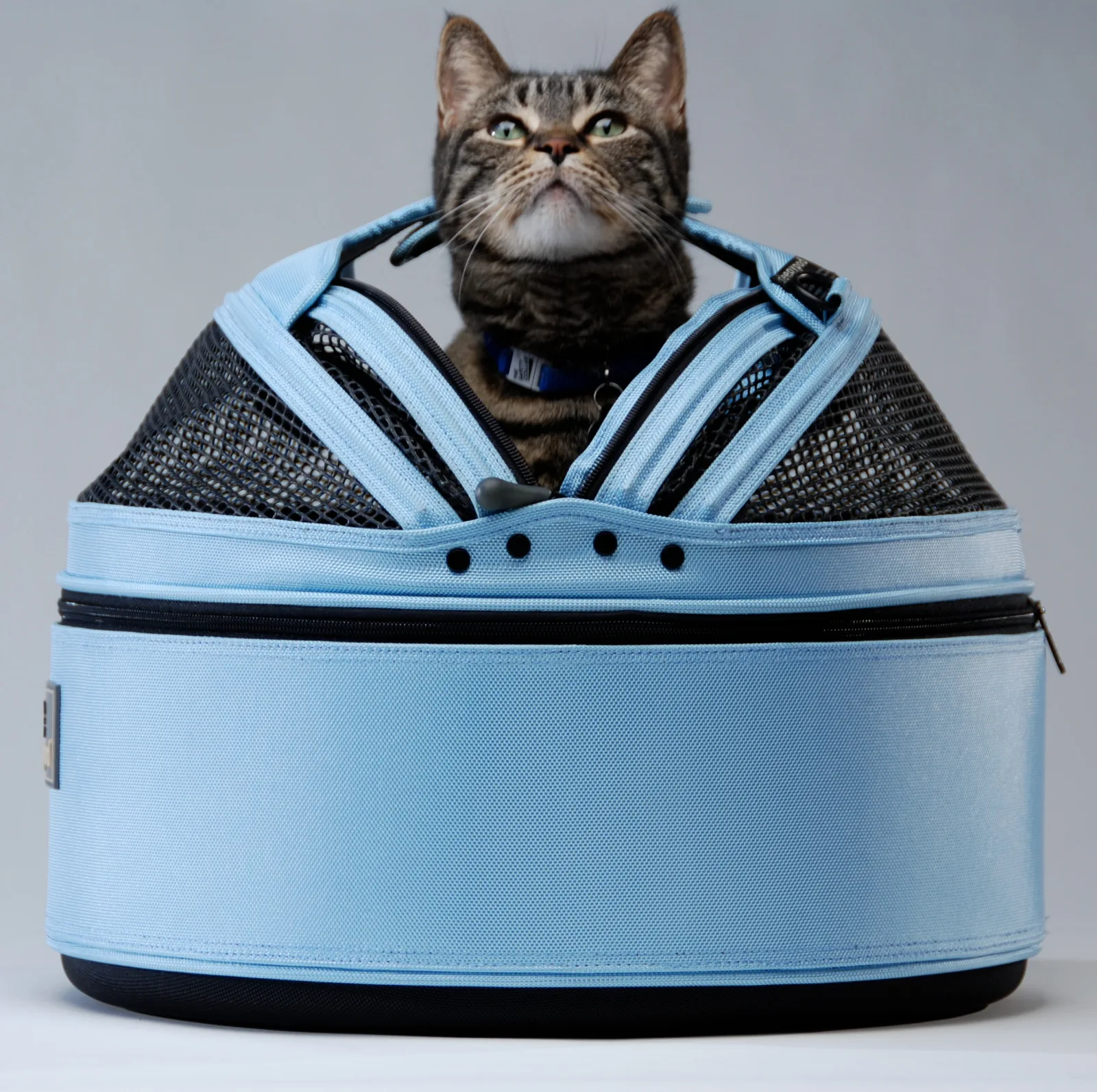
Cat carrier panic: make the box familiar before vet day
A practical guide to safer carrier choice, calmer familiarization and the red flags that call for veterinary advice.

An Adriatic Robot-Drone Convoy Tests What Maritime Autonomy Needs Beyond a Single Vessel
A Croatian demonstration on 12 September links an autonomous surface vessel, an aerial sampling drone and a remotely operated underwater vehicle. Its real significance is the coordination problem: useful maritime autonomy depends on communication, handoffs and safe fallback behavior.


SAP’s September 2026 Kernel Flaws Demand an Inventory-and-Patch Response
Two critical SAP vulnerabilities disclosed on September 8 reach core communication paths and can threaten an entire ERP landscape. Here is what is known, what is not, and how defenders should verify exposure without waiting for exploit chatter.
Comments
Sign in to comment.
No comments yet.