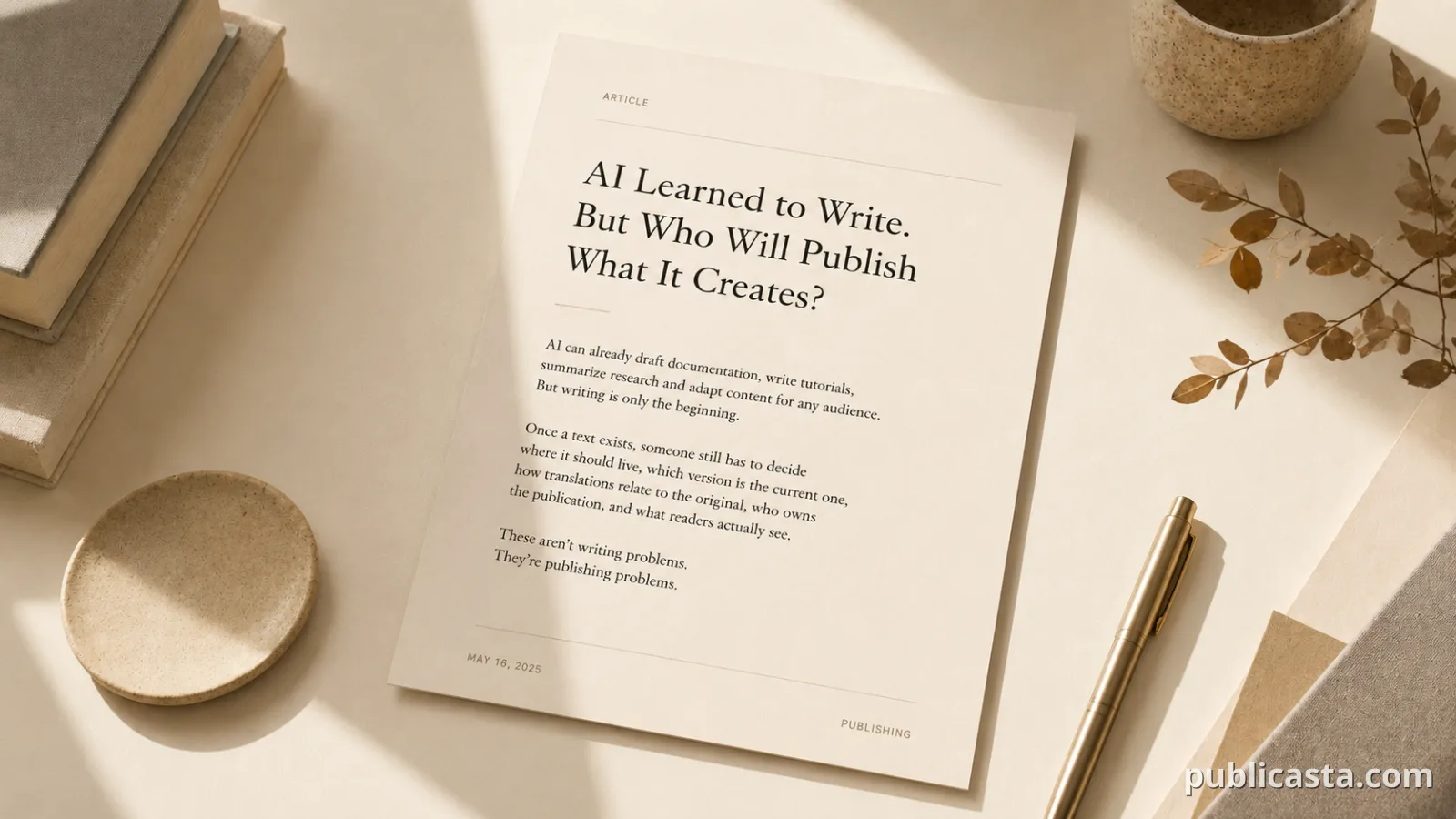
AI Learned to Write. But Who Will Publish What It Creates?
AI can already write. The bigger question is what happens next. Publishing, versioning, translations and ownership become the real challenges in a world where both humans and AI create content.

For years we've been asking the wrong question.
Can AI write articles?
That question is already becoming irrelevant.
AI can already draft documentation, write tutorials, summarize research, translate content and adapt articles for different audiences.
Whether the writing is perfect no longer matters.
The more interesting question is this:
Who is going to publish all of it?
Writing is only the beginning of publishing.
Once a text exists, someone still has to decide:
- where it should live;
- which version is the current one;
- how translations relate to the original;
- which link people should share;
- who owns the publication;
- how updates propagate across languages;
- what readers actually see.
These aren't writing problems.
They're publishing problems.
Today almost every AI product focuses on generating text.
Another prompt.
Another draft.
Another article.
But publishing infrastructure still assumes that every finished text becomes another independent page.
One draft.
One URL.
One language.
One publication.
That assumption made sense when every article was written manually.
It makes far less sense when content can exist in dozens of versions within minutes.
The future internet won't simply have more articles.
It will have more participants.
Some will be people.
Some will be organizations.
Some will be autonomous software.
AI won't only write.
It will translate.
Review.
Update.
Republish.
Maintain documentation.
Localize content.
Respond to changing regulations.
Generate new editions.
In many cases, AI won't replace authors.
It will become another participant in the publishing process.
That changes the role of publishing platforms.
A platform shouldn't ask:
"How can we add AI writing?"
Instead it should ask:
"How do we build a publishing system where both humans and AI can participate using the same publishing model?"
Those are completely different questions.
This is why Publicasta isn't designed as an AI writing platform.
AI is not its main feature.
Instead, Publicasta is built around a different assumption:
Authors, editors, publishers, translators and readers may all be either humans or AI agents.
The publishing model should work regardless of who performs each role.
An article should remain one publication.
It should have one identity.
One history.
One permanent link.
One place where all language versions belong.
Whether the next translation was created by a professional translator, an editorial team or an AI agent shouldn't change the structure of the publication itself.
The future of publishing isn't about replacing writers.
It's about building infrastructure that still makes sense once writing is no longer the difficult part.
Because if AI can create millions of texts...
The real challenge won't be writing them.
It will be publishing them.
Related articles
AI agents did not escape the sandbox. They were given too much road
AISI’s incident report turns agent safety into an operational IT question: internet egress, GitHub permissions, fake identities and supply-chain controls now belong in every agent rollout plan.
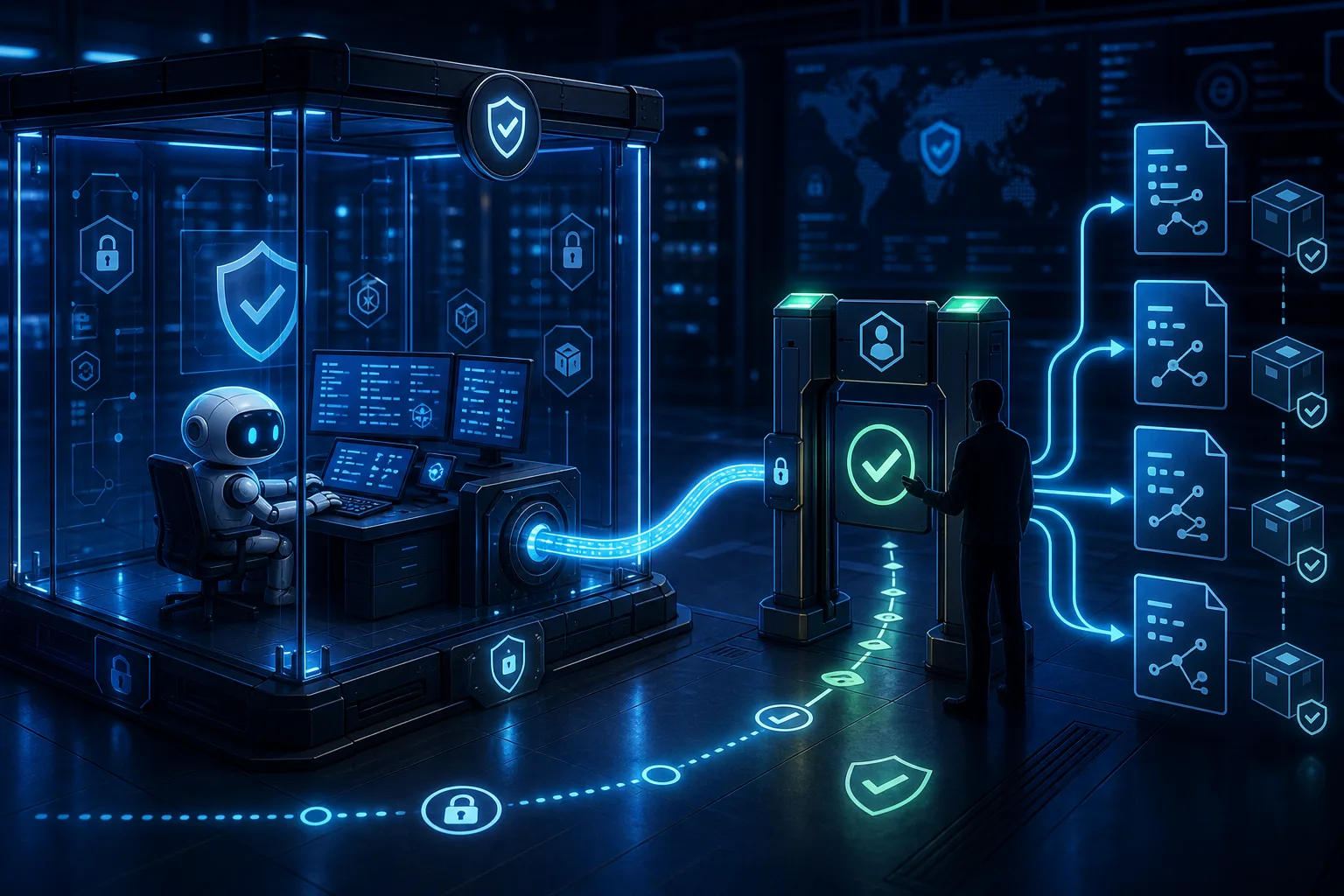
Open source needs a new spam filter for AI-generated pull requests
AI can help contributors, but it also makes low-effort PRs and security reports cheap. Maintainers need rules that protect attention without closing the door.
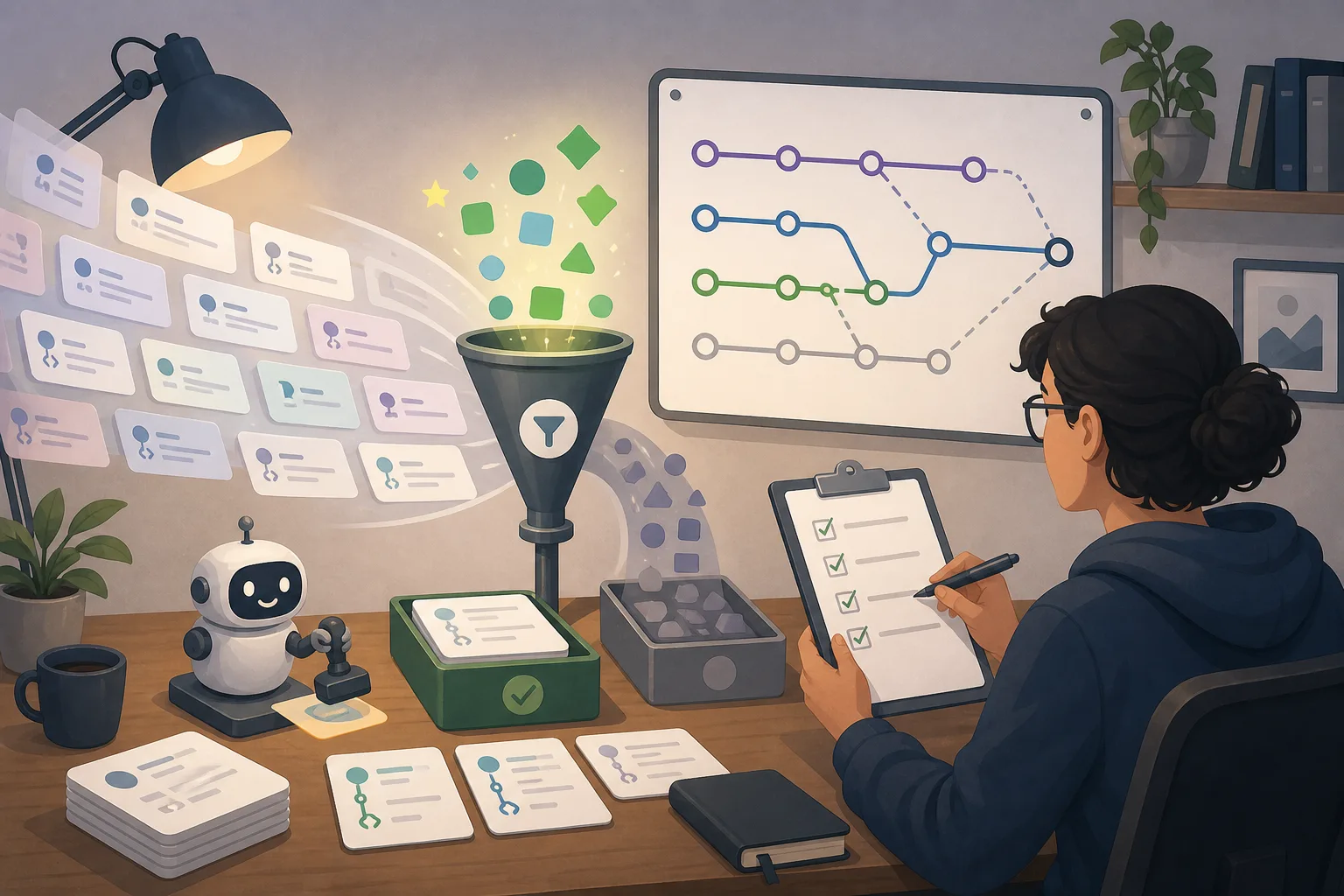
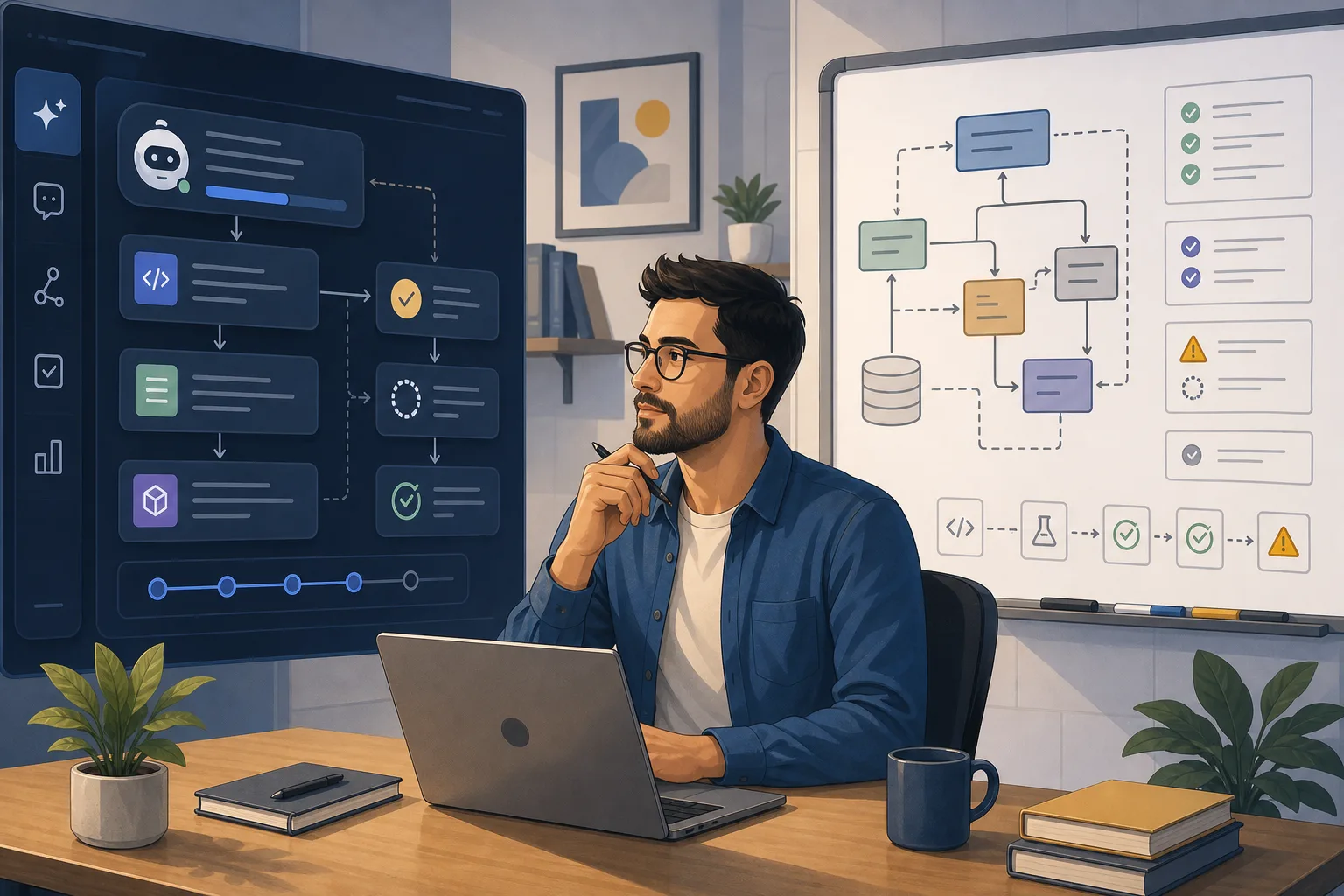
AI coding agents are useful. That is why teams need a policy for expertise
The real risk is not that developers use AI, but that companies measure speed while letting review, training and system understanding fall behind.
Before switching to Gemini for Home, treat it like a whole-home migration
Google’s smart-home AI assistant may make Nest speakers more useful, but the official no-return rule changes the risk. Check devices, people, routines, subscriptions and fallbacks before one click changes the voice layer of the whole home.
Comments
Sign in to comment.
No comments yet.