Robots are learning the boring parts of autonomy first
Construction robots and vehicle labs are moving autonomy away from showroom demos and into measured, supervised work.

Autonomy is getting interesting in the least glamorous places: job sites, test tracks, simulation rooms, and machine yards. Built Robotics and Penn xLAB announced work on physical AI for construction this week, while IEEE Spectrum described how General Motors is using AI to speed vehicle and lunar-rover design. The useful thread is not humanoid spectacle. It is machinery learning to handle constrained, expensive tasks where mistakes can be measured.

The job site is a better test than a stage
Construction is a hard place for robots because it is messy, exposed to weather, and full of humans doing non-standard work. That is also why it is a good test. A robot excavator or autonomous layout system cannot win by looking impressive for two minutes. It has to repeat a task, stop safely, record what it did, and fit into a crew that is already judged by schedule and insurance.
Built Robotics has spent years on autonomy kits for heavy equipment. Penn xLAB brings research muscle around physical AI, the awkward but useful phrase for models that must understand motion, force, space, and consequences. If this collaboration works, the first wins will probably look modest: better site prep, safer repetitive movement, fewer survey mistakes, and machines that know when to hand control back to a human.
Design automation matters too
The GM example points to the other half of robotics progress. Better robots do not come only from better motors and sensors. They come from faster design loops. Engineers can test more shapes, thermal constraints, and control ideas in simulation before hardware exists. That matters for cars, but it matters even more for lunar rovers, where a repair visit is not an option.
The caveat is obvious: simulation is not dirt, dust, vibration, or a tired crew near the end of a shift. A model can narrow the search space. It cannot certify reality by itself. The strongest robotics teams treat AI as a way to generate candidates and catch blind spots, then still demand boring verification.
What readers should watch
The next serious milestone is not a robot that claims general intelligence. It is a robot that can document its work, degrade safely, and make supervisors trust the logs. In construction and field robotics, accountability is part of the product. If a machine digs the wrong trench, nobody wants a poetic explanation. They want coordinates, timestamps, sensor data, and a clear reason the system made that choice.
The practical takeaway: autonomy is arriving first as a disciplined assistant to existing machinery. That may sound less dramatic than robot coworkers. It is also more believable.
Related articles
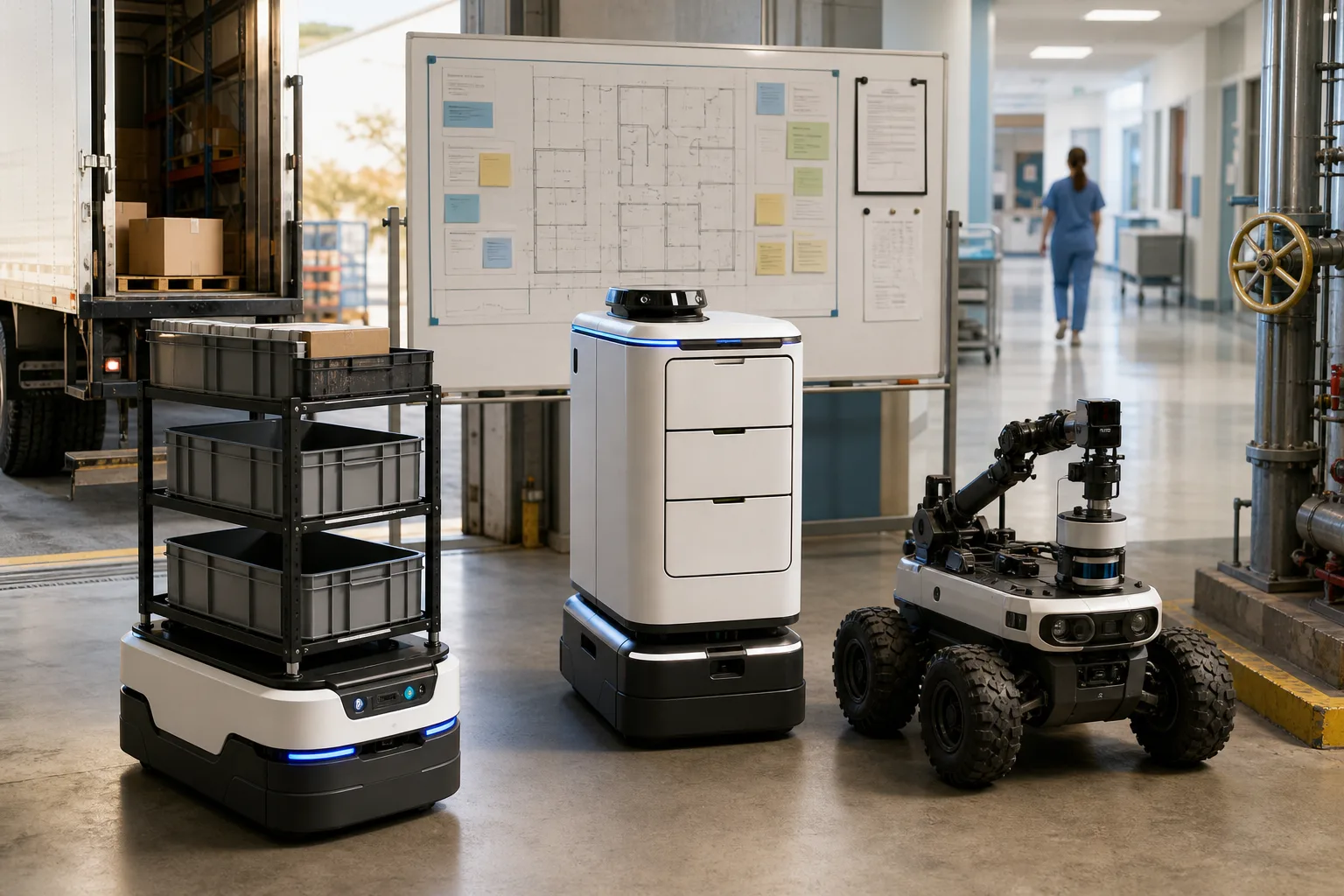
Service robots need operations before hype
A grounded robotics article about why service robots succeed through route design, support, safety cases and unglamorous operations.
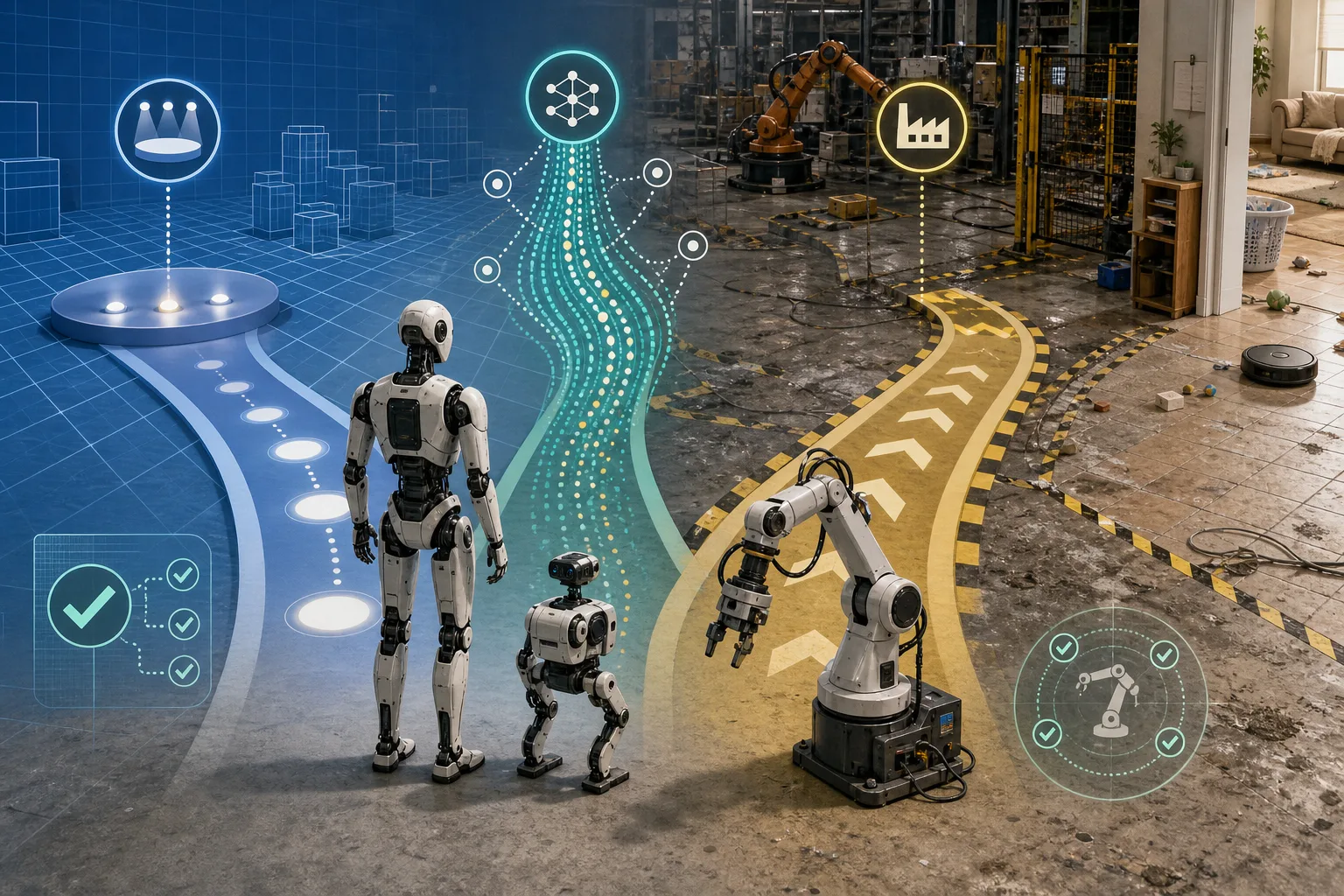
Robotics is still waiting for reliability, not another demo video
Physical AI has better models, cheaper developer robots and stronger industrial demand. The missing breakthrough is not spectacle — it is dependable work in messy real environments.
The map under the robot: how game scans became navigation infrastructure
Crowdsourced AR scans can help delivery robots find a curb — and raise harder questions when the same visual maps move toward GPS-denied drone navigation.

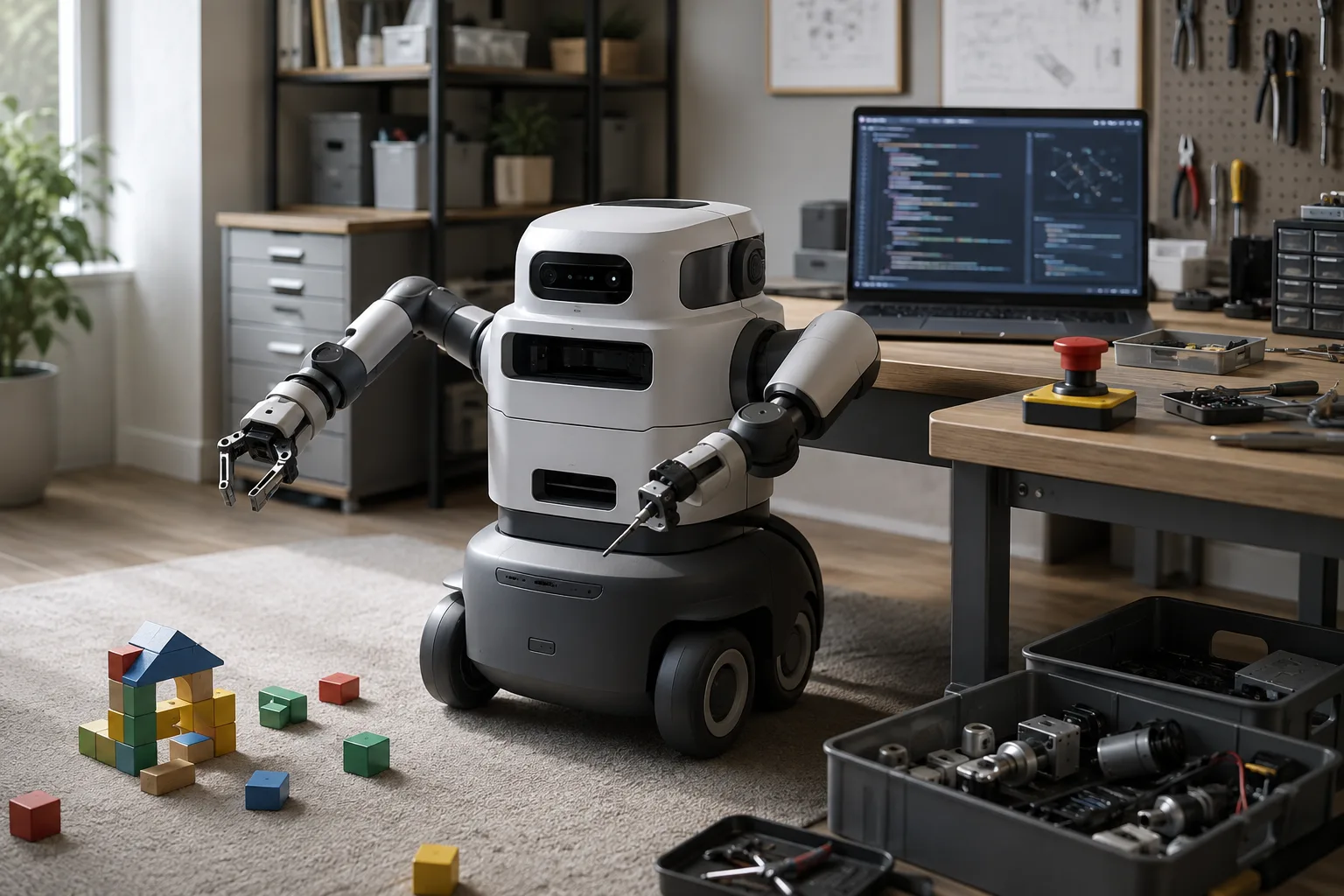
Nori A3 turns low-cost home robotics into a developer test
Nori’s $1,688 A3 should not be read as proof that household robots are solved. Its real importance is narrower and more useful: a low-cost bimanual platform that could let more developers test manipulation, autonomy and safety in ordinary indoor spaces.
Comments
Sign in to comment.
No comments yet.