Service robots are leaving the demo stage slowly
A grounded look at why mobile robots in kitchens, warehouses, and public spaces are improving through narrower jobs rather than grand promises.

The most useful robotics stories right now are not about humanoids taking over every task. They are about machines getting slightly better at narrow jobs: moving items through warehouses, carrying trays, inspecting aisles, cleaning floors, or working near a kitchen counter without getting in everyone’s way.
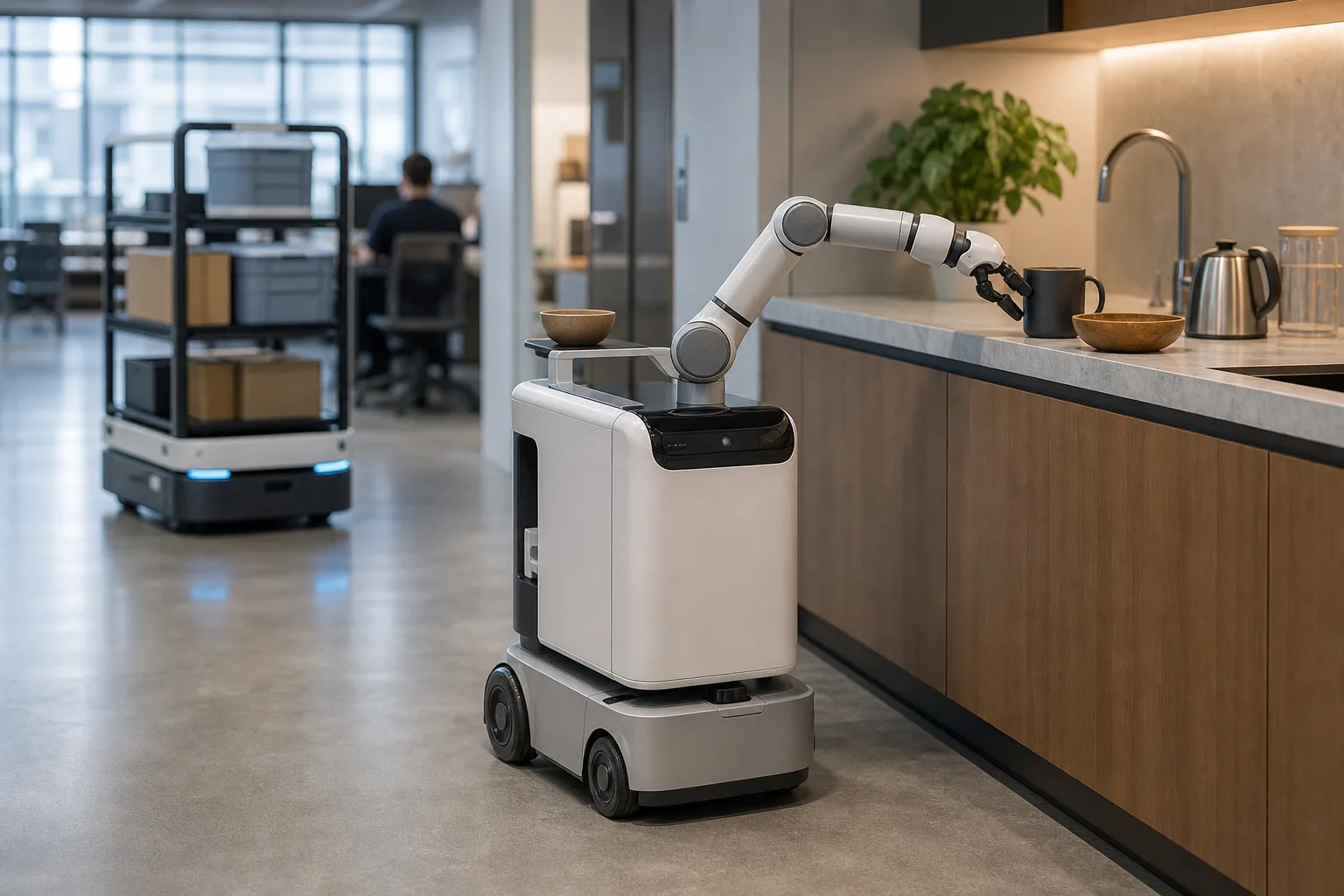
IEEE Spectrum’s recent robotics coverage captures that mood well. The question is less “do robots need legs?” and more practical: what body, sensor set, and workflow let a robot do one job reliably enough that people stop treating it as a demo?
Wheels still win many boring jobs
Legged robots are impressive because they handle stairs, uneven ground, and human-shaped spaces. But many commercial environments are designed around wheels, carts, flat floors, elevators, ramps, and predictable paths. In those places, a wheeled robot can be cheaper, safer, and easier to maintain.
That does not make legged machines useless. It means buyers should match form to job. A restaurant runner, hospital courier, or warehouse cart does not need to look like a person. It needs to arrive, avoid people, and recover gracefully when something blocks the route.
The hard part is the edge case
Robotics progress often looks slow because the last ten percent is brutal. A robot can work beautifully in a video and still fail when a chair is moved, lighting changes, a child runs across its path, or a human gives it an object at the wrong angle.
This is why deployments improve through constraints. Limit the task, map the environment, train staff, add remote assistance, and measure failures honestly. That sounds less exciting than a general-purpose robot, but it is how automation becomes boring enough to trust.
Humans stay in the loop
The better near-term systems do not remove people. They shift work. A robot can take the long walk down a corridor while a nurse stays with a patient. It can move bins while a warehouse worker handles exceptions. It can clean predictable routes while staff handle spills and blocked areas.
The question for employers is whether that shift improves the job or simply adds supervision to already stretched workers. A robot that saves steps is useful. A robot that constantly needs rescue becomes another colleague with no common sense.
What to watch next
Look for deployments with numbers: uptime, completed trips, intervention rates, maintenance cost, and worker feedback. Ignore videos that show only the perfect run. Real robotics is measured in repeated Tuesday afternoons, not launch-day applause.
Service robots are moving forward. Just not in the theatrical way people keep expecting. The useful machines will be the ones that make a narrow task quietly less annoying.
Related articles
Gemini Robotics 2 is impressive, but physical AI still has to prove itself outside the demo
DeepMind’s new robotics models point toward more capable robot agents, but public access, safety, hardware and economics still separate the demo from deployment.
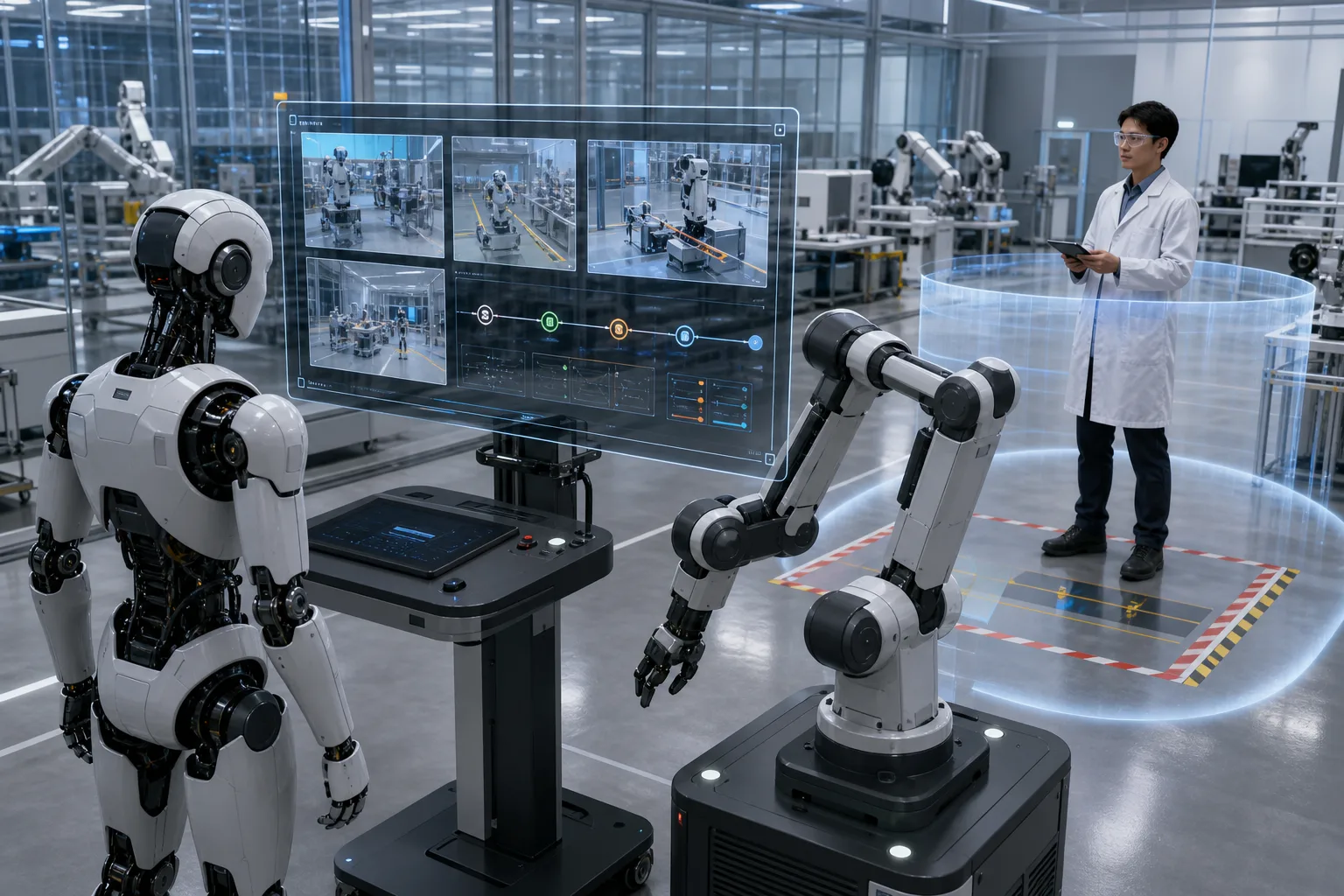
When a Thermal Camera Becomes “Military-Grade”: The FCC’s DJI Drone Fight Is Really About Working Robots
A proposed FCC restriction on previously authorized foreign-produced drones puts LiDAR, thermal imaging and autonomous docks at the center of a broader argument about dual-use robotics.
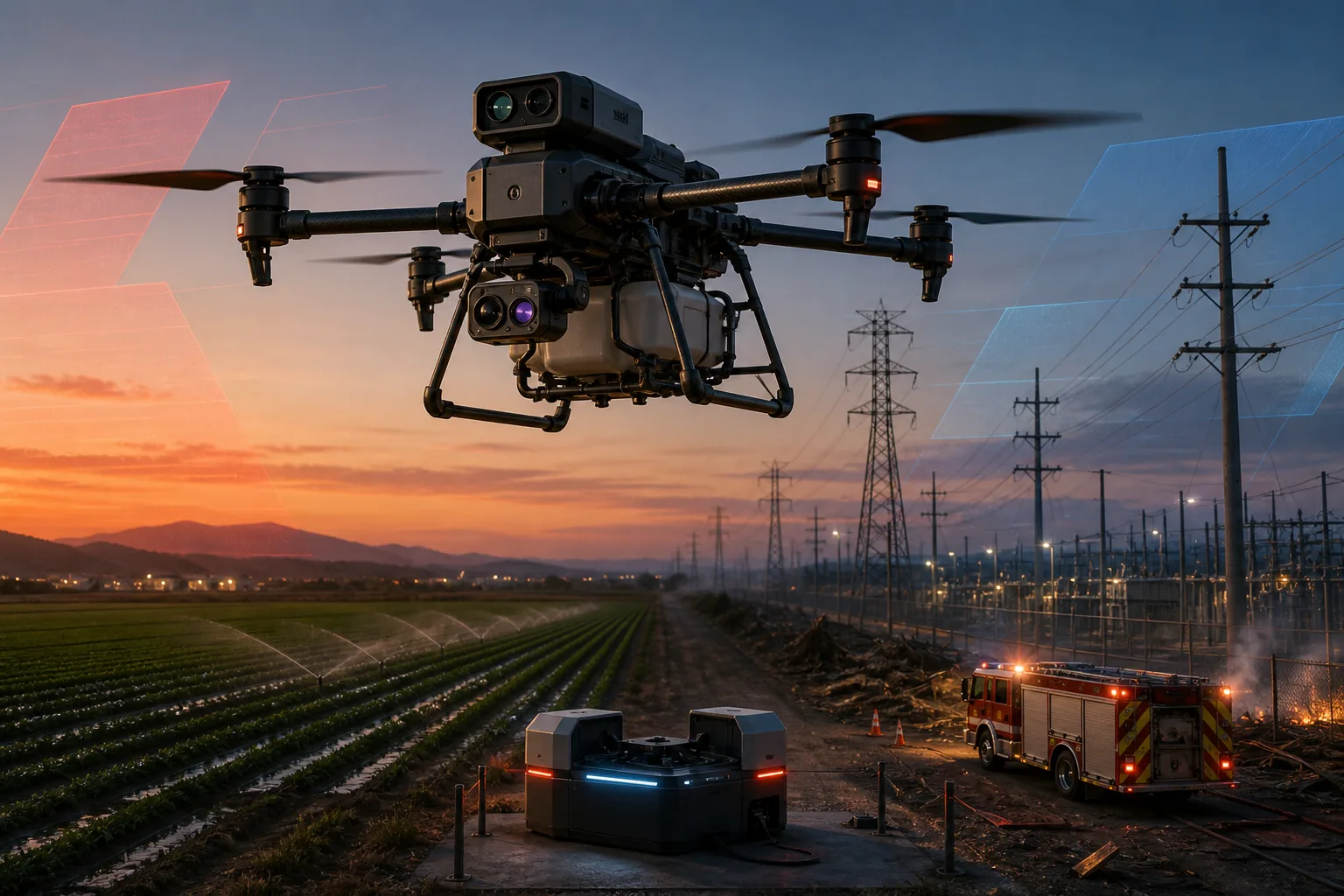
Robotaxis at the school gate: what the Waymo probe really tests
NHTSA’s redacted Waymo file turns a low-speed Santa Monica collision into a bigger question about robotaxi caution and public evidence.
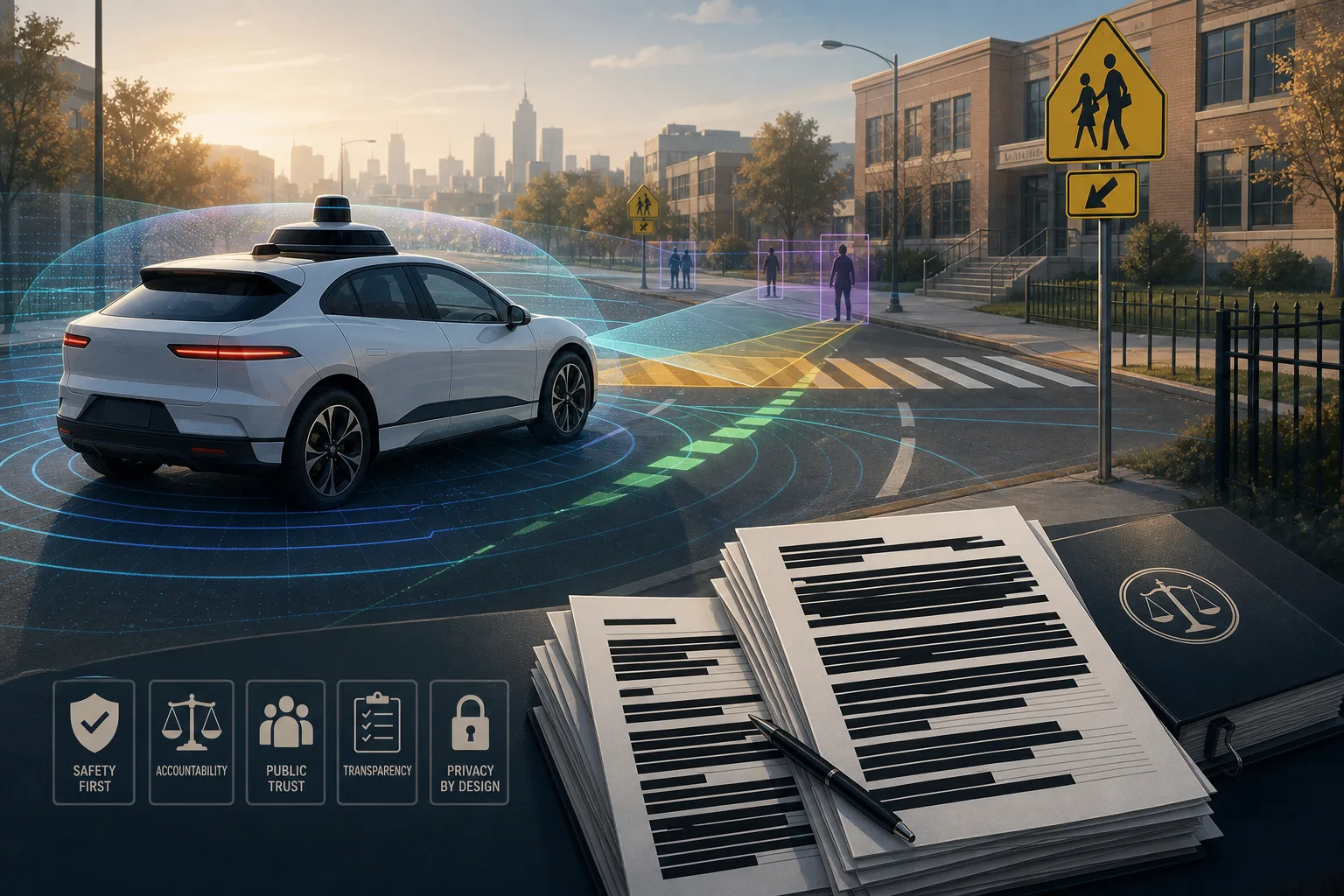

OpenArm 2.0 makes reproducible physical-AI experiments the real open-source project
OpenArm 2.0 is more than a seven-degree-of-freedom arm. Its value is the attempt to connect open hardware, ROS 2, simulation, teleoperation, datasets, and a shared evaluation cell into a workflow that other labs can actually repeat.

Comments
Sign in to comment.
No comments yet.