Роботакси стали спором о том, кто пишет правила улицы
Uber, Waymo, Tesla, Нью-Джерси и NHTSA превращают автономные такси из технологического запуска в проверку городской политики.

Роботакси перестали быть демонстрацией технологии. Теперь это спор о том, кто пишет правила улицы.
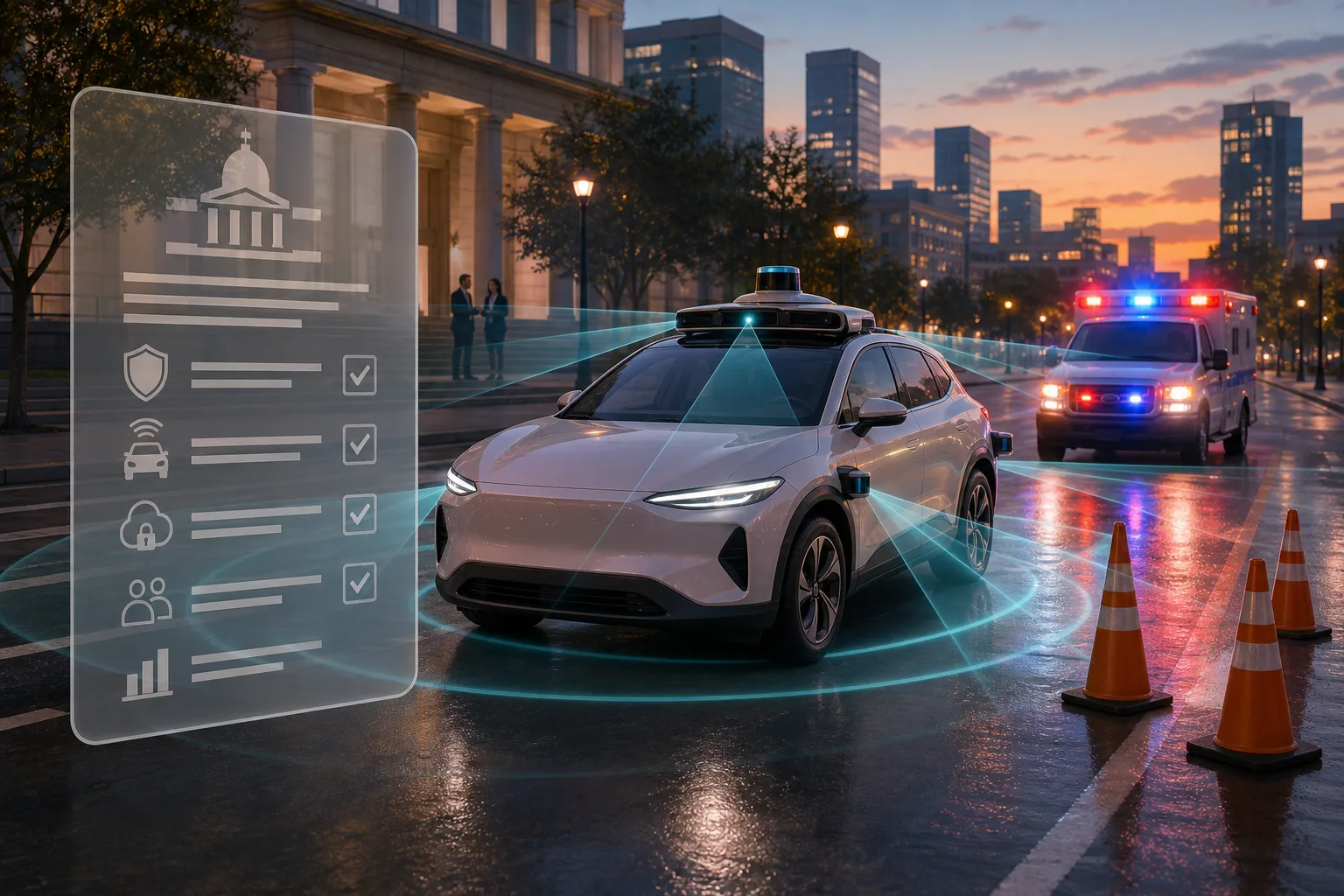
Последняя неделя показала это особенно ясно. В Вашингтоне Uber и Waymo спорят о законопроекте, который должен открыть путь коммерческим driverless operations. В Нью-Джерси обсуждают pilot program, где fully autonomous vehicles должны иметь cameras plus two other sensing technologies, что напрямую задевает camera-only подход Tesla Robotaxi. А NHTSA на федеральном уровне предупредила разработчиков driverless systems: если машина блокирует полицию, скорую или пожарных, это не редкий edge case, а functional insufficiency.
По отдельности это выглядят как локальные процессы. Вместе они показывают новый этап автономного транспорта. Вопрос уже не только в том, может ли робот ехать. Вопрос в том, кто решает, когда робот имеет право выйти в город, какие sensors он должен иметь, как он ведёт себя рядом с emergency services, сколько платит за дороги и сохранят ли старые ride-hailing platforms контроль над рынком.
В Вашингтоне роботакси стали спором о платформе
D.C. bill должен обновить Autonomous Vehicle Act of 2012 и создать путь для driverless testing and commercial driverless operations. TechCrunch пишет, что DDOT получит право выдавать permits AV developers, если те выполняют требования по insurance, crash reporting and fees.
Цифры важны: минимум $5 million liability insurance, crash reporting within eight or 72 hours depending on vehicle type, $0.15 per mile vehicle-miles-traveled tax, $1 million application fee and $5 million non-refundable permit fee after approval. Half of VMT tax revenue would go to public transit, the rest to education and workforce development for ride-share and taxi drivers.
Uber выступает против текущей версии. Его позиция: robotaxis не должны создавать закрытый first-party market, где компания вроде Waymo управляет и машинами, и приложением, и customer relationship. Uber продвигает hybrid network: пассажир должен видеть human-driven and driverless rides in one ride-hailing platform.
Waymo смотрит иначе. По TechCrunch and WIRED, компания не поддерживает rules that force AV operators into a specific network type. Waymo wants to operate directly, not only through an incumbent ride-hailing intermediary.
И это главный бизнес-конфликт. Uber хочет быть marketplace for human and robot rides. Waymo хочет свободу быть самостоятельным robotaxi operator.
Нью-Джерси переводит спор в hardware
New Jersey S1677 — другой тип конфликта. The Verge пишет, что bill creates a three-year pilot program for fully autonomous vehicles and requires cameras plus two other sensing technologies, usually lidar and radar. It would also require supervised testing miles and state authorization before fully driverless commercial service.
Если закон пройдёт в таком виде, New Jersey станет первым штатом с hardware mandate для fully autonomous vehicles. Практический эффект понятен: текущая camera-only Robotaxi architecture Tesla не пройдёт требования без изменения hardware or bill language.
Сенатор Andrew Zwicker сказал The Verge: "This is not anti-Tesla. I'm pro-New Jersey safety." Он также сообщил, что его офис получил около 4,000 emails in one day after Tesla urged owners to respond. Это важно: robotaxi policy уже mobilizes brand communities and voters.
Под спором Tesla есть серьёзный policy question. Должен ли штат прямо указывать sensors, or set measured safety outcomes and let companies choose the stack? Sensor-fusion advocates argue that cameras, radar and lidar fail differently, so redundancy is prudent. Camera-only advocates answer that mandates freeze today's assumptions into law and can block cheaper approaches that may later prove safe.
Обе тревоги реальны. City is not obligated to be a test track for every low-cost architecture. Но закон, который слишком точно называет hardware, может быстро устареть.
Идея Uber про 85 percent показывает трудовой конфликт
WIRED reported that Uber lobbyist circulated language in New Jersey requiring driverless ride-hailing platforms to have human drivers serve 85 percent of rides for three years. Uber says it was trying to address labor opposition and avoid monopolies. Critics see another motive: such a rule would make pure robotaxi operators enter through existing platforms.
Здесь дискуссия становится сложнее. Human drivers действительно рискуют доходами. Cities and states should not pretend labor impact is imaginary. Но правило, которое закрепляет most rides for human drivers, can also become market protection dressed as transition policy.
Правильный вопрос не в том, нужно ли защищать водителей. Нужно. Вопрос в инструментах: training funds, transition payments, operating fees and labor standards, or rules that make autonomous competitors dependent on companies they may disrupt.
NHTSA: emergency scenes are not edge cases
Федеральный сигнал может быть самым важным для robotics teams. TechCrunch reported on NHTSA's July 8 letter to driverless ADS developers. Агентство пишет, что видит clear pattern of driverless AVs interfering with law enforcement and other first responders: vehicles entering active emergency scenes, blocking ambulances or firefighters, failing to respond to flashing lights, flares, smoke, fire and traffic cones.
Формулировка NHTSA жёсткая: inability to detect and respond appropriately is a functional insufficiency. Emergency scenes are not rare edge cases.
Эта фраза должна изменить язык индустрии. Robotaxi that drives well on a normal street but freezes near a fire truck is not almost finished. It is missing a public-infrastructure skill. Города живут исключениями: roadwork, detours, emergency vehicles, police direction, crowds, flooding, temporary signs. Deployment plan that treats those as afterthoughts is not a city plan.
NHTSA не назвала specific companies. TechCrunch notes the context points toward robotaxi operators, and Waymo declined to comment. Главное — стандарт: AV должны показать coexistence with emergency response, not merely ordinary collision avoidance.
Regulation becomes robotics infrastructure
Robotaxi companies often frame regulation as friction. Иногда это правда. Bad law can protect incumbents, freeze hardware choices and delay useful mobility. Но good regulation is also part of the robotics stack.
City needs to know how many vehicles will cruise empty, where they can stop, how they report crashes, how they pay for road use, how they handle disabled passengers, what happens when they block an ambulance, and who answers the phone when a vehicle is stuck. Это не anti-robot questions. Это operating system of public roads.
D.C. proposal tries to price road use and fund transit/workforce transition. New Jersey bill tries to set a safety floor through sensor redundancy. NHTSA pushes industry to treat first responders as core requirement. У каждого подхода есть слабые места. Но все они говорят одно: autonomy leaves the lab through permits, taxes, insurance, crash reports and public-safety procedures.
Кто выигрывает, зависит от модели
Если D.C. примет rules friendly to direct AV operators, Waymo and similar companies get clearer route to market. Если district or states require hybrid networks, Uber and Lyft keep central role even as vehicles become driverless.
Если New Jersey passes sensor mandate, Waymo and Zoox-style sensor fusion looks validated by law, while Tesla camera-first approach faces legal barrier. Если lawmakers shift to performance rules, Tesla gains room to argue measured safety matters more than hardware design.
Drivers and unions face different calculation. Slow rollout may protect income short term. But if rules mainly preserve platform control, workers may lose leverage later, after market structure is already set.
Passengers also have mixed interests. Robotaxis could improve late-night mobility and serve people who cannot drive. They could also worsen congestion, fail disabled riders needing physical assistance, or skip neighborhoods if deployment follows only profitable demand.
Emergency services have the clearest demand: do not get in the way. Sounds simple until a robot must read smoke, cones, hand signals, sirens, blocked lanes and human improvisation at once.
Следующий прорыв может быть юридическим, не техническим
Robotaxi progress still depends on sensors, maps, machine learning, remote assistance and fleet operations. Но bottleneck is moving. Next expansion may depend less on neural network benchmark and more on whether a city council trusts the operator, whether a state accepts its sensor stack, whether federal regulators believe it handles emergency scenes, and whether labor groups see the transition as fair.
This does not make the technology less impressive. It makes the product more real.
Robotaxi is not just a car without a driver. It is a participant in public infrastructure. At that stage, the rulebook is not a side document. It is part of the machine.
Related articles
Карта роботакси — ещё не сервис
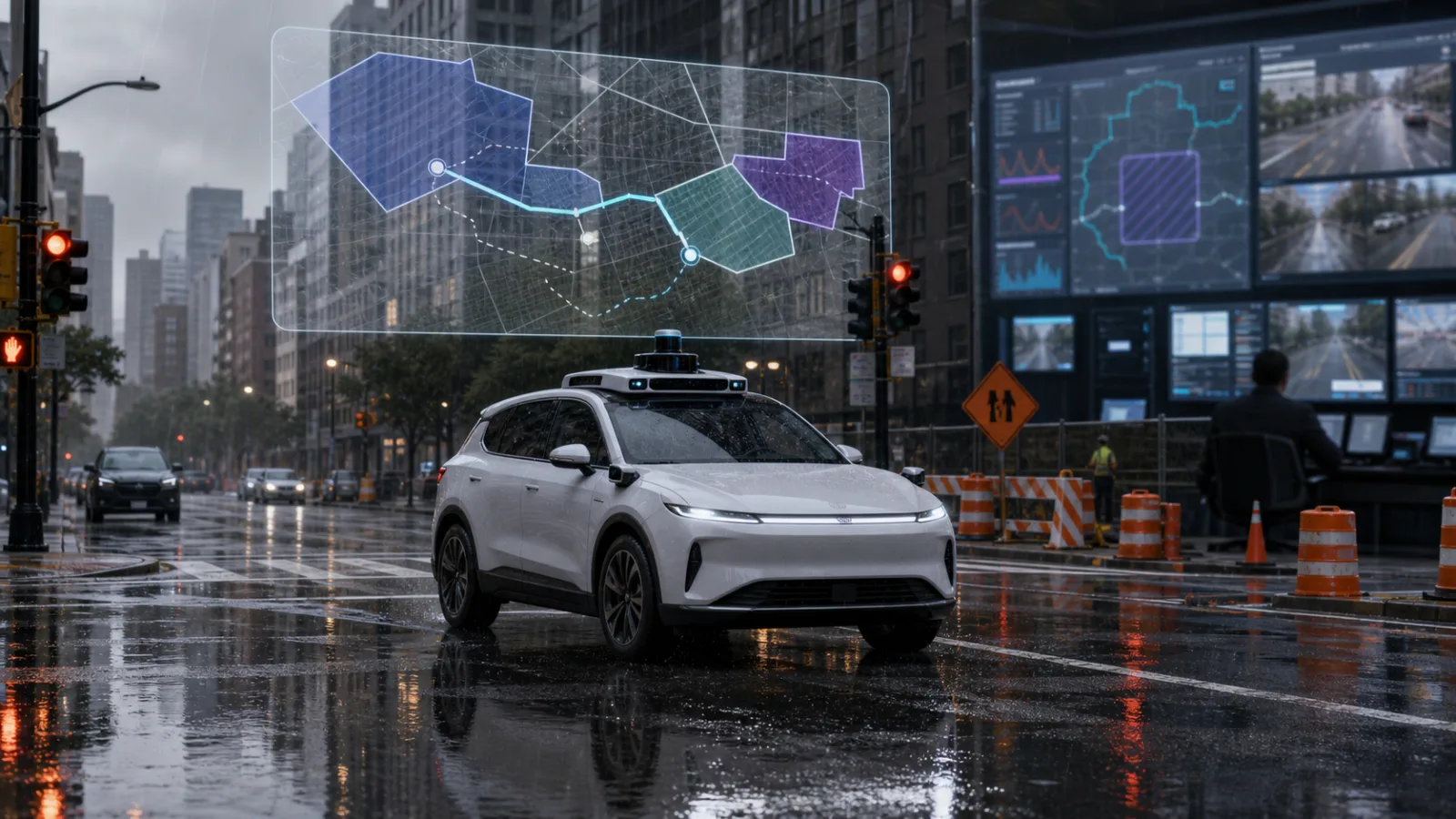
Геозона Tesla в Miami и recall Waymo из-за стоячей воды показывают: главная гонка роботакси теперь не за новые карты, а за доказанный operational design domain.
Роботакси упёрлись не только в AI, но и в городские правила
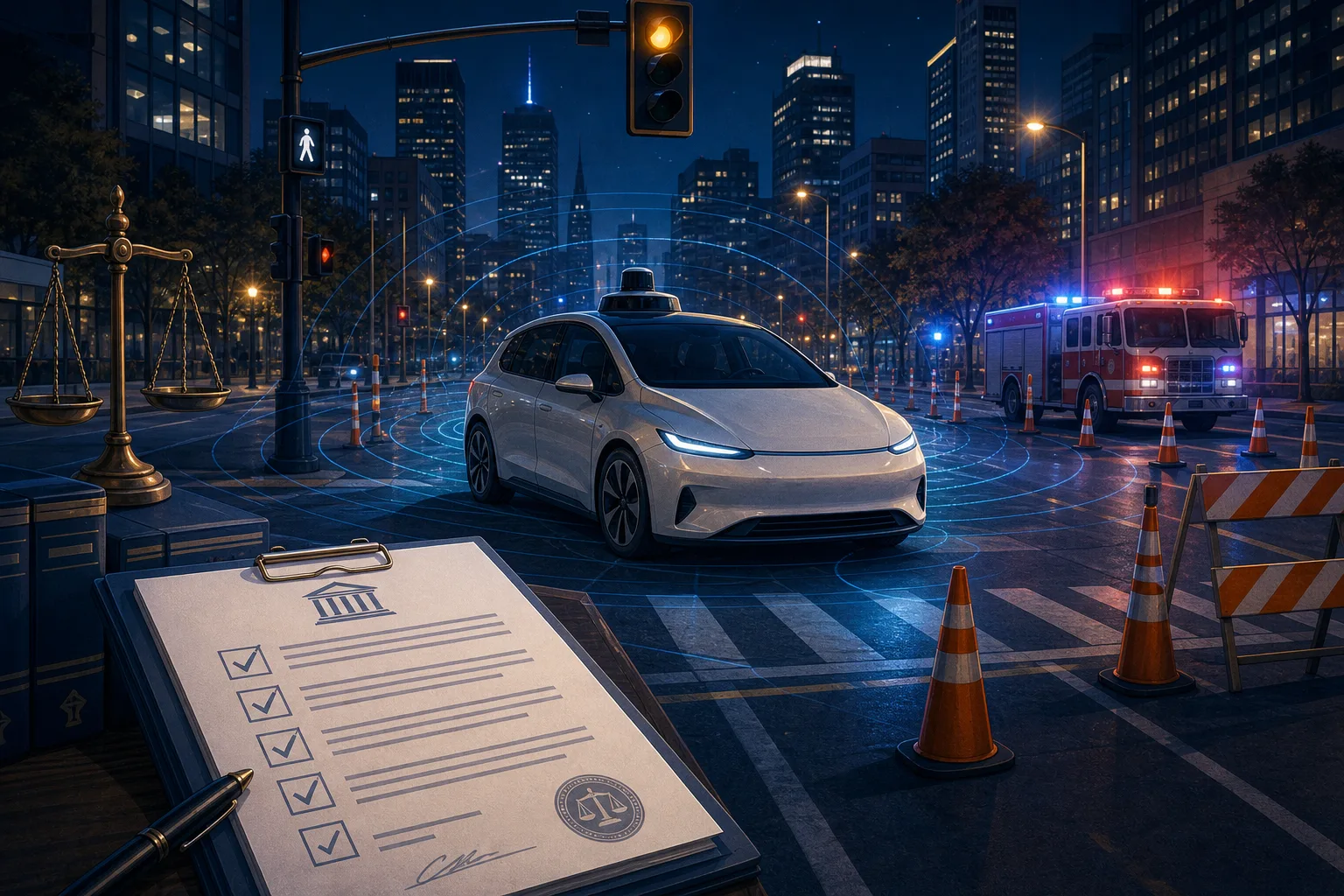
Uber, Waymo, Tesla и регуляторы превращают автономные такси в спор о сенсорах, труде, emergency response и контроле над рынком поездок.
Дроны не убили танк: они изменили робототехнику вокруг него
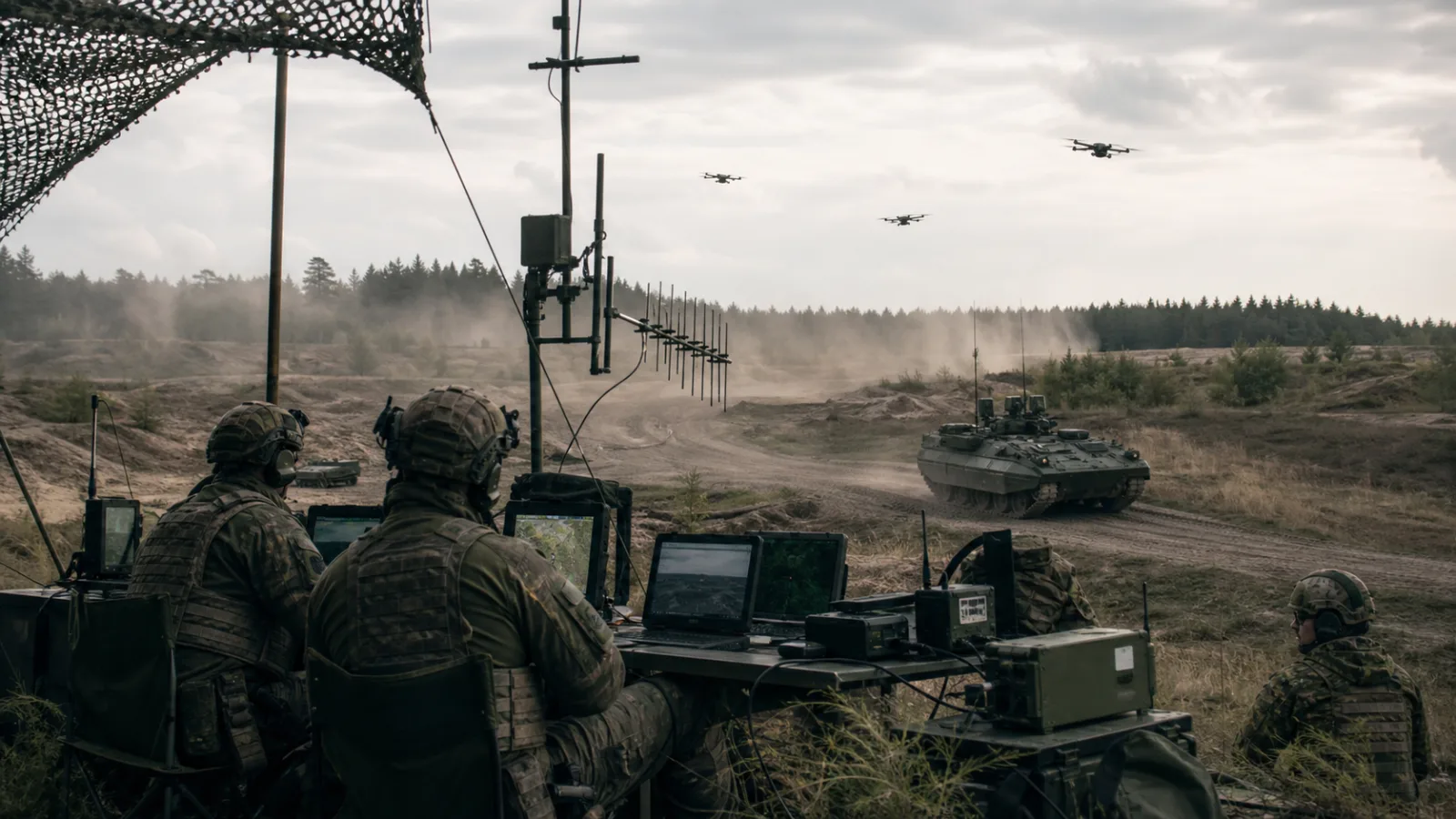
Combined Resolve и Aurora 26 показывают, почему малые дроны, операторы и быстрые контуры обучения стали не менее важны, чем тяжёлые машины.
Карта под роботом: как игровые сканы стали инфраструктурой навигации
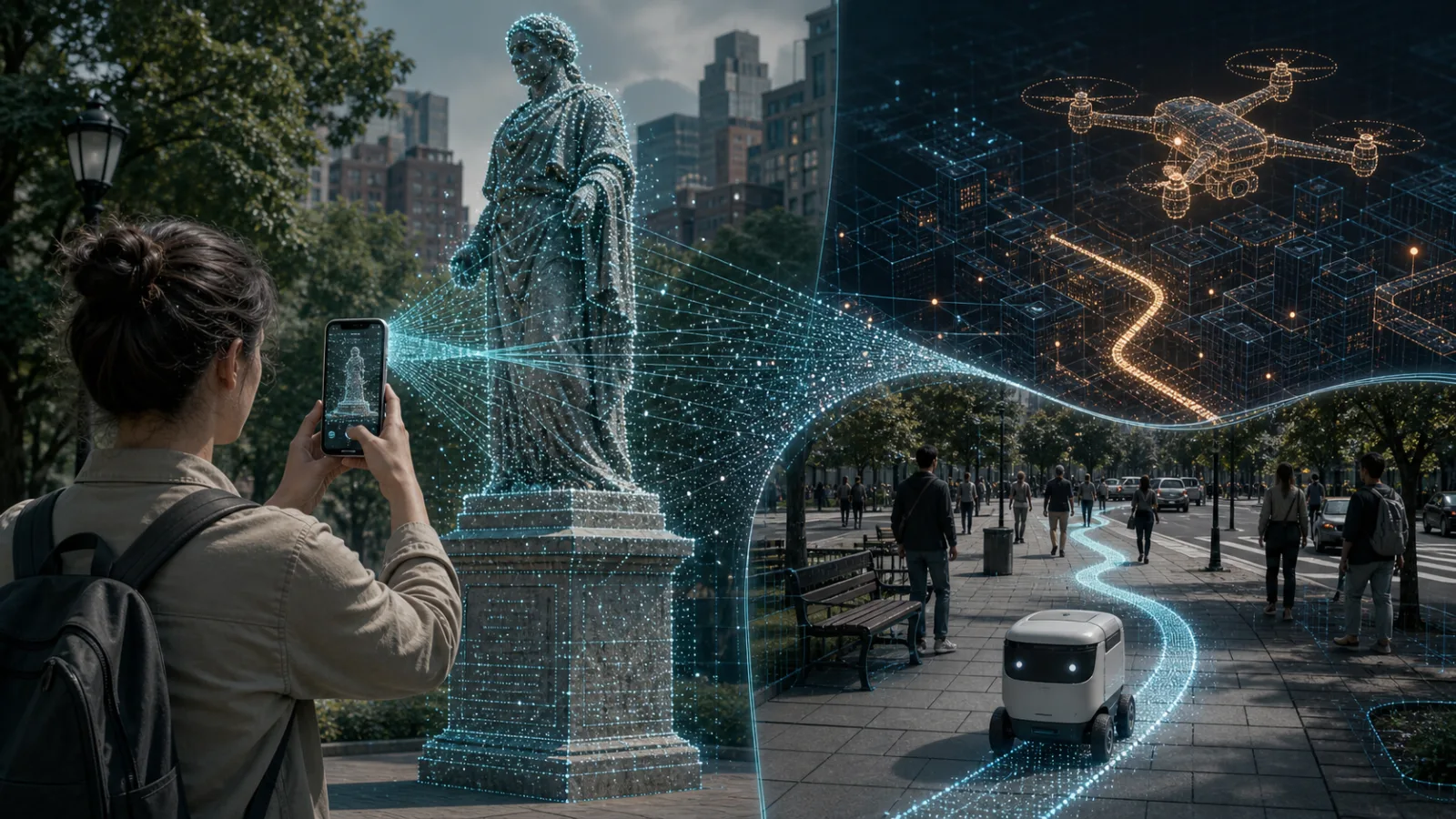
AR‑сканы помогают роботам доставки ориентироваться на тротуарах, но та же визуальная карта вызывает вопросы о согласии, оборонных партнёрах и праве города на собственные данные.
Comments
Sign in to comment.
No comments yet.