Robots and Autonomous Systems
Latest publications
AGIBOT’s Worken Metric Asks Whether Robots Deliver Work, Not Just Shipments
AGIBOT’s new Worken proposal tries to measure useful robot output through active units, autonomous hours and task efficiency. The practical question is whether a company-defined metric can become a credible tool for comparing deployments and calculating ROI.
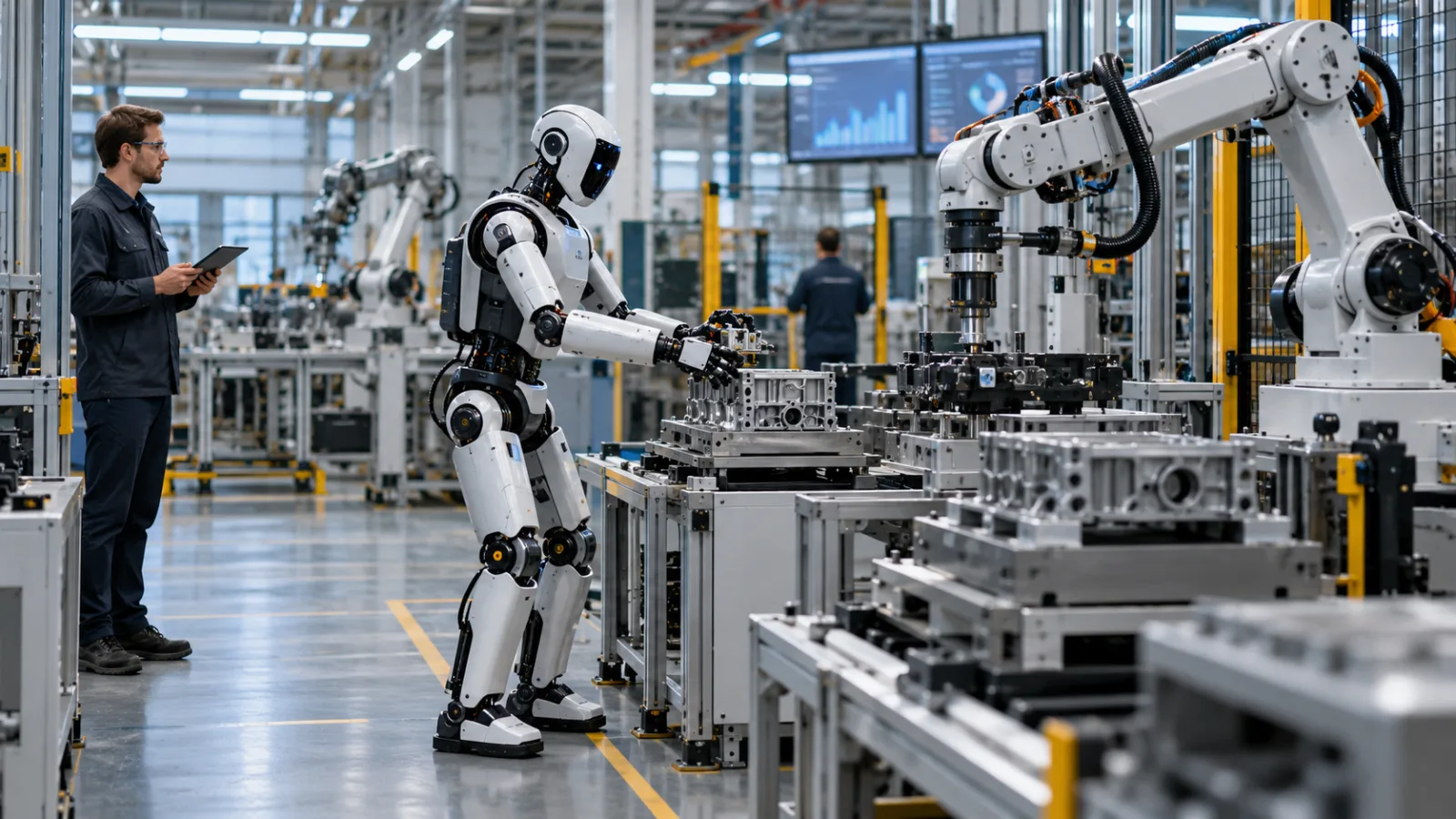
GXO’s Digit Expansion Tests Whether Humanoid Robots Can Become a Repeatable Warehouse Service
GXO plans to add Digit robots at two U.S. sites after reporting more than 100,000 totes moved in Georgia. The meaningful test now is not whether a humanoid can work, but whether the deployment model can be repeated without hiding its operational limits.
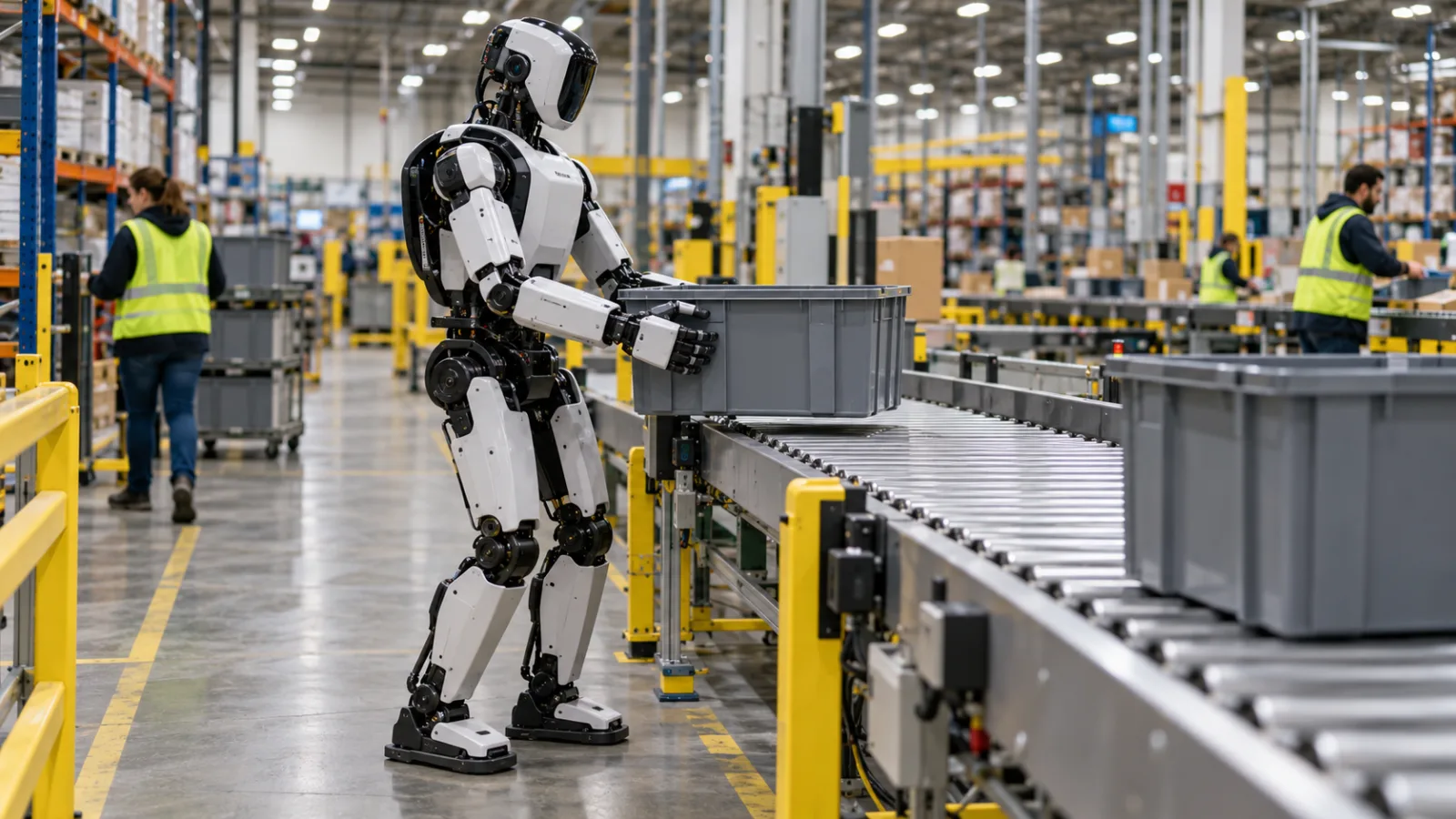
Microduck’s Viral Moment Turns a $399 Biped into a Test of Accessible Robot Learning
Pollen Robotics’ Microduck is small, inexpensive by robotics standards, and open at the software level. Its sudden preorder surge after NVIDIA’s Berlin keynote raises a more useful question than whether it is cute: can a low-cost robot become a practical platform for learning physical AI?
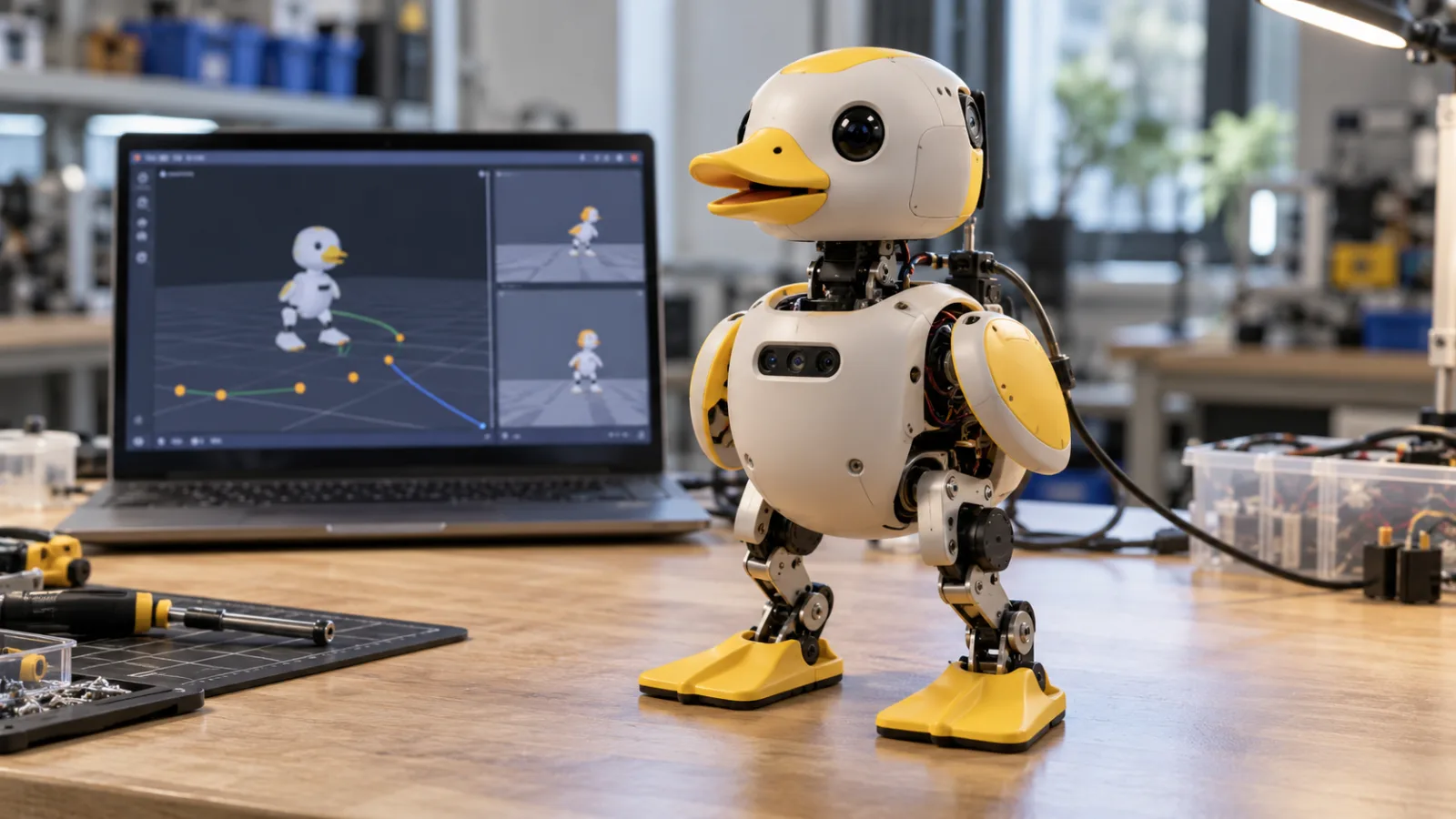
Agility’s Digit 5 Battery Bet Turns Charging Time into a Warehouse Scheduling Problem
Agility says Digit 5 can work for 90 minutes and recharge in nine. The important test is not the headline ratio but whether fast charging, fleet software, safety controls, and battery life produce dependable warehouse throughput.
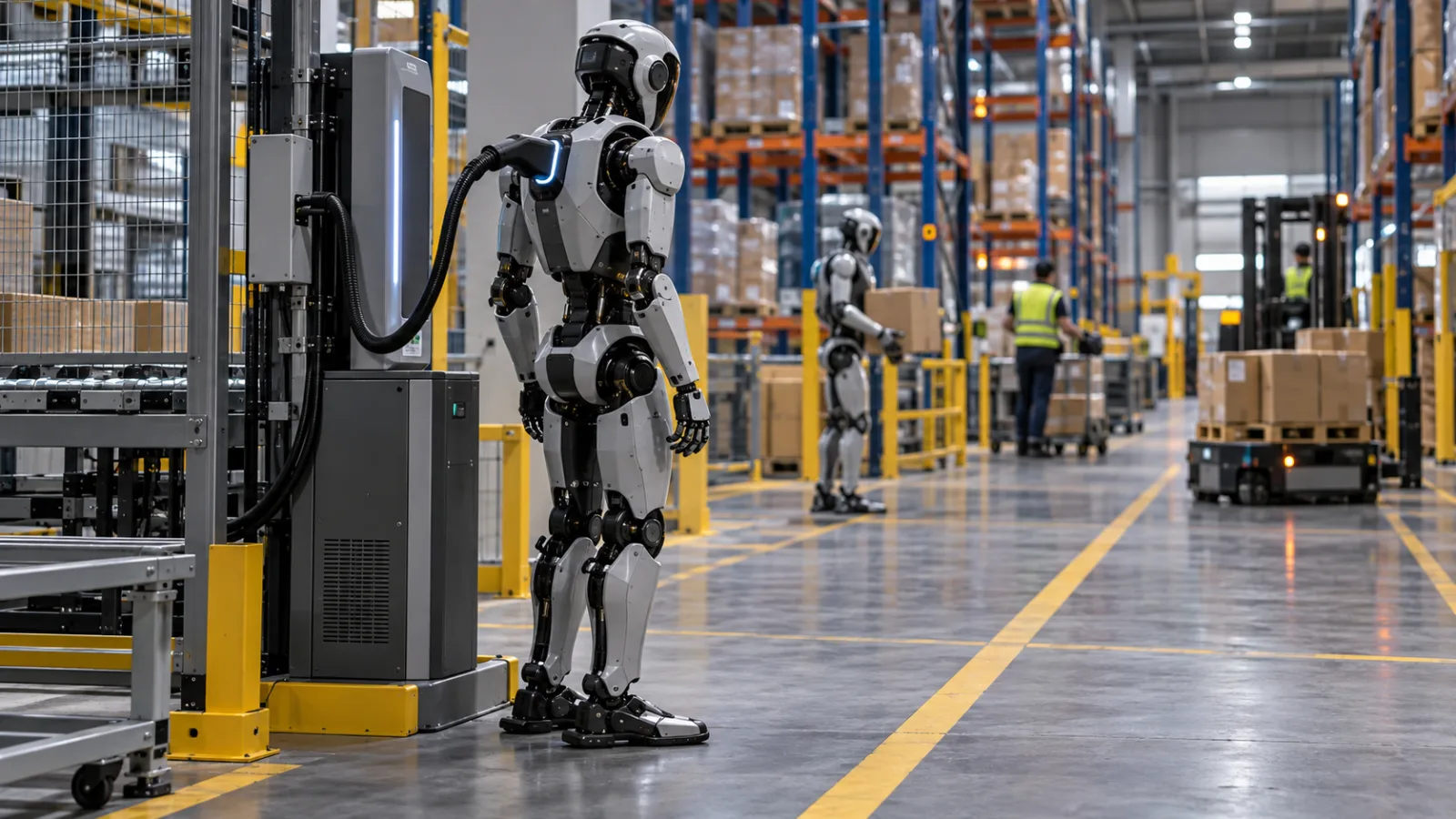
ABB’s AI Robot Trainer Moves Factory Vision from Specialist Project to Managed Workflow
ABB’s new AI Robot Trainer targets a quiet bottleneck in industrial robotics: keeping vision systems accurate after the factory, products and lighting change. The promise is easier retraining, not hands-off autonomy.
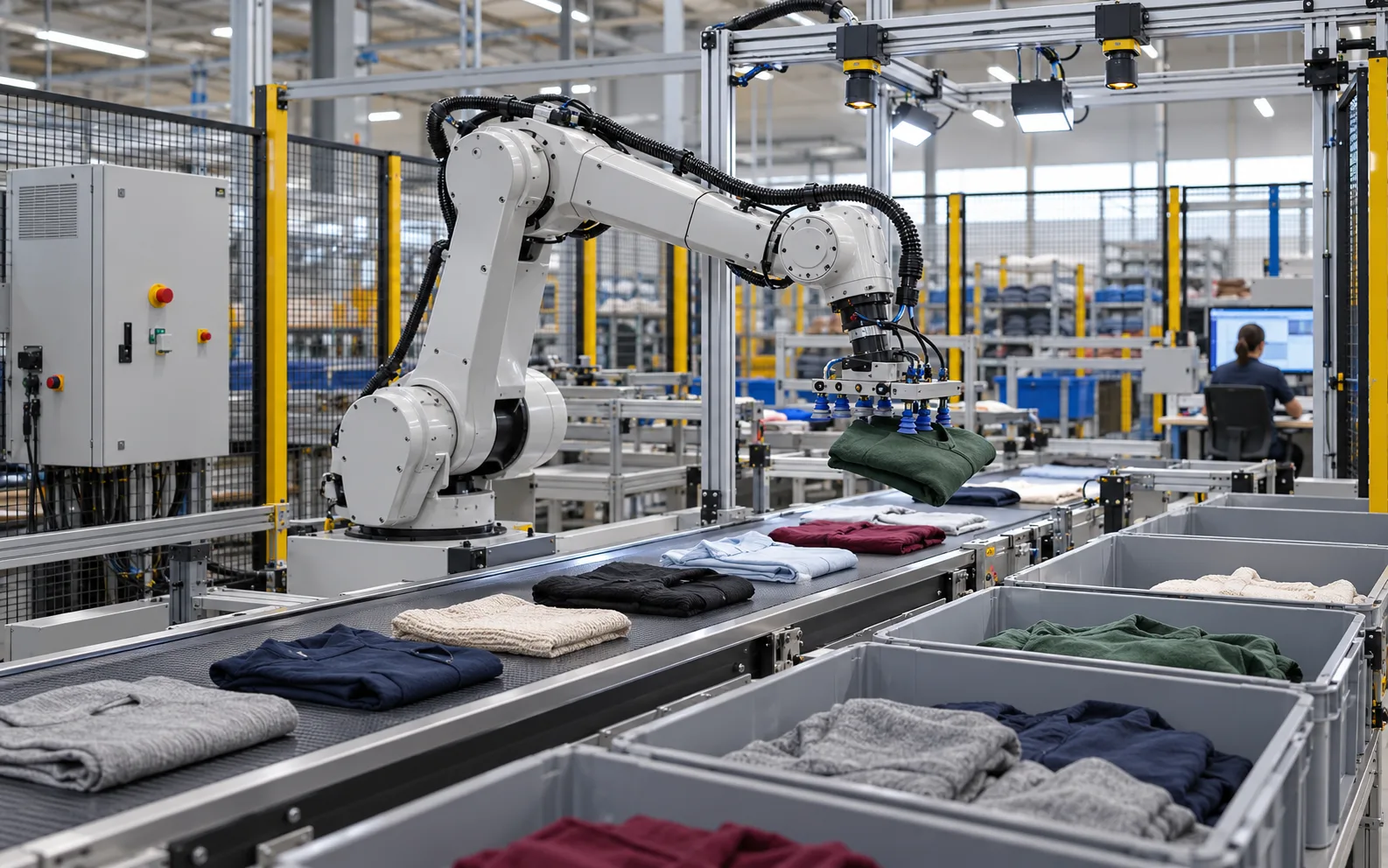
MIT’s SANDO Drone Planner Makes a Narrow Safety Guarantee Matter
MIT’s SANDO planner is a serious step toward safer drone navigation in unknown, changing spaces. Its real importance lies in the assumptions it makes explicit—and in the operational problems a theorem cannot solve.
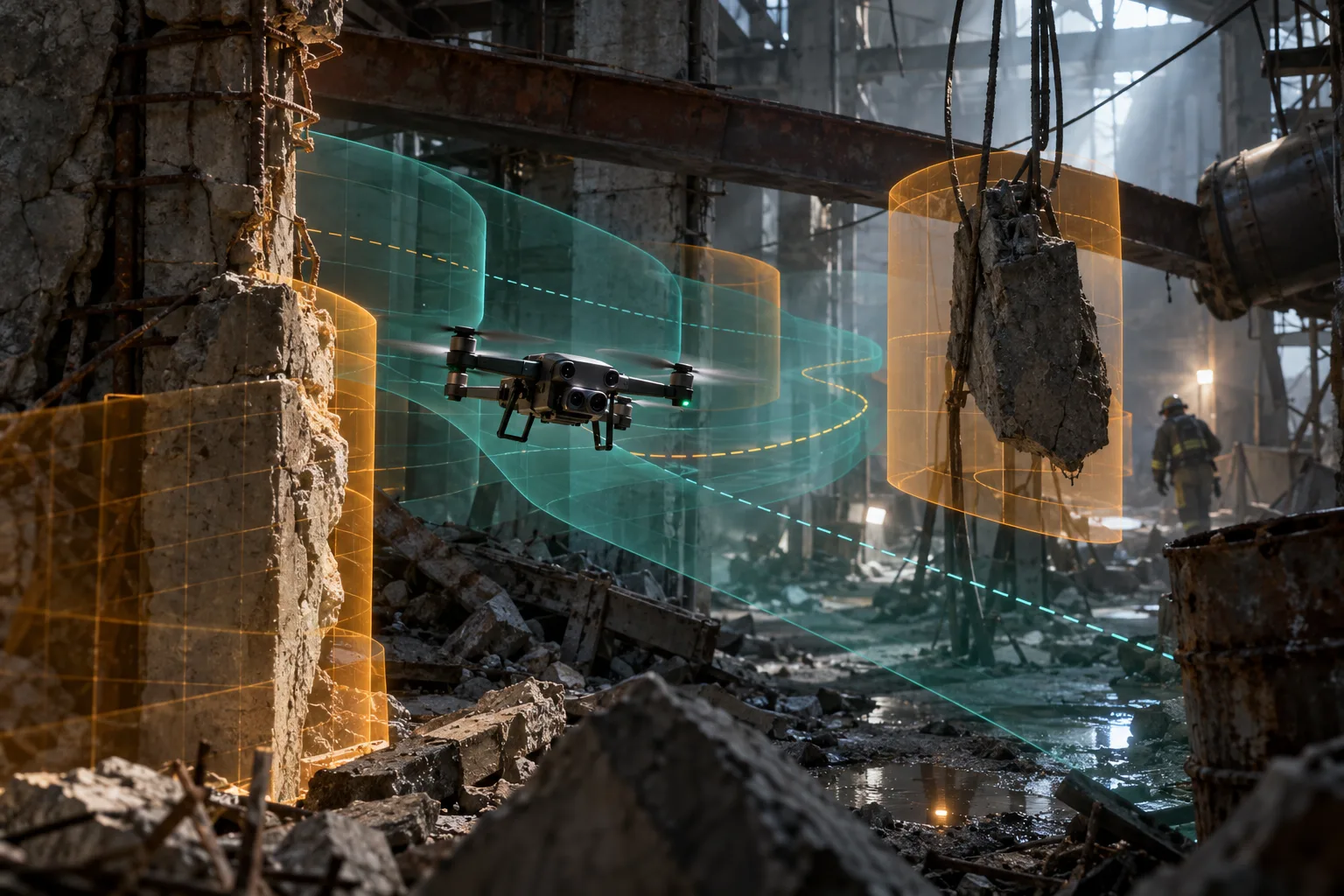
Danu’s H.E.R.O. recycling robot tests whether small retrofits can beat the rebuild
Danu Robotics is taking a focused route into physical AI: a compact robot that sorts mixed waste inside existing recycling facilities. Its real test is not a demo pick, but whether bin-level recovery data can justify repeatable, safe and affordable deployment.
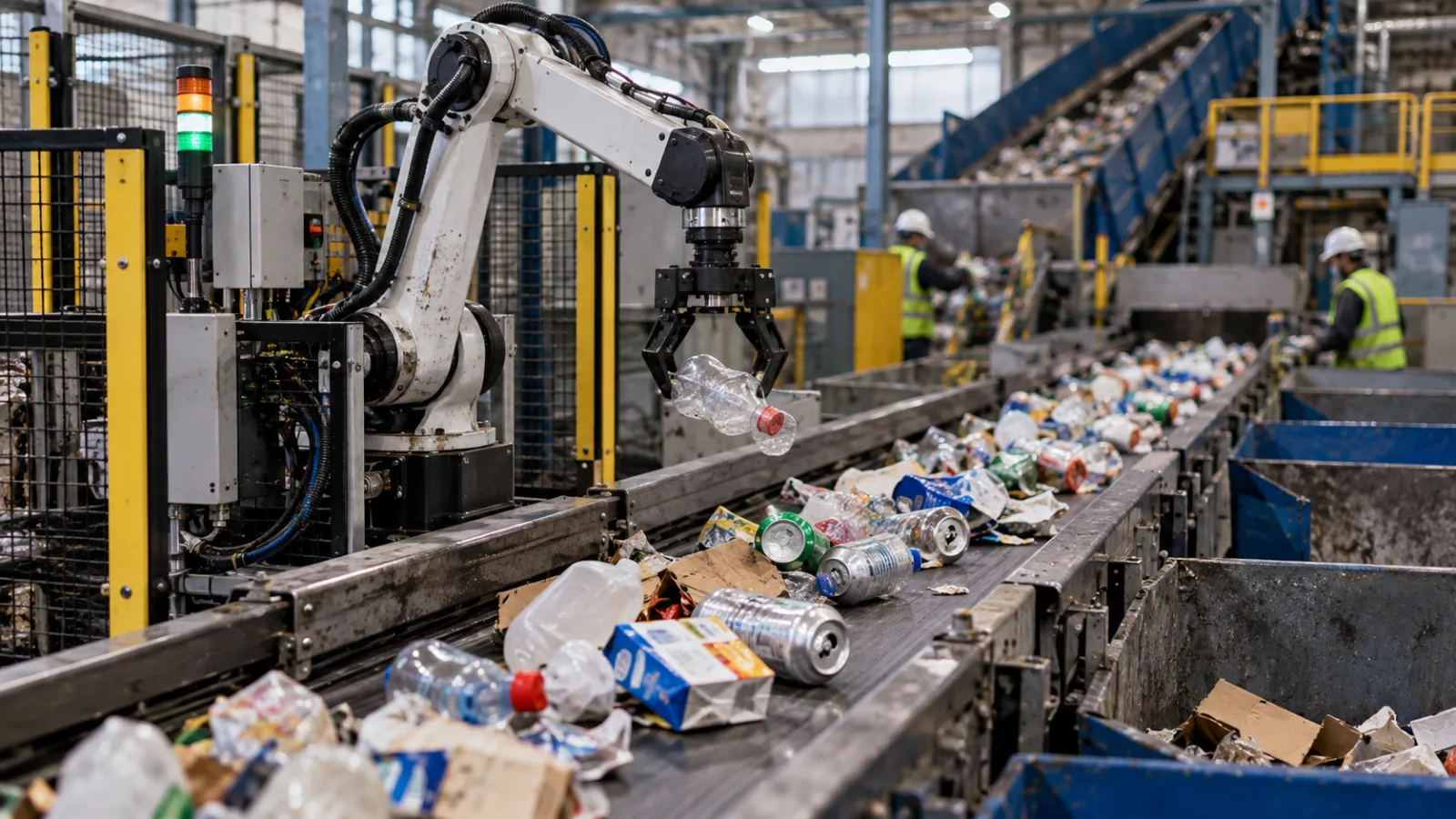
Agility’s October Pivot: Why Humanoid Robots Now Need a Safety Architecture Around the Machine
Agility’s new defense-policy role and its expanded safety partnership with FORT Robotics point to the same practical lesson: humanoid deployment will depend as much on external controls, operating procedures, and accountability as on the robot’s learned skills.
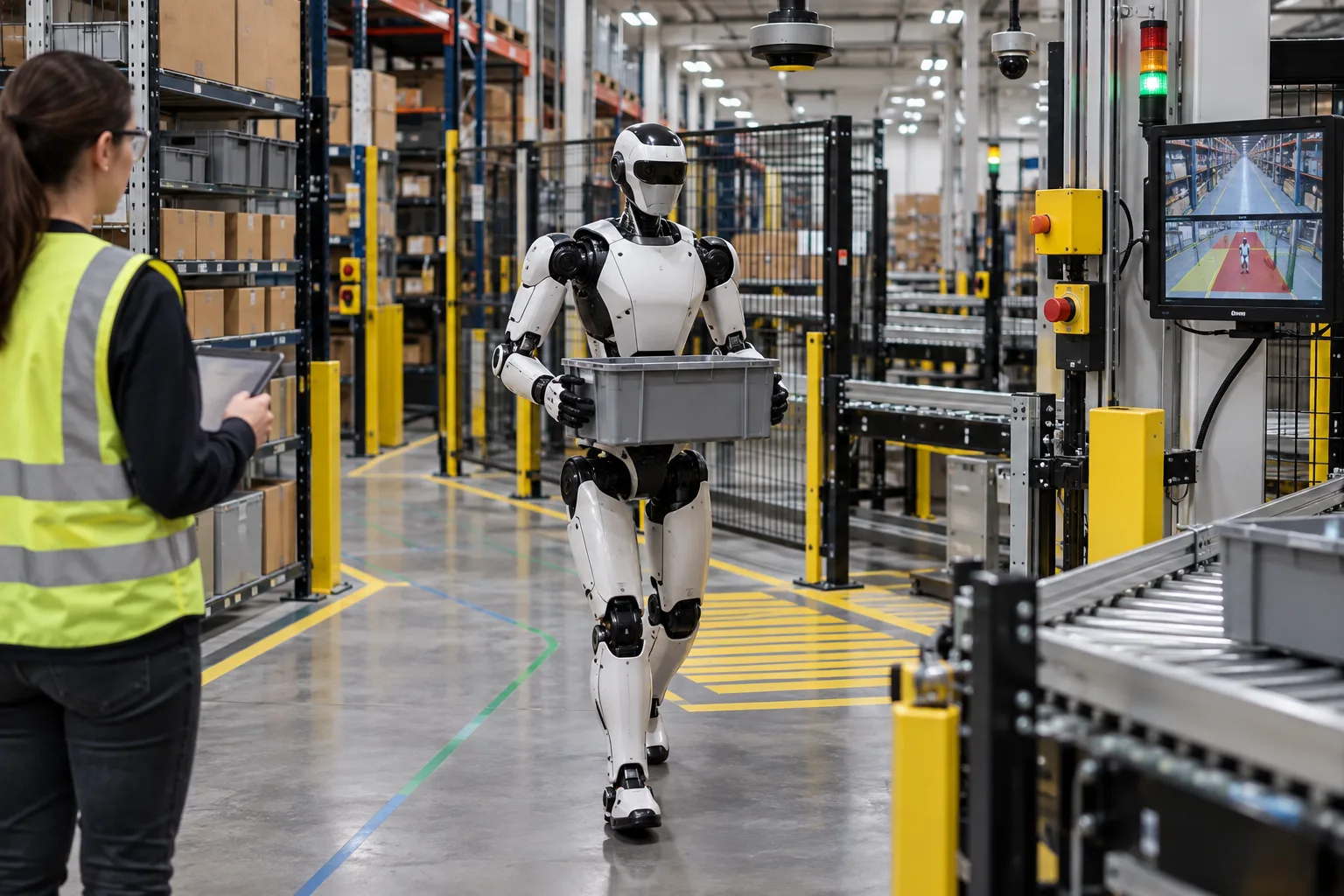
Atlas’s New Hand Makes Humanoid Robotics a Factory Product Problem
Boston Dynamics’ four-finger Atlas hand is less about looking human and more about surviving tools, shifts, repairs and safety audits. That makes it a useful signal for where humanoid robots are actually headed.
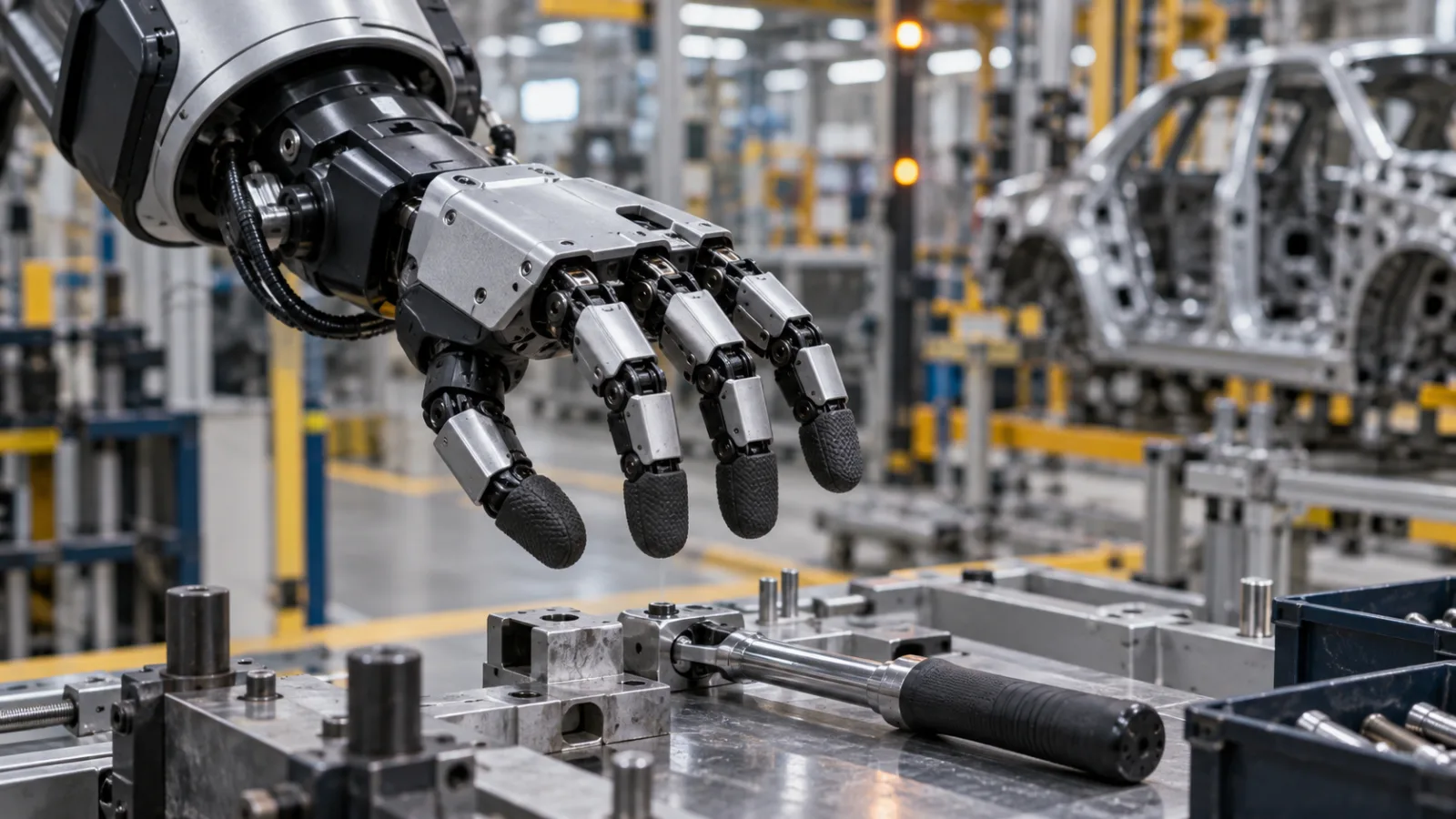
IROS 2026’s Digit Demo Shows the Next Humanoid Test Is Measurable Reliability
A first-try mobile-manipulation run on Agility’s Digit v4 is a meaningful research signal, but not proof of general warehouse autonomy. The real test is repeatability, recovery, safety and cost in a working facility.
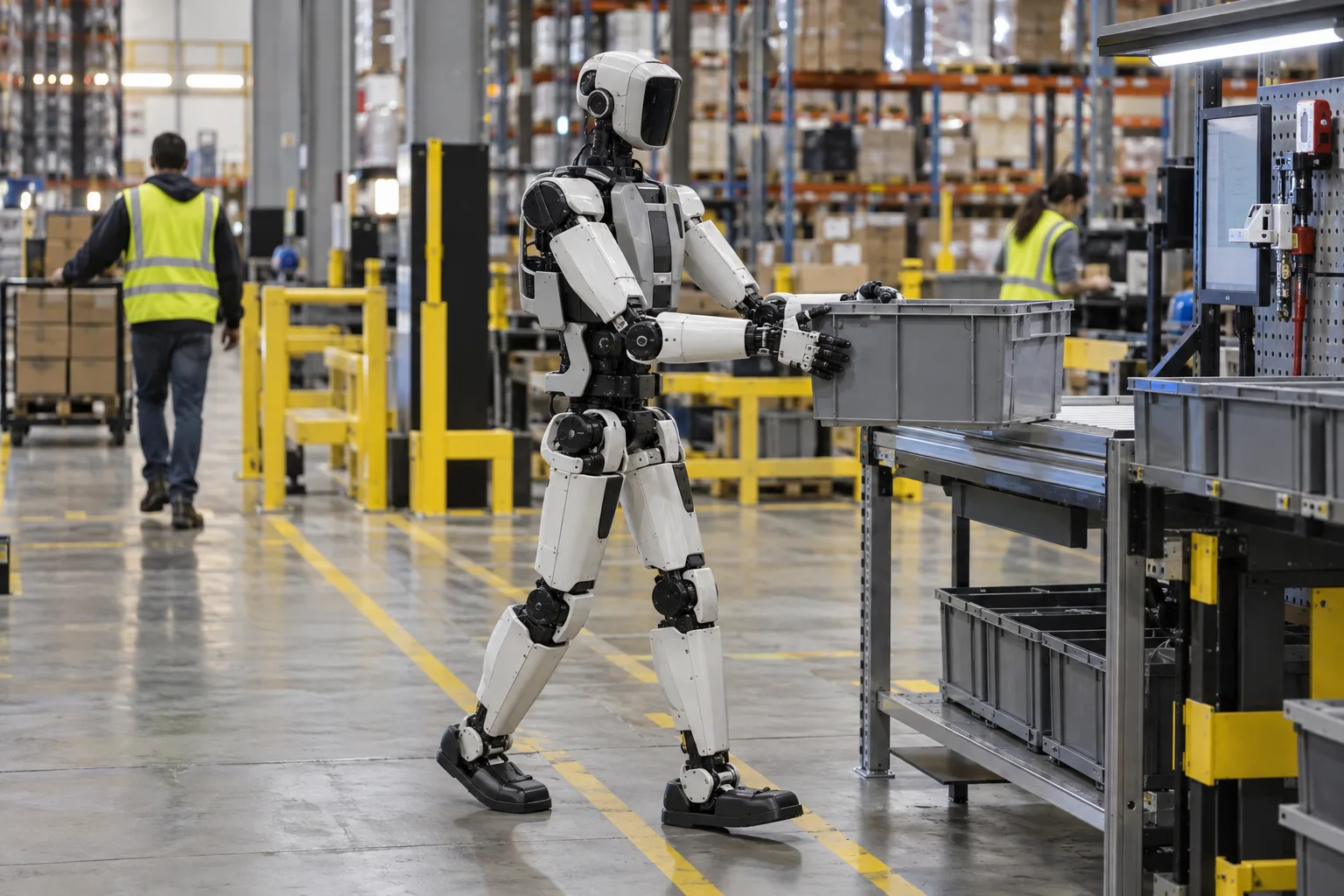
Qualcomm’s PickNik Deal Puts Open Robot Motion Planning at the Center of Physical AI
Qualcomm’s planned acquisition of PickNik is less about buying a robot than owning a critical layer beneath many of them. The outcome will depend on whether MoveIt can gain hardware acceleration without losing the openness that made it useful.
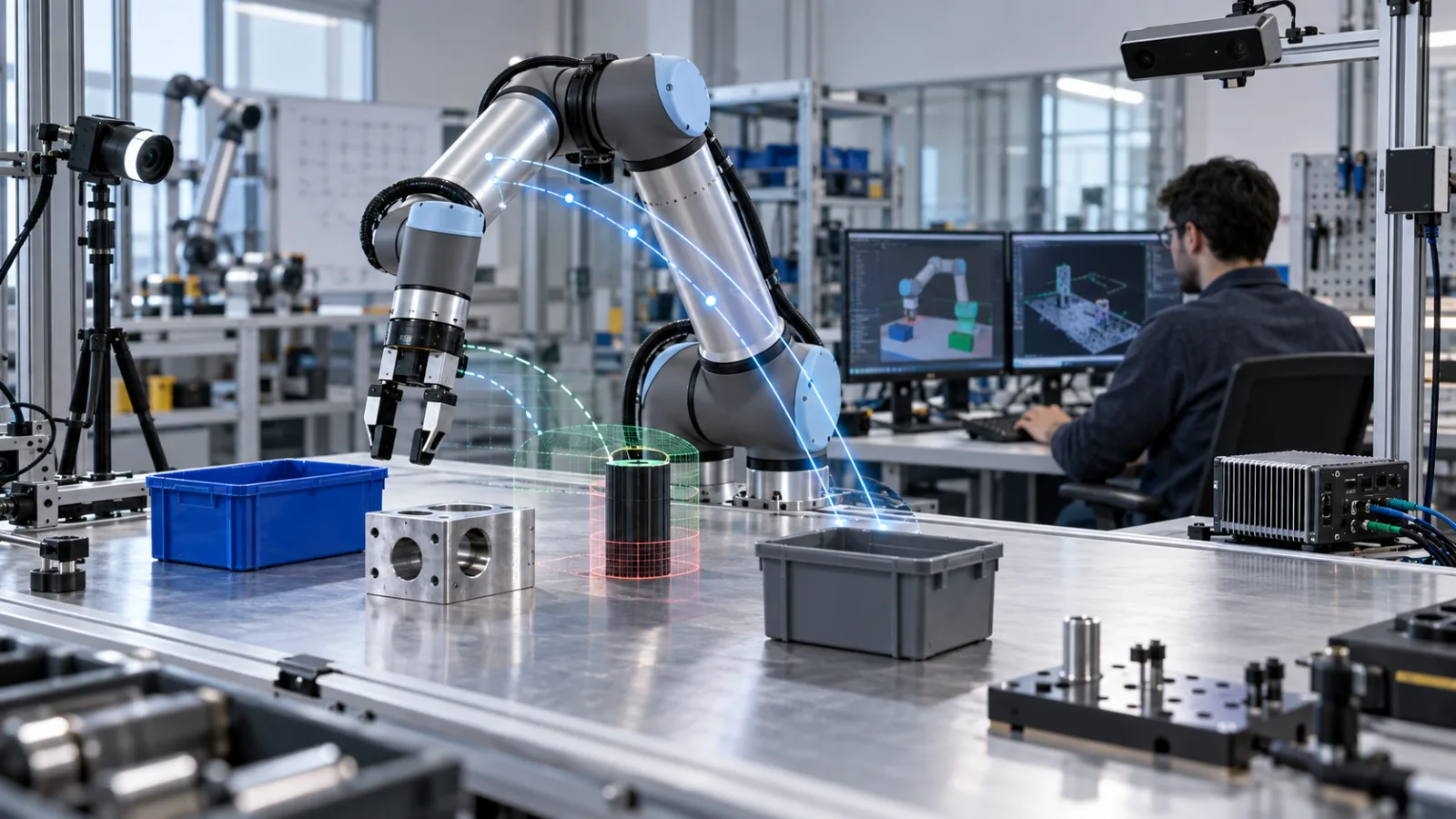
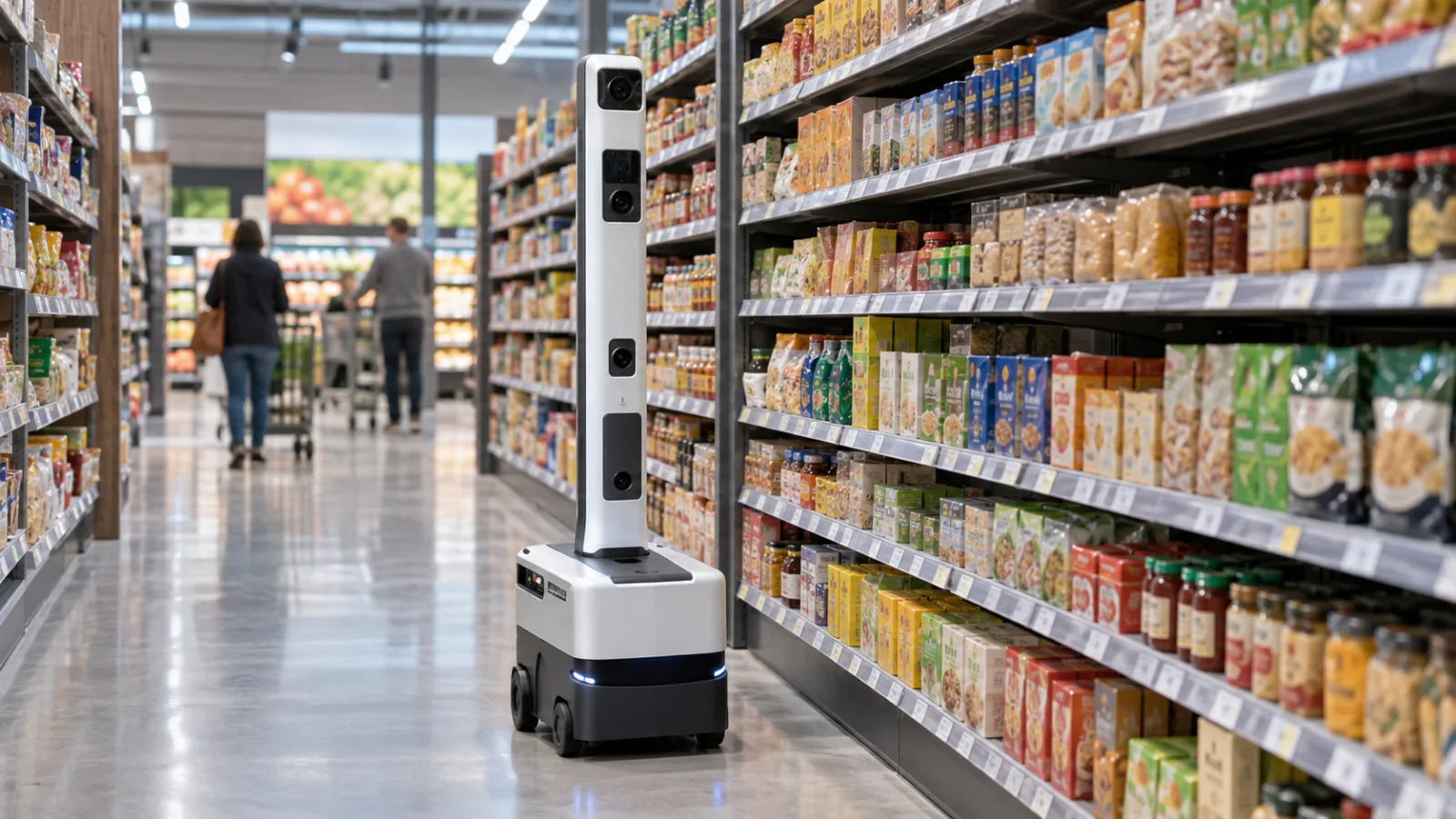
Simbe’s 3,000-Unit Retail Robot Fleet Shows Where Physical AI Is Already Useful
Simbe says more than 3,000 Tally units are now under contract. The milestone matters less as a humanoid-style spectacle than as evidence that narrow, repetitive autonomy can become useful infrastructure when it is tied to a specific retail workflow.