The smart home is rediscovering bridges
Why older devices, local control, and Matter-era expectations are making small bridge boxes useful again.
The smart home was supposed to become simpler once every device spoke the same language. Reality is messier. Home Assistant’s recent writing about proxying older devices points to a pattern many households already know: perfectly good sensors, plugs, thermostats, and lights often outlive the ecosystem assumptions around them.
The bridge never really went away
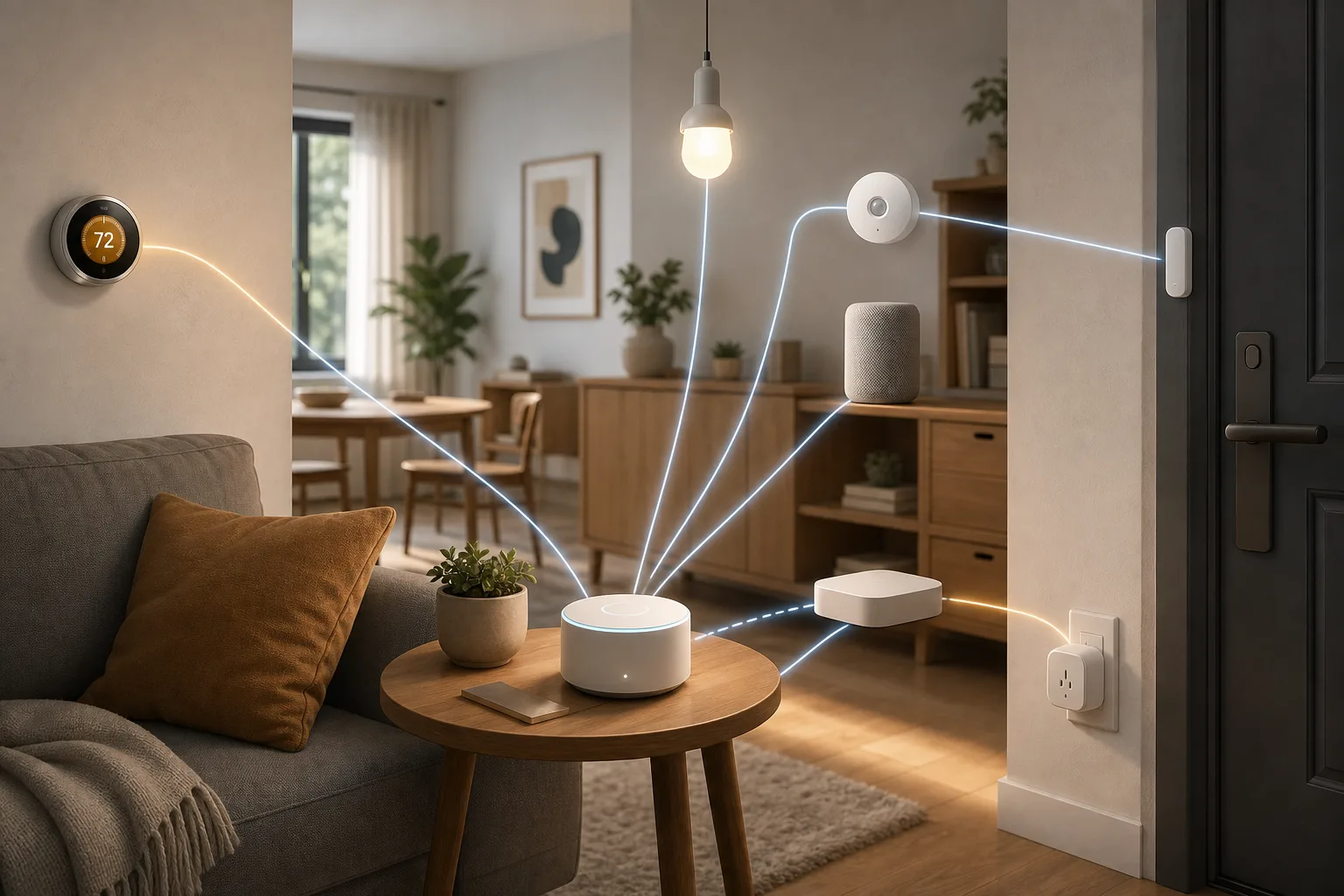
For years, hubs and bridges were treated like clutter. Users wanted fewer boxes, fewer apps, fewer accounts. That instinct made sense. A device that needs its own cloud and its own app can turn a simple lamp into weekend maintenance.
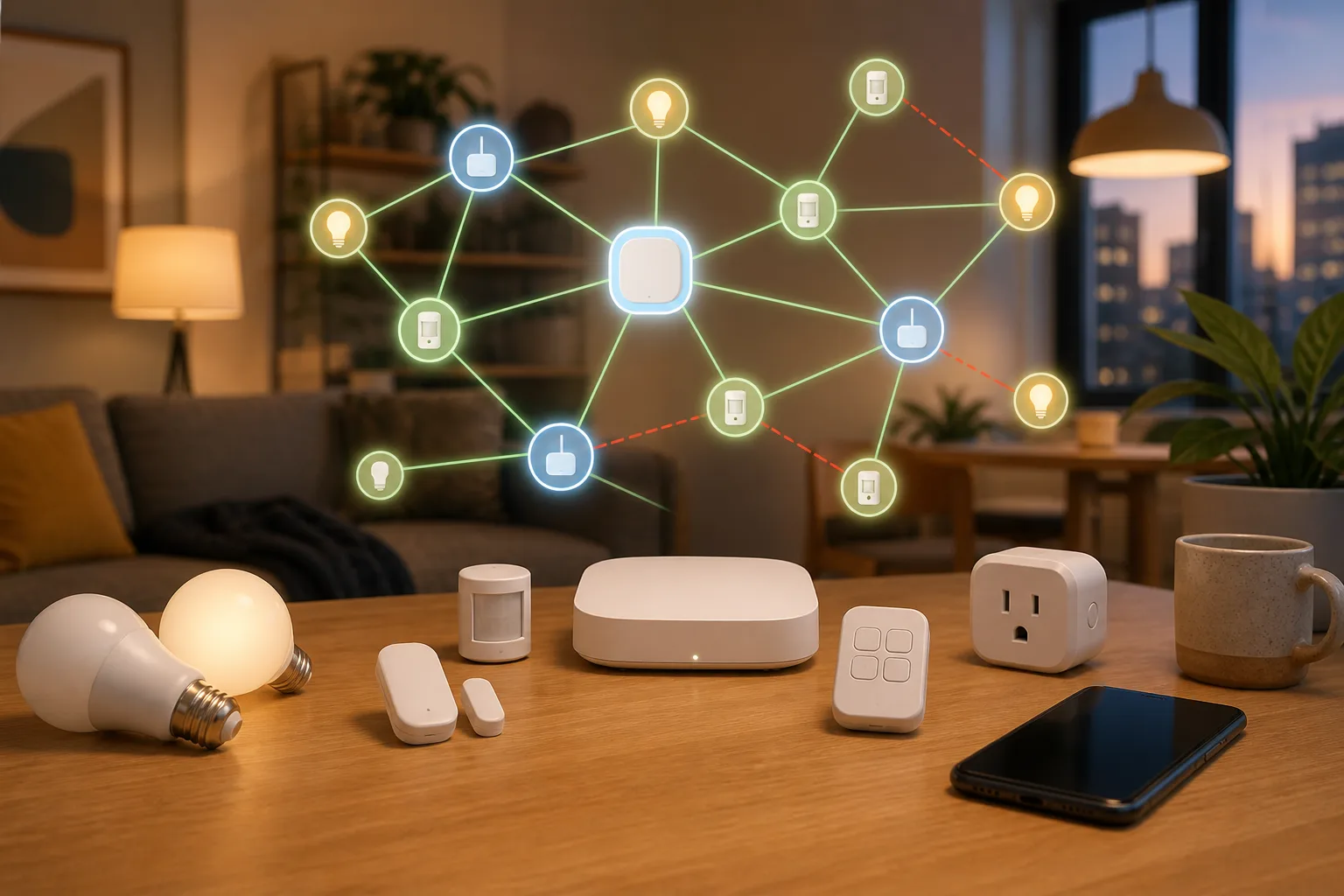
But a bridge can also be the opposite of clutter. When it keeps an older device local, translates between protocols, or shields a household from a vendor cloud shutdown, it becomes infrastructure. The problem is not the box. The problem is whether the box reduces complexity or hides more of it.
Matter helped, but it did not erase history
Matter improved the conversation because it gave manufacturers a shared target and gave buyers a clearer compatibility promise. Still, homes are not built from fresh product catalogs. They contain old Zigbee sensors, Wi-Fi plugs, thermostats with unusual quirks, garage controllers, alarm panels, and devices that work fine except for one missing integration.
That is why proxy and bridge approaches are getting attention again. They let users keep useful hardware while modernizing control. For a household, that can be cheaper and less wasteful than replacing every device just to get a cleaner dashboard.
Local control is the real prize
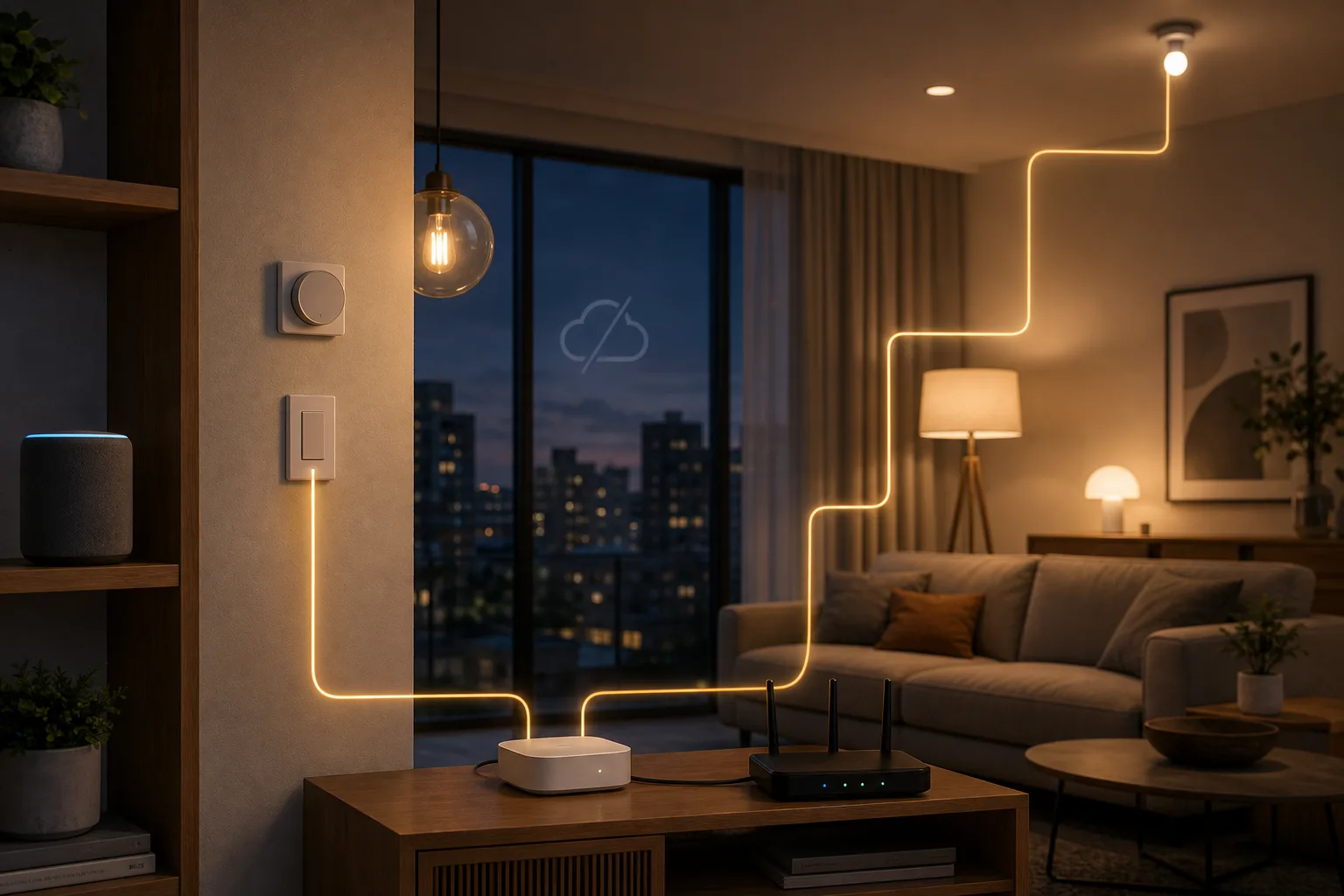
The strongest smart-home setups are boring in the best way. Lights respond when the internet is down. Door sensors do not need three cloud round trips to trigger an automation. A family member can still use a wall switch without learning a flowchart.
Local bridges help when they preserve that reliability. They hurt when they add another fragile dependency. The line is practical: if a bridge makes daily routines faster, more private, and easier to repair, it earns its shelf space.
What buyers should do now
Do not buy a bridge just because a forum thread recommends it. Start with the devices you already own and the failures you actually have. Are automations slow? Is a vendor app unreliable? Are you trying to keep an older device out of landfill? Then a local bridge may be a good move.
If everything already works, wait. Smart-home upgrades are best when they solve a specific annoyance. The future of the smart home may be more standardized, but the present still rewards people who can translate between old and new without making the house feel like a lab.
Related articles
When Google Home turned lights on by itself: the smart-home lesson is manual control
A fixed Google Home iOS lighting bug is a practical reminder to design smart homes with physical switches, local fallbacks and safe defaults.
Do Not Build the Smart Home on One Cloud Speaker
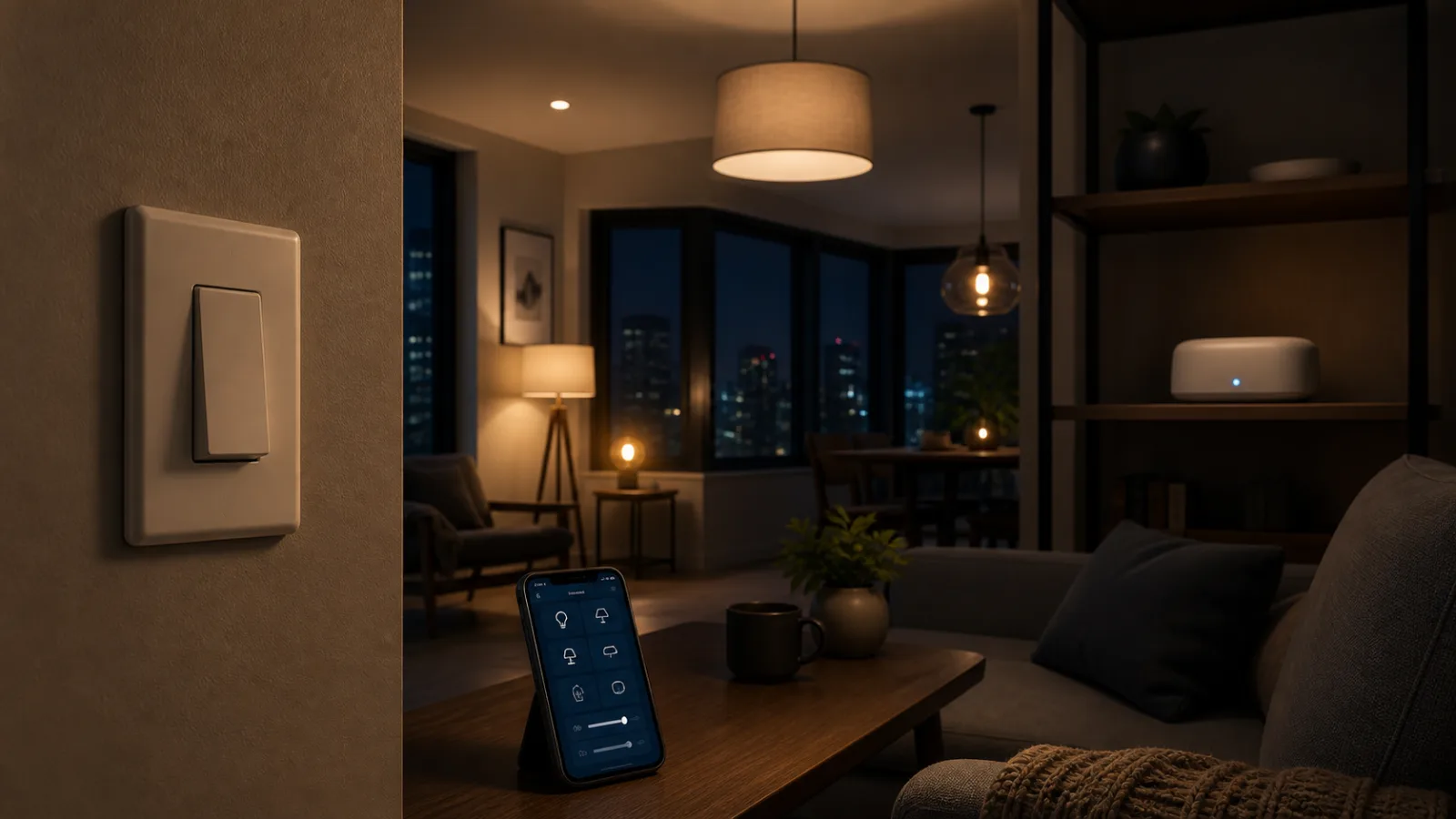
Fresh Google Home problems are a reminder to design smart homes with voice as a convenience, local logic for important routines, and physical fallback for the things people use every day.
IKEA Matter-over-Thread is cheap smart home, but not yet effortless
IKEA’s new Matter devices could make smart homes cheaper, but early pairing issues show why buyers still need to understand hubs, Thread routers and setup risk.
Matter got better. Your router can still ruin the smart home
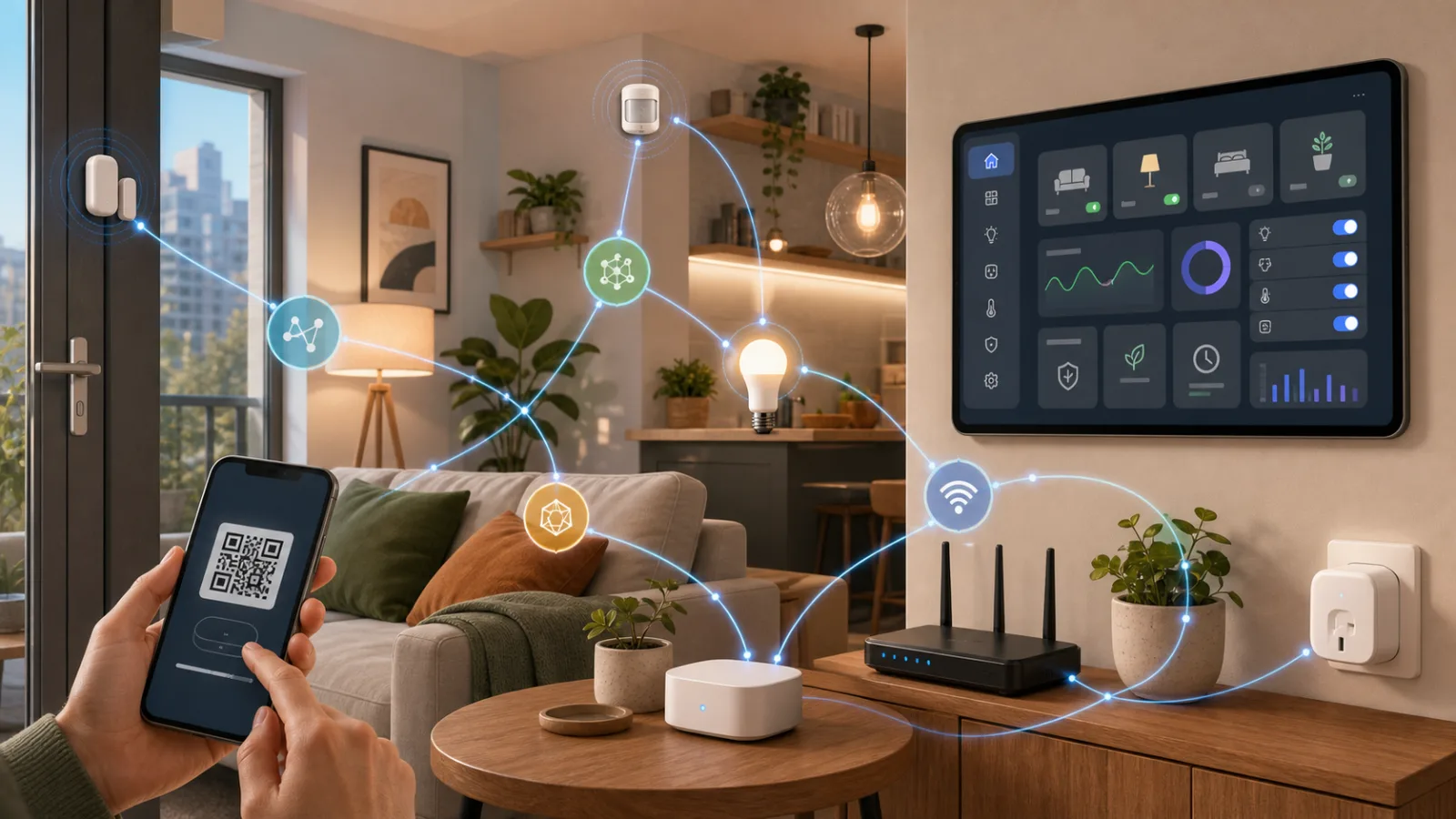
Home Assistant’s 2026 Matter upgrade is real progress, but pairing failures show why buyers should check controllers, Thread border routers, IPv6 and multicast before filling a home with new devices.
Comments
Sign in to comment.
No comments yet.