Open-weight AI 已经是商业决策,不是口号
在 Anthropic 澄清和 Kimi K3 争论之后,团队需要按 workload 选择 closed APIs、managed open models 和 self-hosting。
Open-weight AI 的争论已经不能简单归结为“开放还是封闭”。对企业来说,更有用的问题是:哪些 workloads 应该继续使用 closed APIs,哪些可以转向 open-weight models,什么时候用 managed inference,什么时候才值得 self-hosting。

7 月 27 日,Dario Amodei 发布 Anthropic 的立场,回应外界关于 Anthropic 想禁止 open-weight models 的批评。Hacker News 讨论迅速升温;检查时 Firebase 显示 914 points 和 1,332 comments。背景还包括 Kimi K3、创业公司和大科技公司反对 broad restrictions 的公开信,以及开发者关于 open models 已经可用的实践文章。
Anthropic 的立场比社交媒体上的说法窄得多。Amodei 写道,Anthropic 从未主张禁止 open-weights models;没有 dangerous capabilities 的 open-weight models 是 public good。它担心的是强大模型被 authoritarian governments 使用、cyber 或 biological misuse、alignment failures、industrial-scale distillation,以及发布后无法收回的 weights。
开发者和创业公司支持 open weights,是因为它们解决实际问题:cost、control、latency、customization,以及减少对单一 API provider 的依赖。Managed open-weight endpoint 可能更便宜。Self-hosted model 可以把数据留在指定环境。小型 fine-tuned model 在狭窄任务上也可能胜过 frontier API,只要任务有清晰评分和足够 examples。
但 open weights 不是免费的。它把工作转移到 MLOps:GPUs、serving、quantization、logging、evaluation、security patches、access control、model provenance 和 fallback。API 账单可能变少,基础设施和工程时间会变多。
Closed APIs 仍适合 broad reasoning、general assistants、低频实验,以及需要 vendor controls 的 regulated workflows。Managed open-weight inference 适合 cost-sensitive products 和需要 portability 的团队。Self-hosting 只有在 data residency、latency、privacy 或 TCO 足够重要时才值得。
Governance 应从 provenance 和 license 开始,然后做 internal evals:quality、hallucinations、refusal behavior、latency、cost 和 failure modes。还要明确哪些数据可以给模型,inference 在哪里运行,谁能读 logs,保存多久。
正确答案不是反射式禁止,也不是盲目拥抱。Open-weight AI 已经是 procurement、architecture 和 operations 问题。应该按 workload 逐项决策,用证据说话。
Related articles
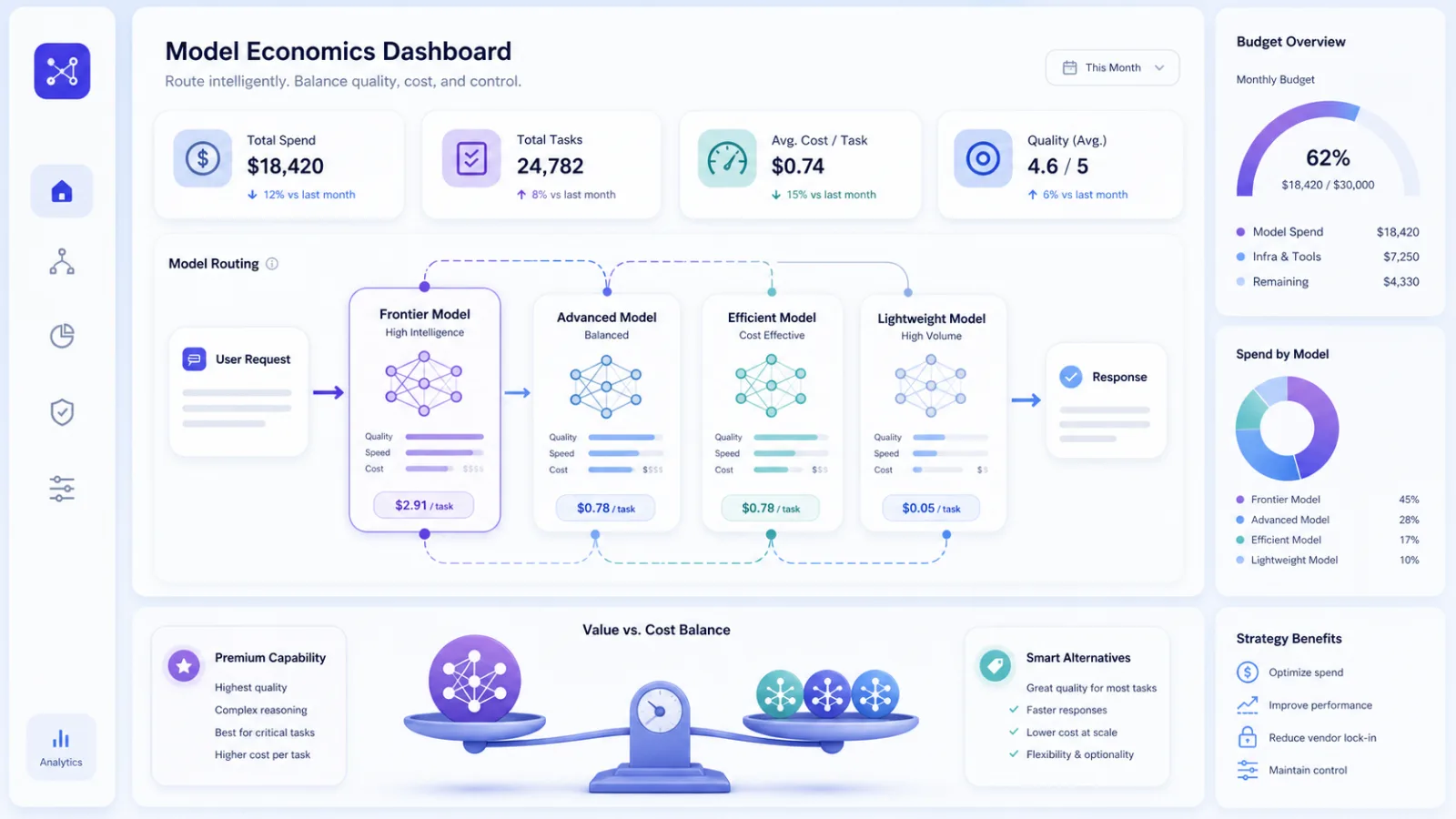
Anthropic 收入激增提醒团队重新计算 AI 模型经济性
Claude 之争不只是 IPO 想象。购买 AI 的团队需要衡量每个有效任务的成本、供应商依赖风险,以及高端模型何时真正值回价格。
Nvidia 与 Hugging Face 传闻谈判,让模型中心成为平台风险
这不是已确认的收购,但提醒 AI 团队:模型中心是战略依赖,不只是中立的权重下载目录。

GLM-5.3 让 open-weight 编程代理进入雷达,但不能自动切换
Z.ai 的新公告值得准备测试,但延迟权重、未知许可证和 cyber benchmark 要求团队谨慎评估。

Cursor 失去 OpenAI 模型,是 AI 编程供应链警告
这次拟定切断说明,AI IDE 里的模型访问应被视为运营依赖,而不是看不见的功能。
Comments
Sign in to comment.
No comments yet.