Gadgets and Devices
Latest publications
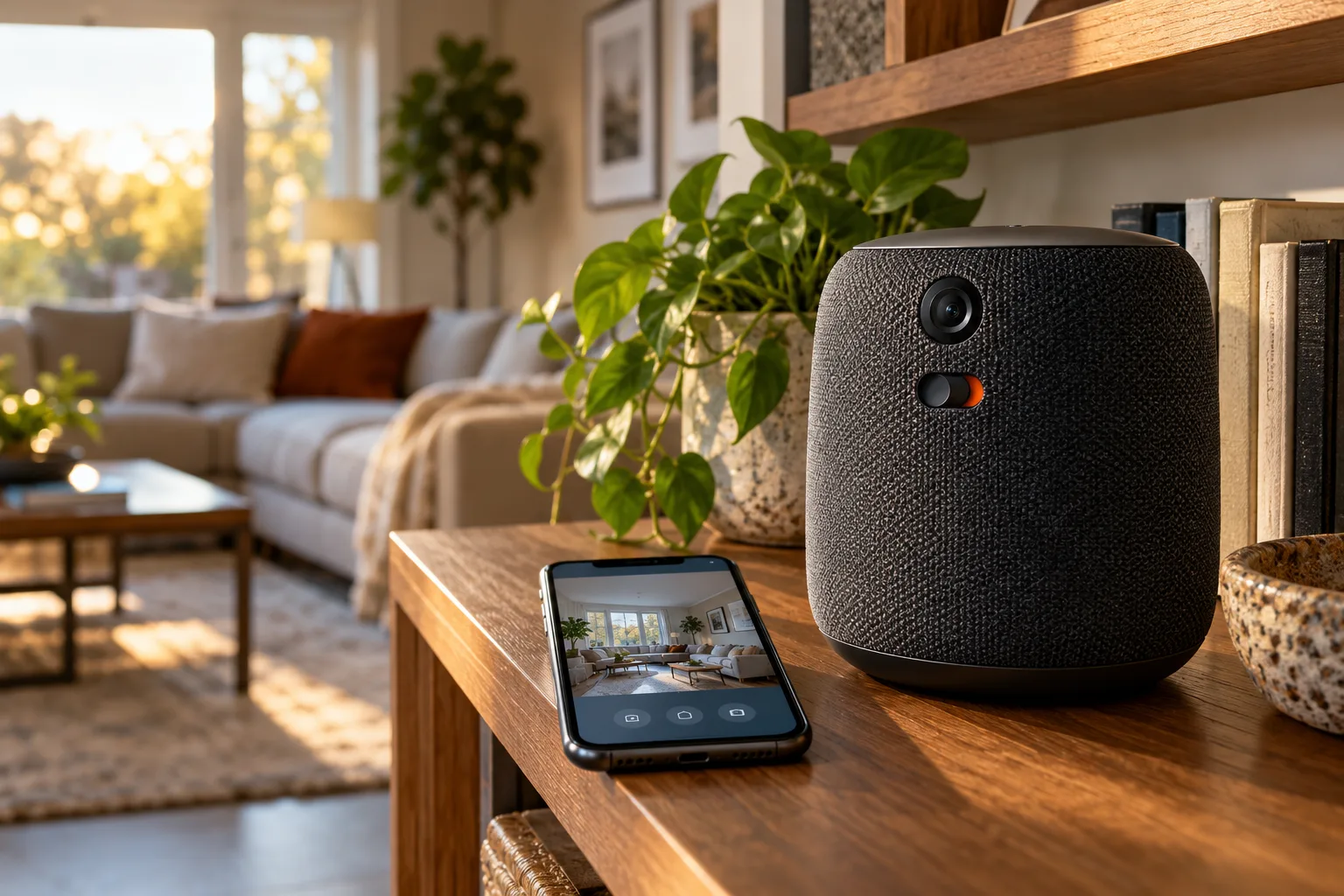
Amazon’s Echo Studio with Home Camera: What the New Speaker Changes for Privacy and Value
Amazon’s new $249.99 Echo Studio adds a camera to a premium speaker. The practical question is not whether Alexa can see more, but whether the camera, subscription limits, and cheaper alternatives justify putting it in your room.
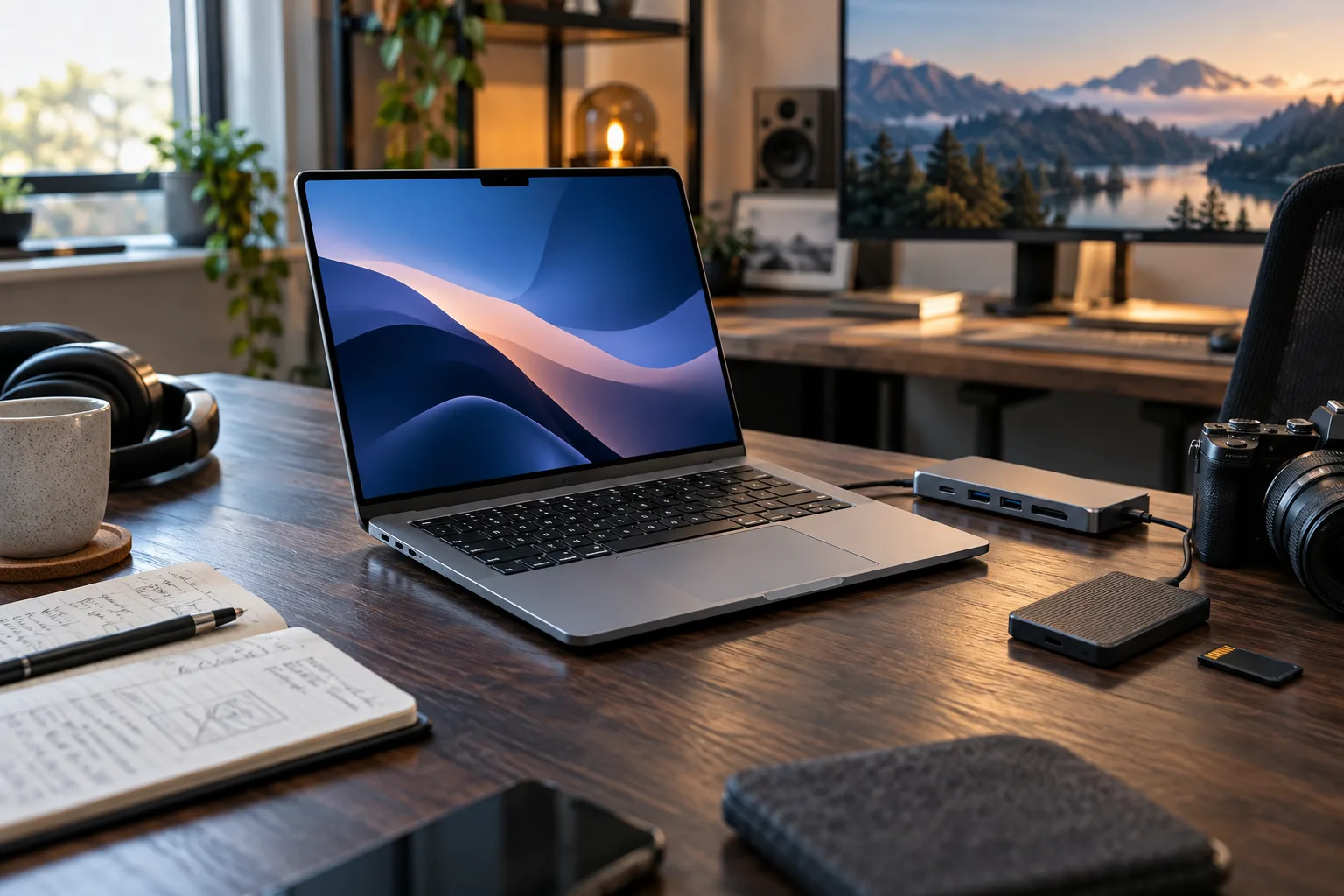
Apple’s M6 MacBook Pro Is a Strong M1 Upgrade—but a Harder Sell for Recent Buyers
Apple’s new 14-inch MacBook Pro with M6 starts at $1,999 and promises major gains in graphics, local AI, connectivity, and battery life. The practical question is which owners will notice the difference—and which should wait.
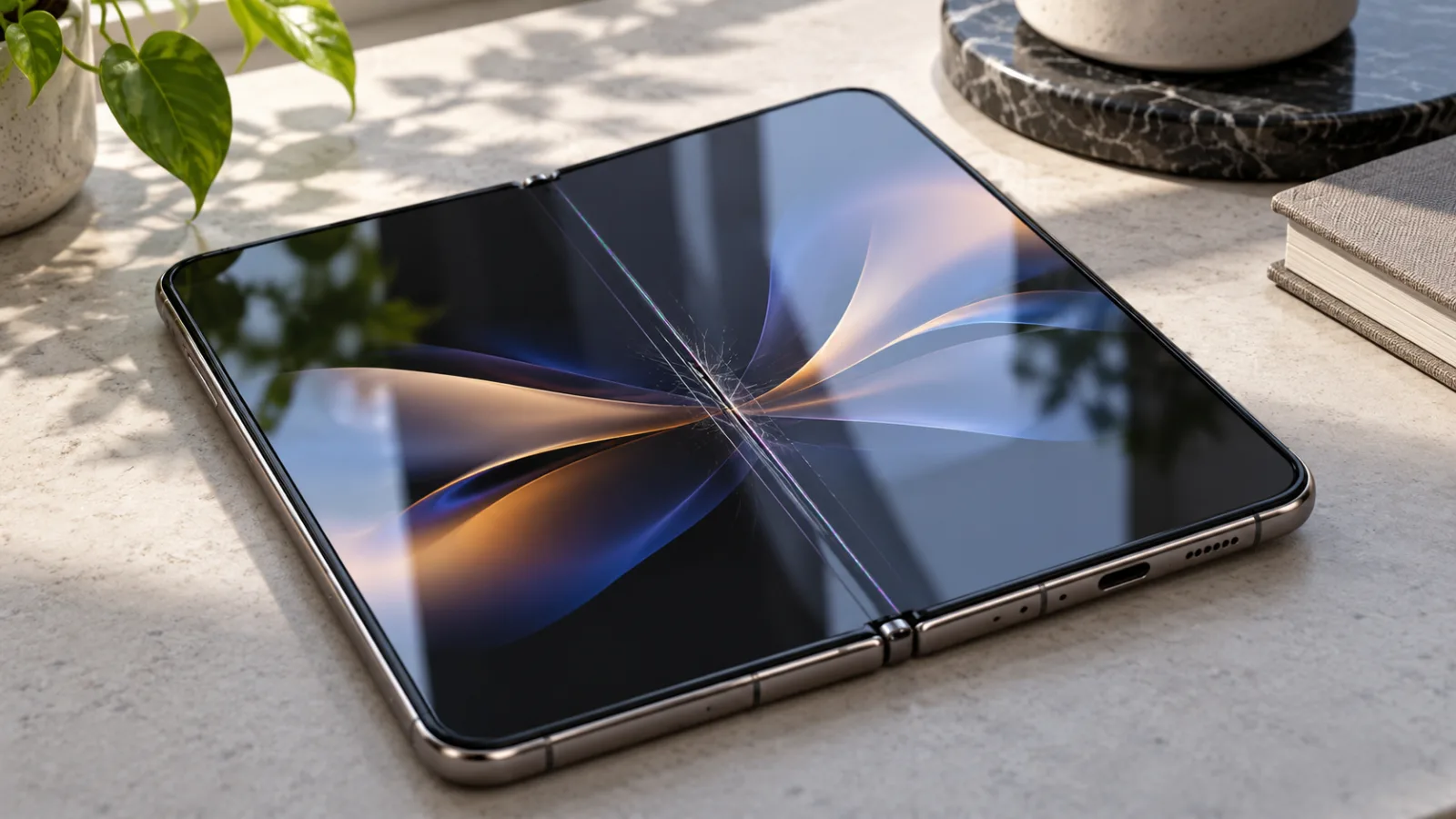
Early iPhone Duo Inner-Screen Failures: What Owners Should Document Before Seeking a Replacement
Reports of iPhone Duo inner screens cracking along the hinge within hours of purchase have appeared alongside a harsh durability test. The evidence is still early, but buyers can already take practical steps to protect their data, warranty position, and return options.
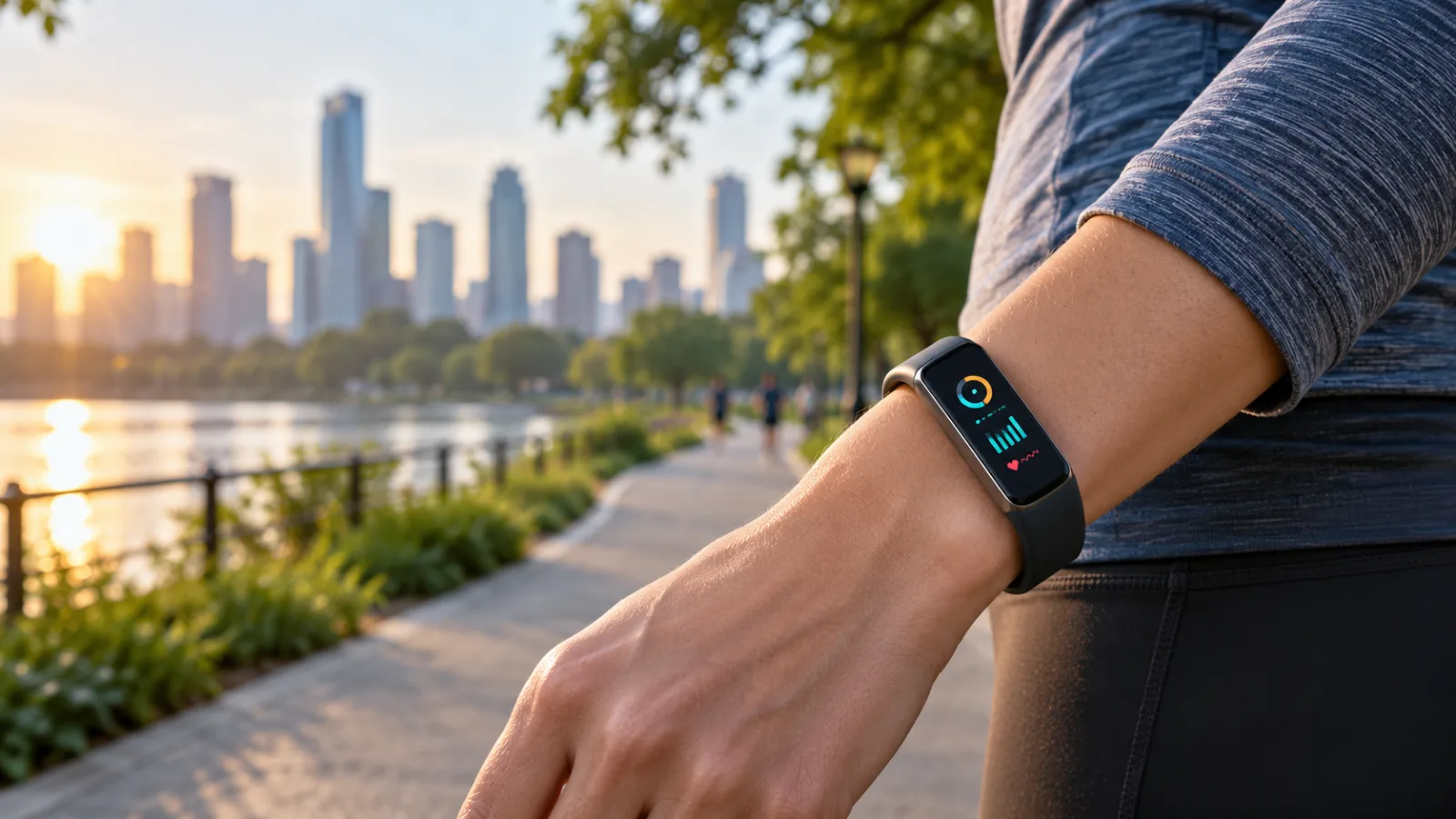
Google Fitbit Edge brings back the screen, but the subscription and missing wallet change the buying decision
The $179.99 Fitbit Edge fills the gap between Fitbit Air and Pixel Watch 5. Its screen, GPS and week-long battery are appealing, but Google’s Health Premium subscription and lack of Google Wallet matter more than the launch pitch.
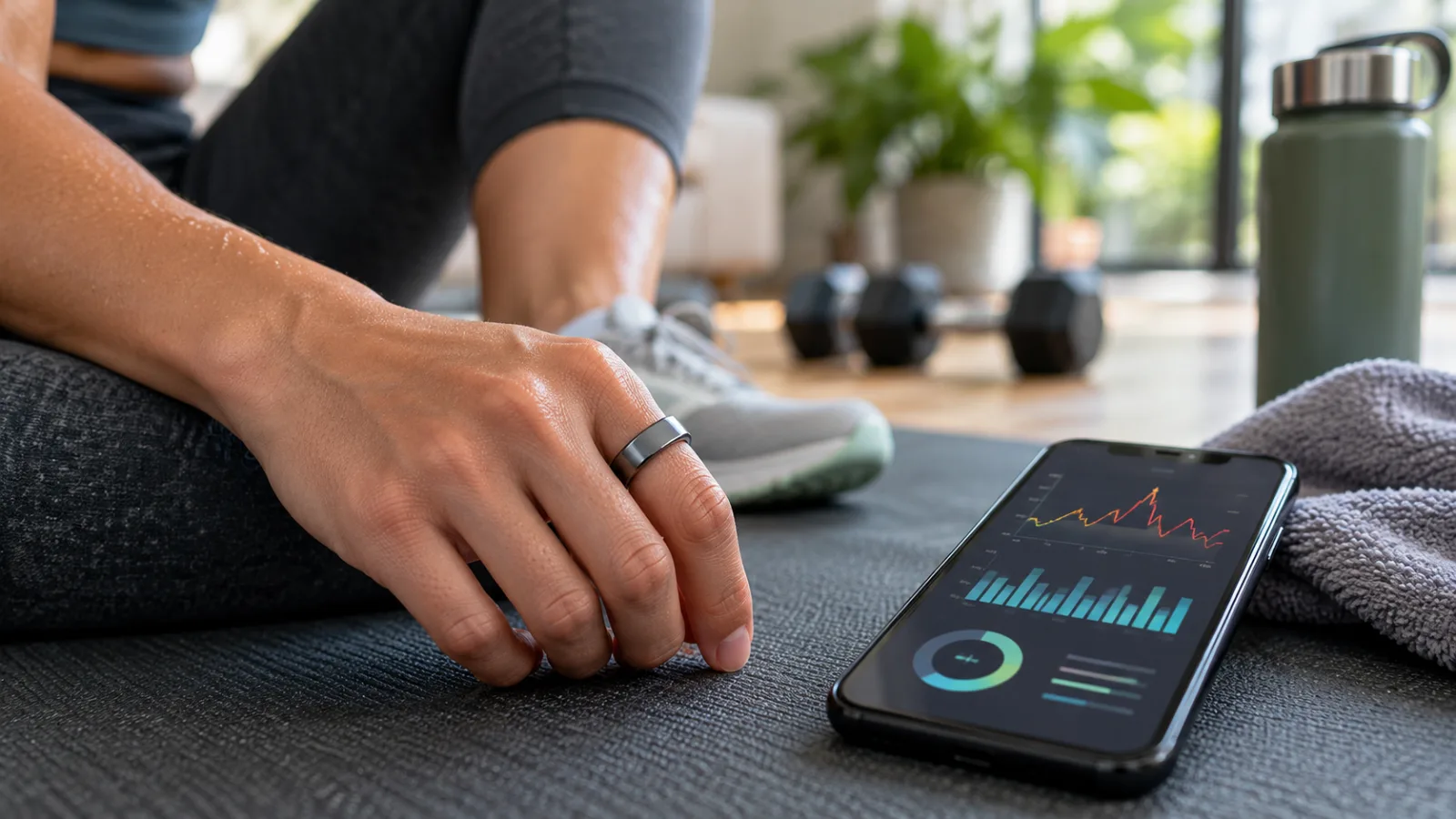
Oura Adds Cardio Effort and Automatic VO₂ Max: What the New Ring Metrics Can Really Tell You
Oura’s October update pushes the smart ring further into workout analysis. Cardio Effort and automatic VO₂ max are useful for spotting trends, but neither turns a subscription wearable into a laboratory test or a medical device.
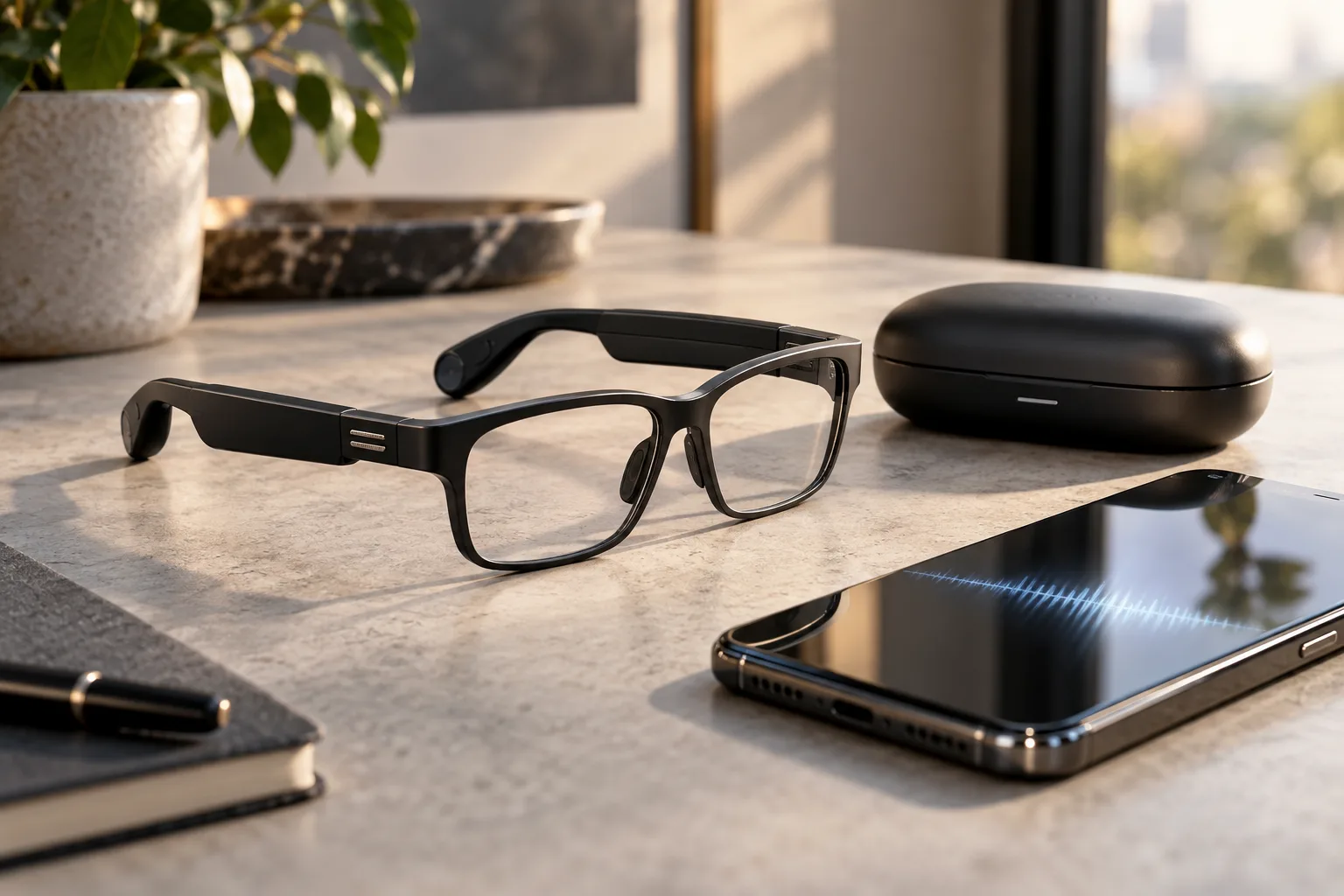
Ray-Ban Meta Audio Glasses Remove the Camera: What You Gain, What You Lose, and Who Should Buy Them
Meta’s new Ray-Ban Meta Audio glasses turn smart eyewear into an audio accessory by removing the camera. That makes them easier to wear around other people, but it also removes the feature that gives camera-equipped models their most distinctive uses.
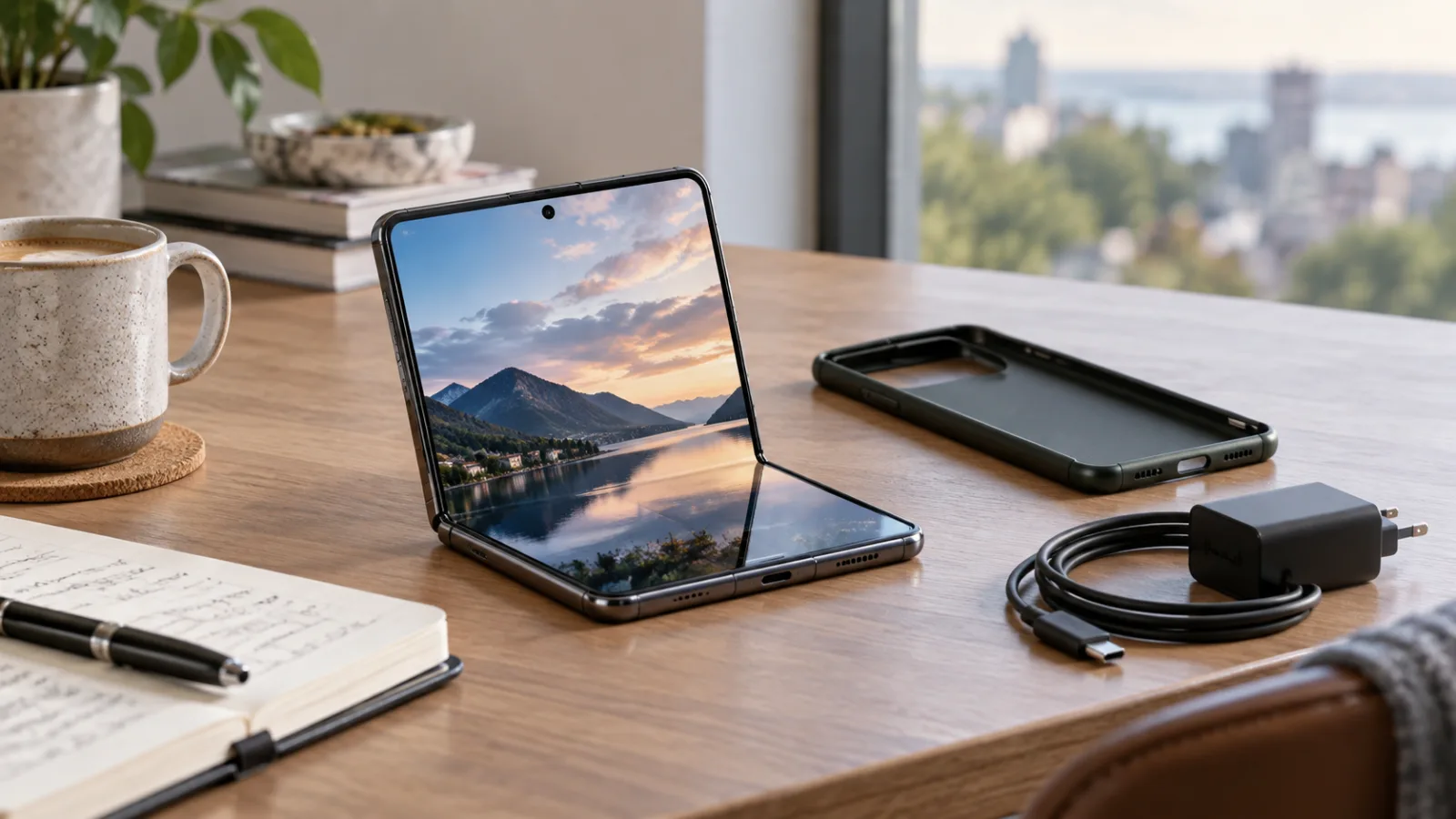
iPhone Duo Preorders Open Today: The Foldable Ownership Checks That Matter Before Spending $1,999
Apple’s first foldable iPhone is now available to preorder, but the important decision is not whether the 7.6-inch screen looks impressive. It is whether you can accept the cost, care routine, accessory limits, and first-generation unknowns behind it.
Apple HomeView is a $299 smart-home hub. The real question is whether your home fits Apple’s rules
Apple’s first smart display combines a 7-inch screen, Siri AI, FaceTime, home controls and personalized profiles. Its value depends less on the hardware than on language support, Apple devices, home hubs, subscriptions and the accessories you already own.
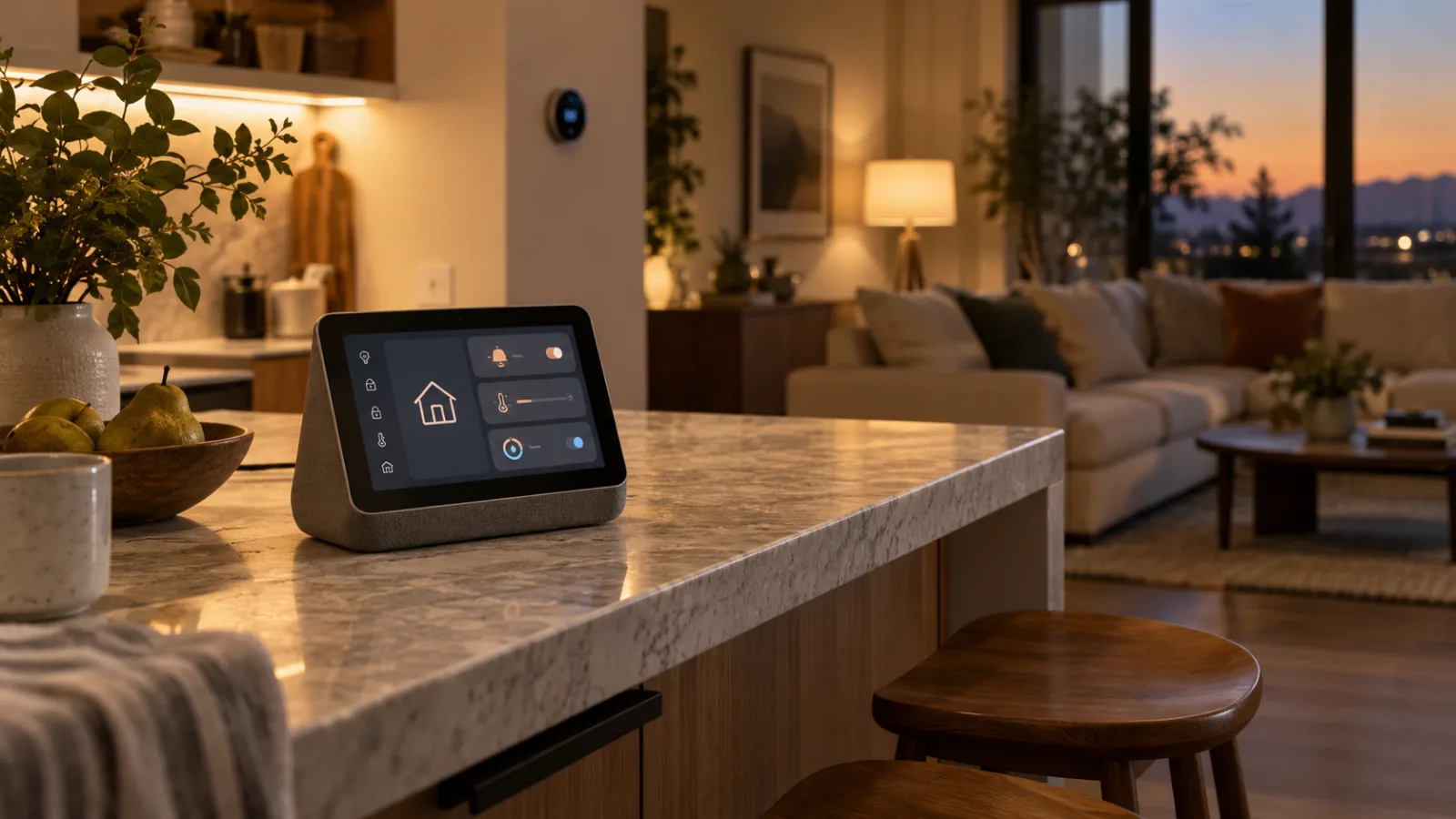
Amazon’s Alexa Tablets bring Google Play to Fire’s successor—but the price changes the bargain
Amazon’s new Alexa Tablets solve the Fire range’s biggest software limitation by adding full Android and Google Play. They also cost enough that storage, accessories, subscriptions, support, and competing tablets now deserve a careful comparison.
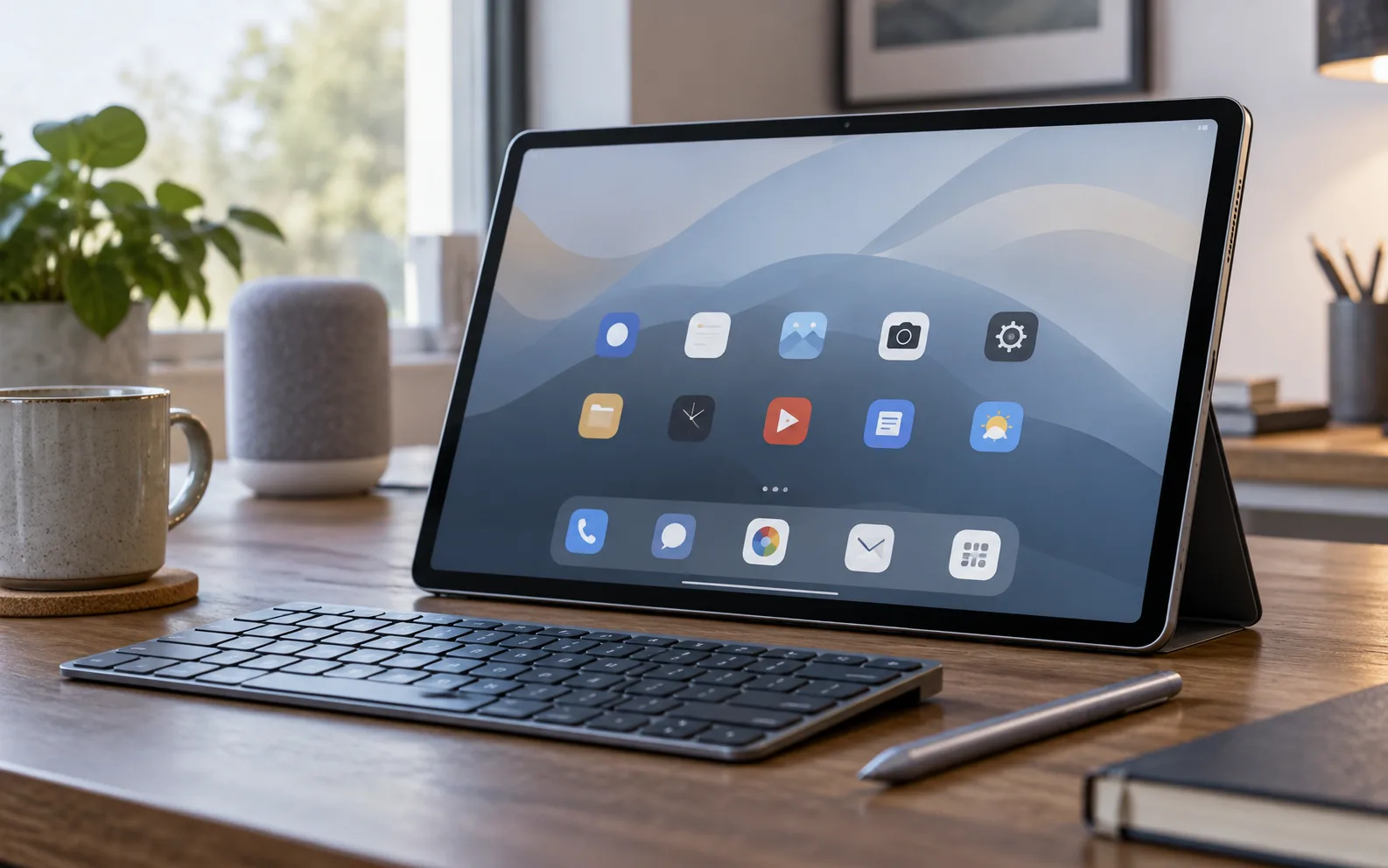
Logitech’s Logi Launch 2026 Makes Meeting-Room Hardware More Intelligent—and More Expensive to Specify
Logitech’s October 2026 business-device launch is less about another webcam than about where meeting-room intelligence should run, how sound should travel, and whether simpler installation justifies enterprise pricing.

Googlebook’s Android Integration Has a Launch-Day Catch: What Samsung and Other Phone Owners Need to Check
Googlebook’s headline feature is continuity with an Android phone, but that promise depends on Android 17, manufacturer support and a stable cross-device setup. Here is what works now, what is delayed, and who should wait before buying.
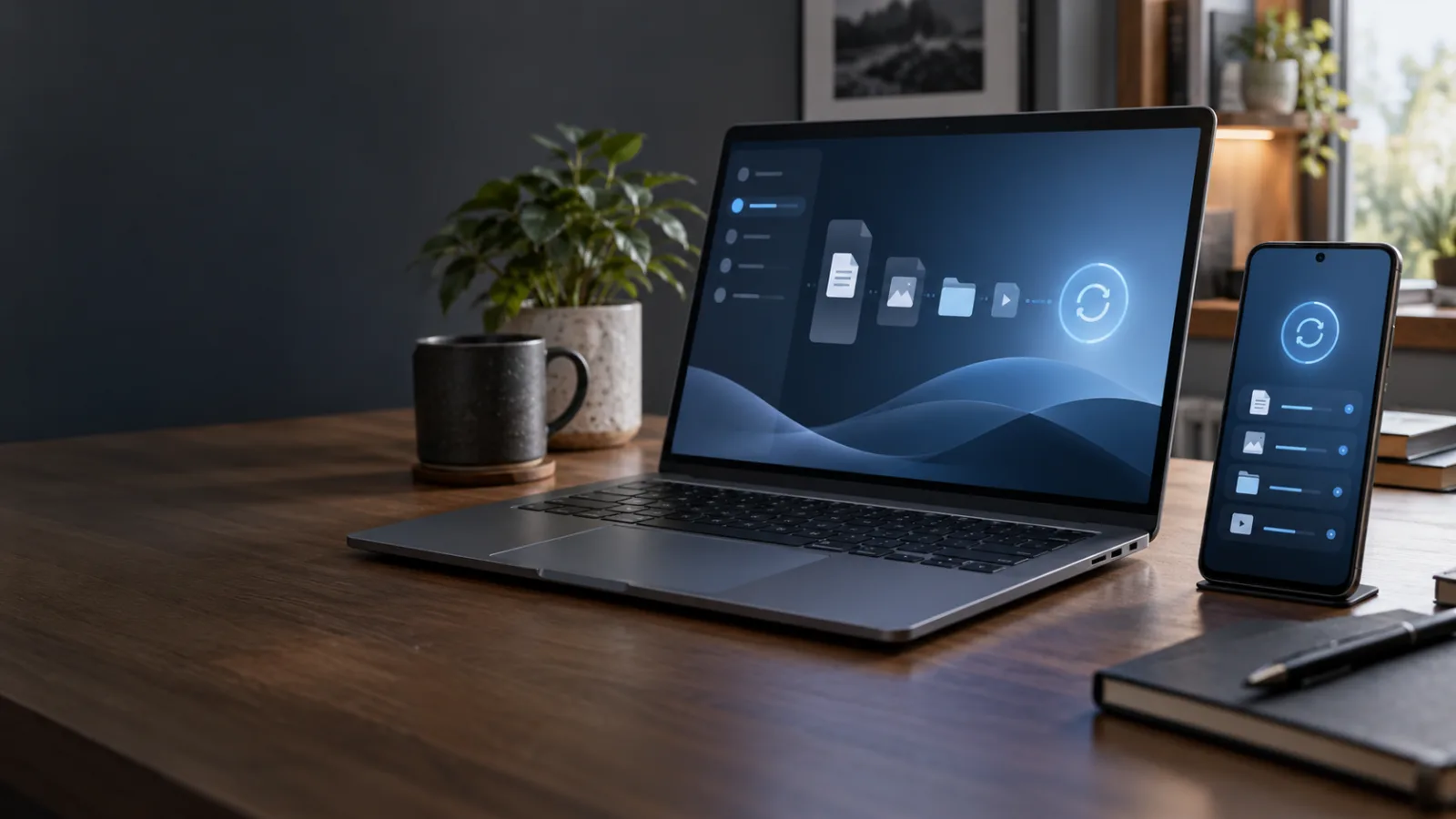
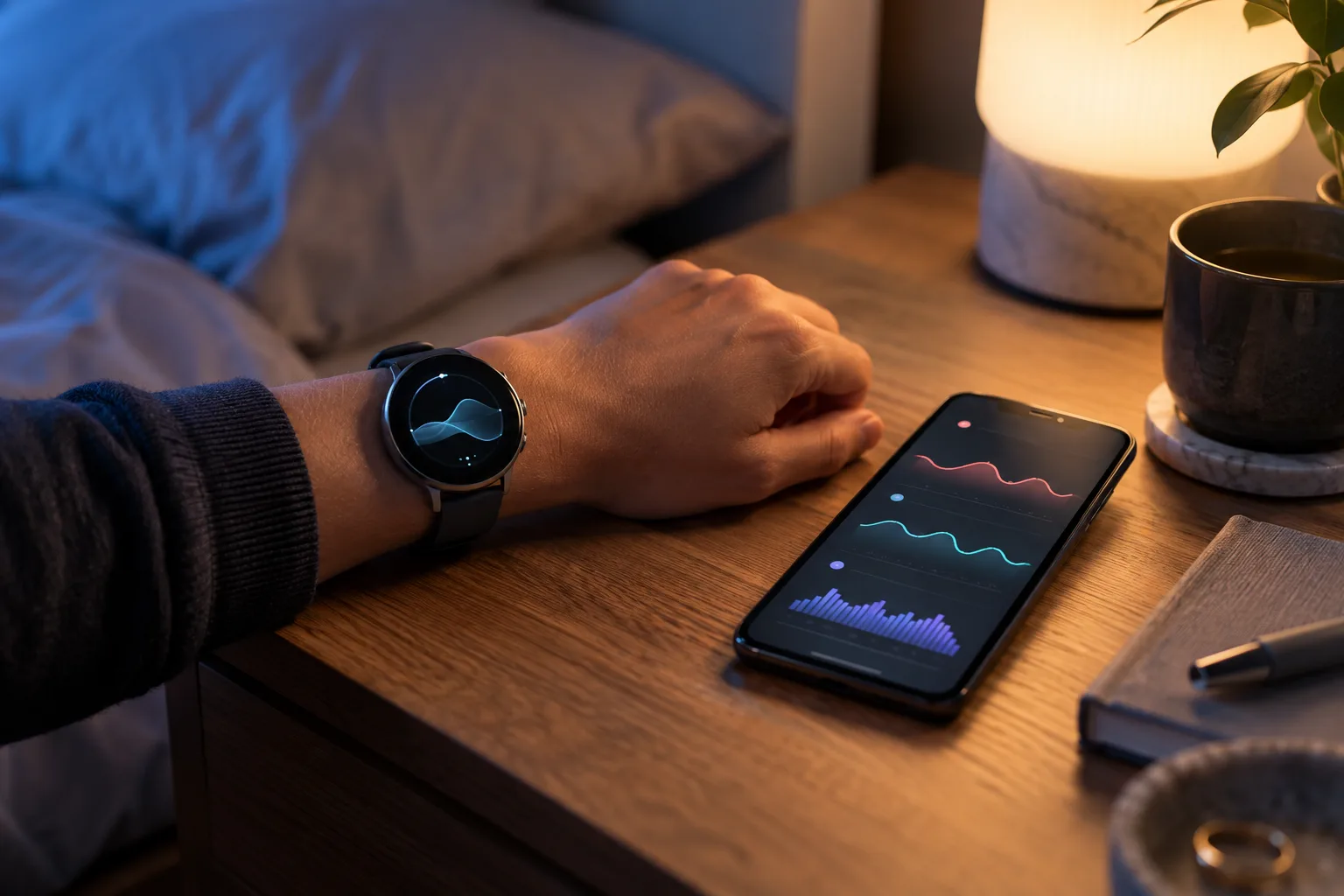
Pixel Watch Health Guardian Trends Arrive in October: What the New Signals Can—and Cannot—Tell You
Google is beginning to deliver Health Guardian trend reports to Pixel Watch owners. The useful question is not whether a watch can diagnose you, but how to read long-term signals, check compatibility, protect sensitive data, and know when a real measurement is still necessary.