A drier summer changes the rules for watering a garden
Hotter, drier weeks reward deeper watering, mulch, and fewer heroic rescue missions with a hose.

A dry summer does not merely mean “water more.” That advice is how people end up with shallow roots, fungal leaves, high bills, and plants that still look exhausted by late afternoon. Recent guidance from The Old Farmer’s Almanac and Homes and Gardens points to a more useful rule: water less theatrically, but more deliberately. June is the moment to change the habit before the hottest weeks turn every mistake into a wilted border.
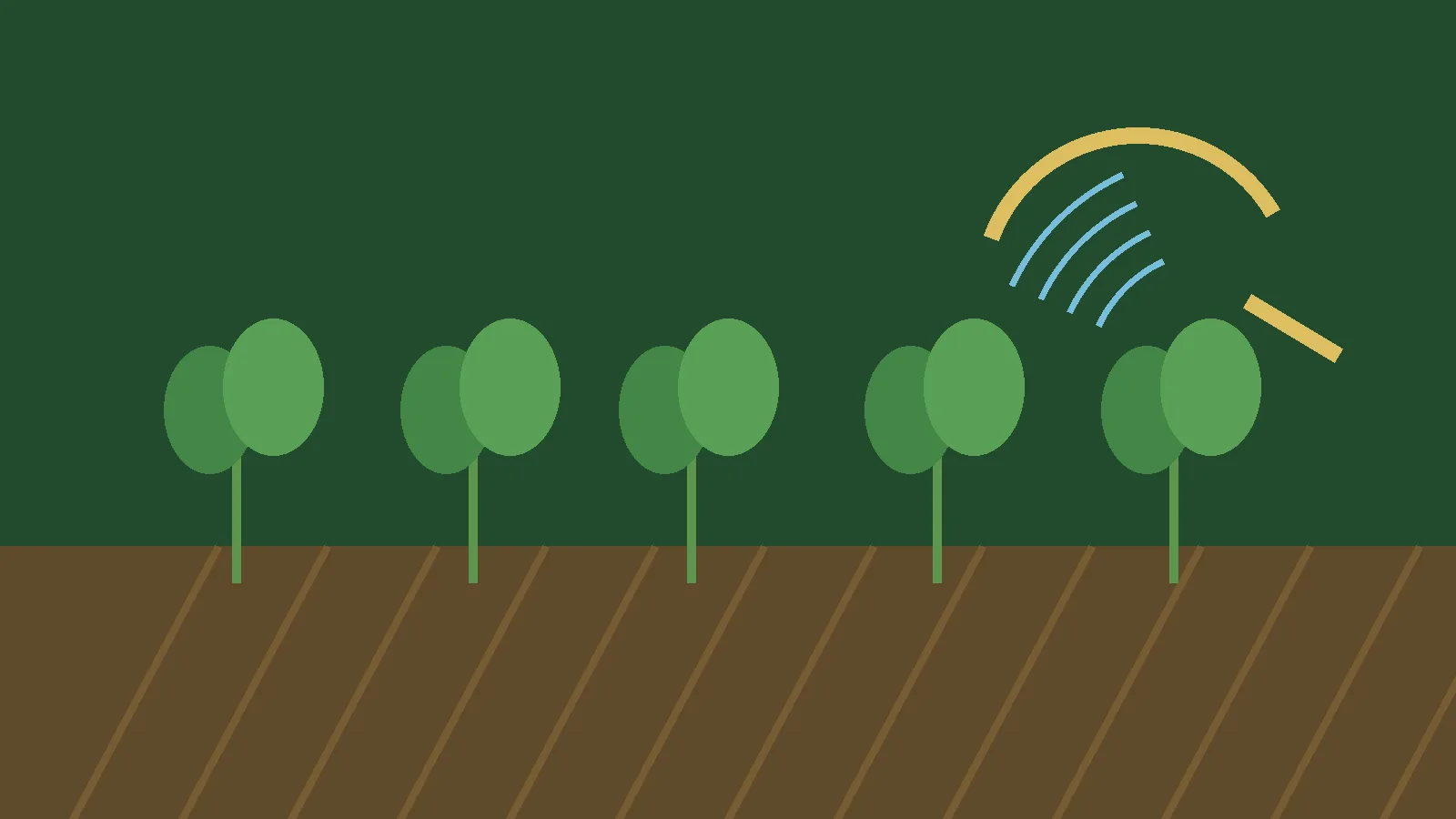
Water the roots, not your anxiety
The best time to water is early morning, when the soil can absorb moisture before heat and wind steal it. Evening watering is better than letting plants collapse, but wet leaves overnight can invite disease. A slow soak at soil level beats a dramatic spray over the top. Containers may still need daily checks, yet beds usually prefer deeper watering a few times a week.
Mulch is not decoration
A two to three inch layer of organic mulch keeps soil cooler and slows evaporation. Keep it away from stems and trunks, because buried crowns rot. Around vegetables, perennials, and young shrubs, mulch can be the difference between steady growth and repeated stress.
Lawns deserve honesty
A lawn that browns in dry weather is often dormant, not dead. If water is limited, prioritize trees, new plantings, vegetables, and plants in containers. Established turf can usually recover when rain returns. The sentimental mistake is spreading a little water everywhere and saving nothing well.
Plant for the weather you have
Drought-tolerant perennials, native grasses, thyme, lavender, sedum, yarrow, and well chosen shrubs reduce the need for rescue watering. Xeriscaping is not a gravel punishment. Done well, it is a garden that asks less from the hose and more from planning.
The takeaway is practical: water slowly, mulch early, group thirsty plants together, and stop treating every brown patch as an emergency.
Related articles
Empty Vegetable Beds in September Need a Cover Crop, Not Bare Soil
A practical September guide to choosing oats, rye, clover, radish or a simple mulch for empty vegetable beds, with timing, rates, watering and spring termination caveats.

The late-June garden reset: water by evidence, mulch for heat, plant for insects
A practical late-June garden guide for watering by evidence, mulching correctly, protecting containers and keeping pollinators fed.
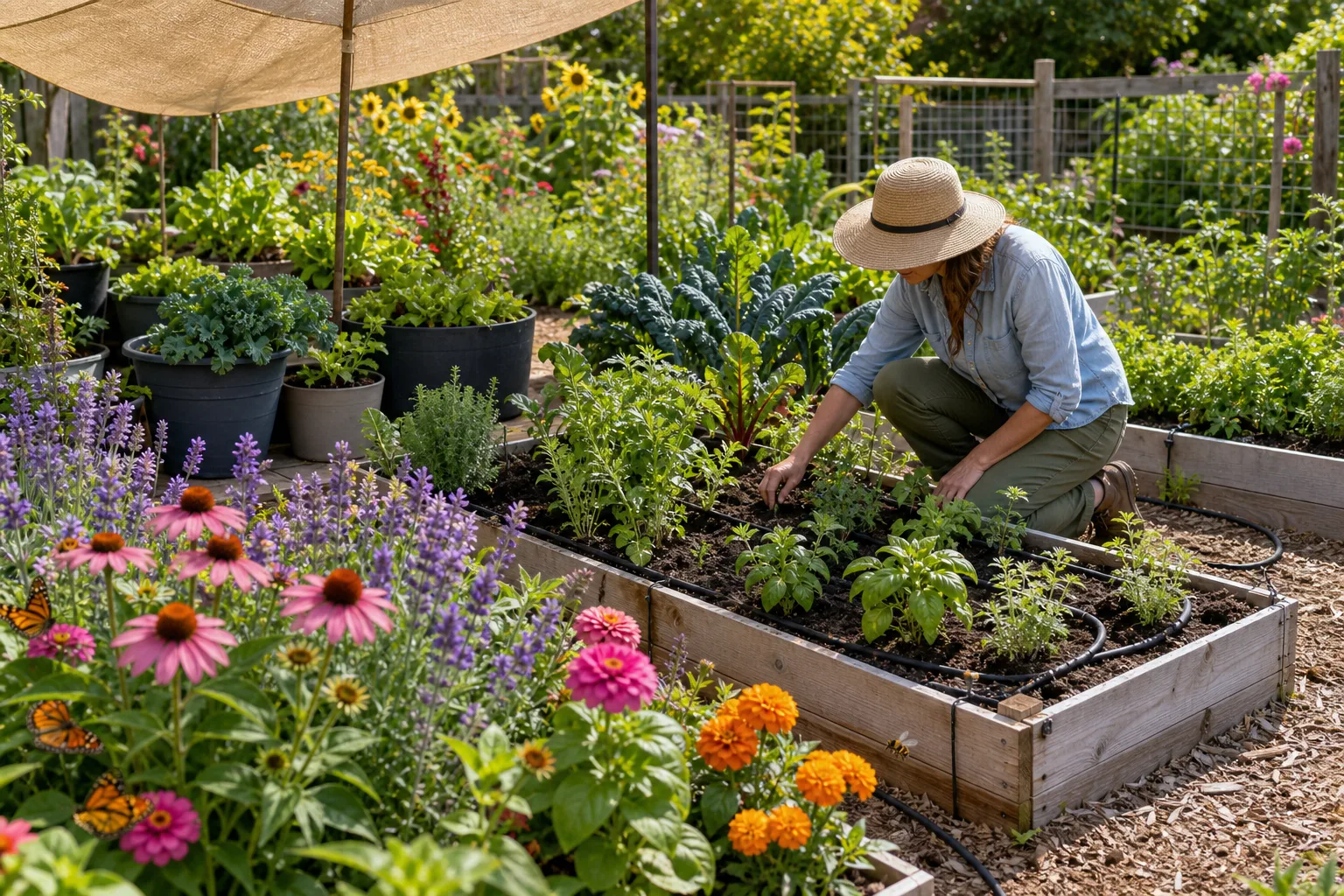
The June yard reset: water less blindly, mulch better, and give pollinators a reason to stay
A practical summer garden plan for hot weeks: deeper watering, mulch, shade judgment, soil care and pollinator-friendly choices.
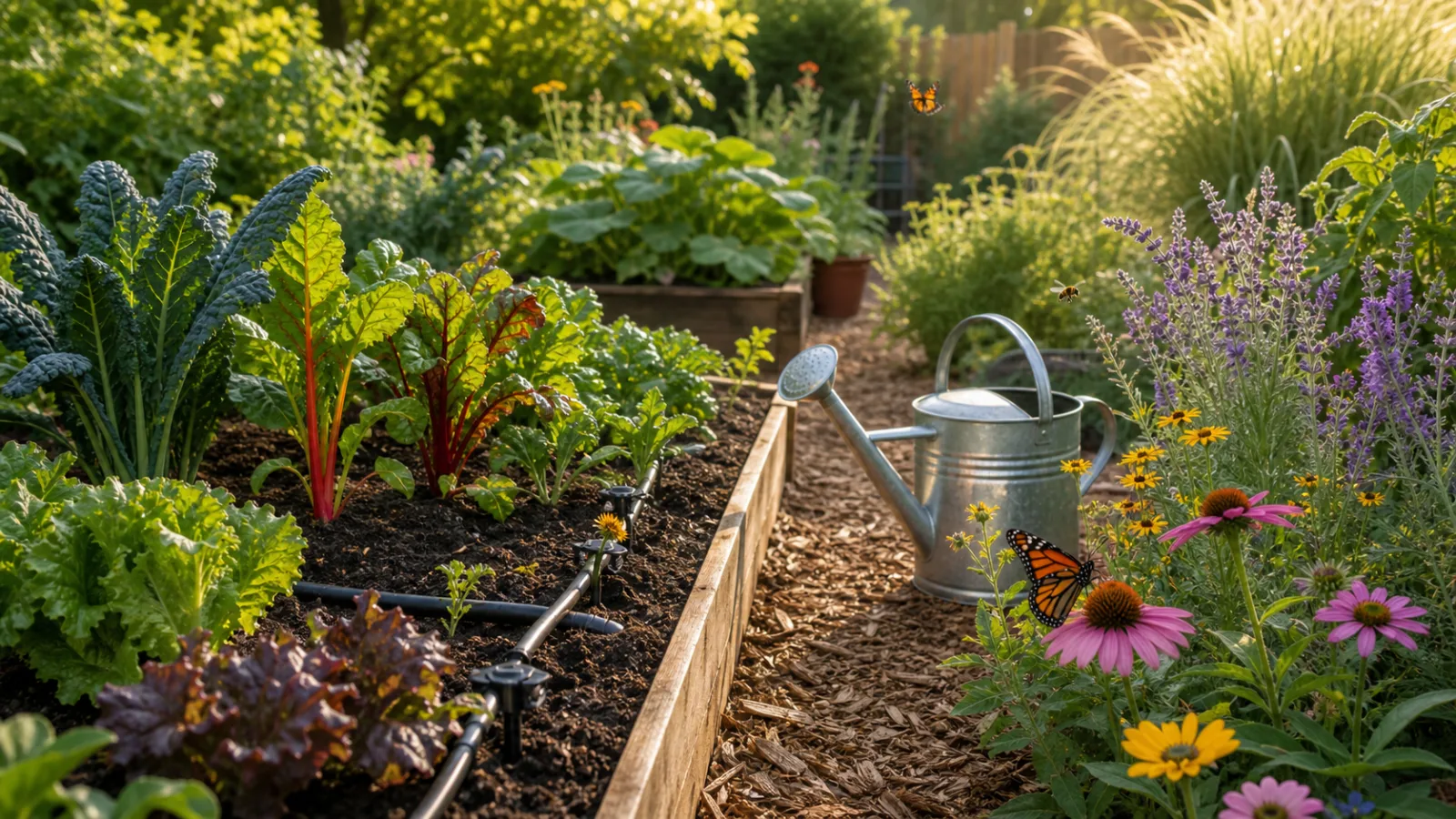
Fall Planting After a Hot Summer: How to Establish Trees and Shrubs Without Wasting Water
Early fall can be a better planting window than spring, but only if the soil, root ball and watering plan are ready. This practical checklist covers what to plant, what to postpone, how to water, and which common shortcuts quietly kill new plants.
Comments
Sign in to comment.
No comments yet.