Chrome 的 AI 安全进展值得关注,因为它是工程流程而不是魔法
Google 称 Chrome 在两个 milestones 中修复了 1,072 个 security bugs。真正的进展是受控的 discovery、triage、tests 和更快 release pipeline。
Google 这次关于 Chrome 安全的消息,积极之处不是 AI 取代了工程师。真正有价值的是更朴素的模式:把 AI 放进成熟的安全工程流程里,作为受控的放大器。
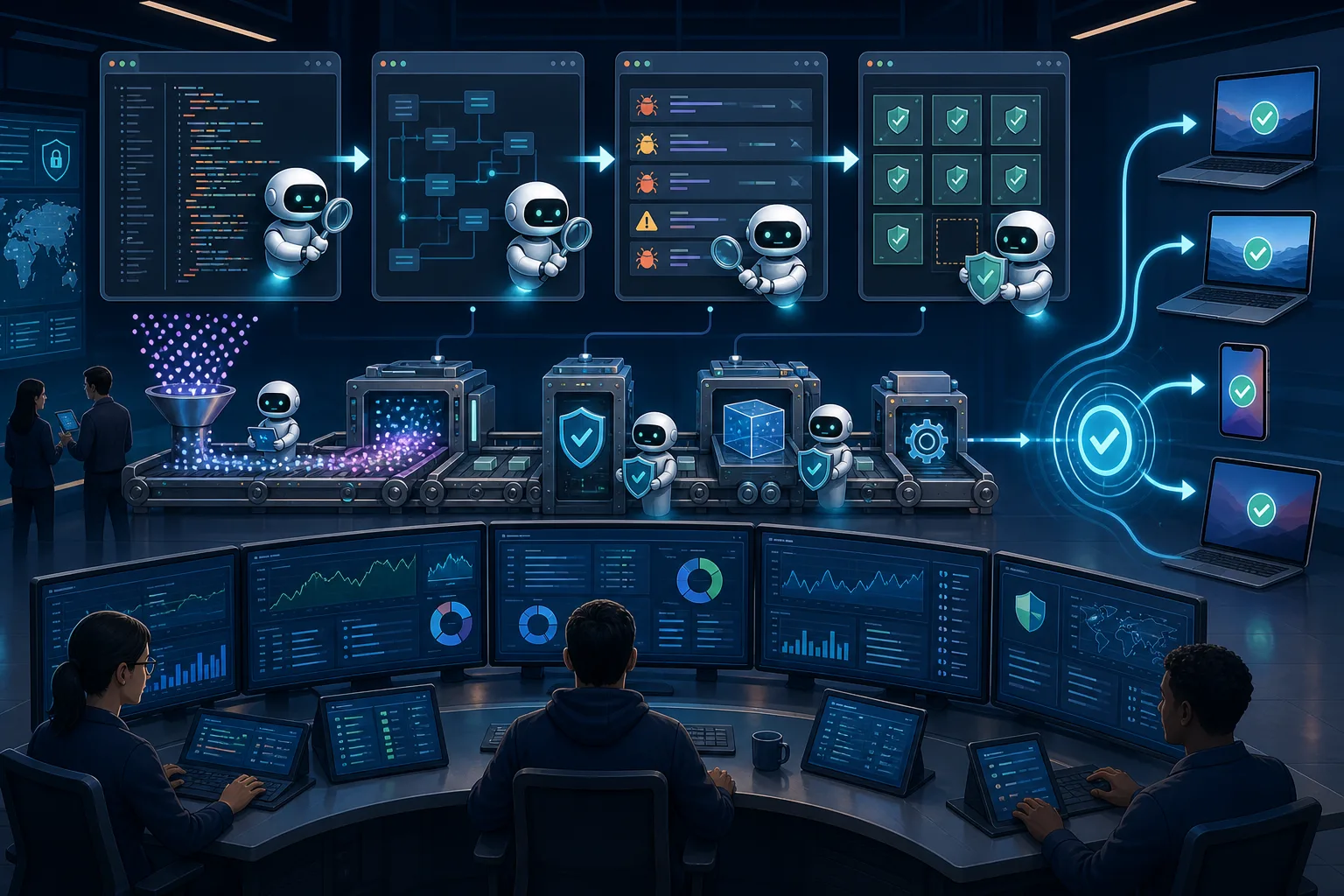
7 月 30 日,Chrome Security Team 称,Chrome 在 milestones 149 和 150 中修复了 1,072 个 security bugs,超过此前 23 个 milestones 的总和。Google 还说,Big Sleep 和 CodeMender 已经每 24 小时在 Chrome CI 中运行,并在 5 月阻止了 20 多个 vulnerabilities 进入 production,其中包括一个 critical S1+ issue。
这个数字比很多空泛的 AI productivity 叙事更具体,但它不是完整账本。Google 没有公开 false positives、reverts、regressions、人工 review 成本或 staffing 变化。Hacker News 讨论很快指出了这一点;检查时该帖有 547 points 和 576 comments。
Google 实际说了什么
这不是突然出现的 chatbot 奇迹。2023 年,Chrome 团队用 LLMs 改进 fuzzing coverage 和 performance。2024 年,Google 与 Project Zero 做了 Naptime,让 LLM 拥有专门的 vulnerability research 工具。2025 年,DeepMind 和 Project Zero 开发 Big Sleep,用于在 V8 和 graphics stack 中发现 bugs。
2026 年初,Chrome 用 Gemini 构建 agent harness,扫描更广的 codebase。Google 举例说,其中一个 sandbox escape 已潜伏 13 年以上,可能让 compromised renderer 诱导 browser 读取 local files。这个 harness 使用来自旧 CVEs 和 git history 的 knowledge base、描述 trust boundaries 的 SECURITY.md、critic agent 以及 repeated scans。
重点不在于“让模型保护 Chrome”。重点是 pipeline:明确的窄任务、足够的上下文、CI、tests、critic loop 和 human review。
为什么这是好消息
浏览器安全通常不可见,直到出事才被看见。Chrome 是日常基础设施。discovery、triage、fixing 和 release 如果更快,普通用户和企业暴露在漏洞窗口中的时间就会缩短。
Google 还想缩短 patch gap,也就是 fix 已出现在 open source code 中,但用户还没有运行更新版 browser 的时间。它提到 milestones 的两周 cadence、weekly security updates、two security releases per week 的试点,以及 dynamic patching,用于在许多情况下替换 Renderer 或 GPU 等 background child processes,而不强制完整 restart。
延迟重启听起来很小,但它可能就是攻击窗口。缩短这个窗口是实在的安全改进。
怀疑是必要的
HN 提出的问题合理:有多少 automated fixes 被 revert?有多少引入新 bugs?false positive rate 是多少?结果中有多少来自更多人力和更高优先级?
这些指标决定 AI security pipeline 是真正有效,还是只是更吵。一个产生大量噪声的 scanner 不会节省时间。数百个 patches 如果带来隐蔽 regressions,也不算胜利。Google 也在讲述自家 AI 工具的成功故事,因此 public CVEs、crash data、revert rates、外部研究者反馈和 exploit trends 会很重要。
为什么 AI 在这里更可信
很多 AI coding 失败来自任务太宽:整个 app、大 refactor、模糊 feature。Security scanning 更窄,也更容易用 tests、reproducers、severity rules、crashes 和 code review 验证。
LLMs 在这里像带上下文的智能 linters。它们可以追踪 dependencies,对比旧 CVEs,建议 tests,解释危险边界。但它们也会 hallucinate,可能只修 symptom 不修 root cause。所以 guardrails 很关键。
Google 称,source analysis 在没有 general internet access 的 locked-down machines 上 at rest 运行;network requests 通过 allowlists;不使用 unrestricted mode;subagents 只能访问指定 source directories。这个运行方式比模型名字更值得学习。
C++ 问题还在
Chrome 仍是巨大的 C++ codebase。许多浏览器风险仍是 memory safety risks。Google 提到 MiraclePtr、MiracleObject、spanification、checked math、heap partitioning,以及用 Rust 替换高 bug density 组件。
AI 可以找出更多 unsafe patterns。但更好的架构会让这些 patterns 更难写出来。合理路线是 fuzzing、AI-assisted analysis,以及逐步迁移到 safer primitives and languages。
其他团队能学什么
从受限任务开始:security triage、duplicate detection、severity metadata、dependency tracing、test suggestions、crash analysis 和 candidate patch review。给模型真实历史:CVEs、SECURITY.md、coding rules 和 known false positives。
继续使用 fuzzing。衡量难看的数字:false positives、rejected reports、reverts、regressions、review time,以及从报告到用户受保护的时间。对企业 IT 来说,vendor fixes 变快只有在 fleet 真正更新时才有用,所以 version visibility 和 relaunch policies 仍然重要。
好消息不是 AI 解决了 security。好消息是,一个保护 web 关键组件的团队,似乎找到了有限、可测量的方法,让防守者更快。
Related articles
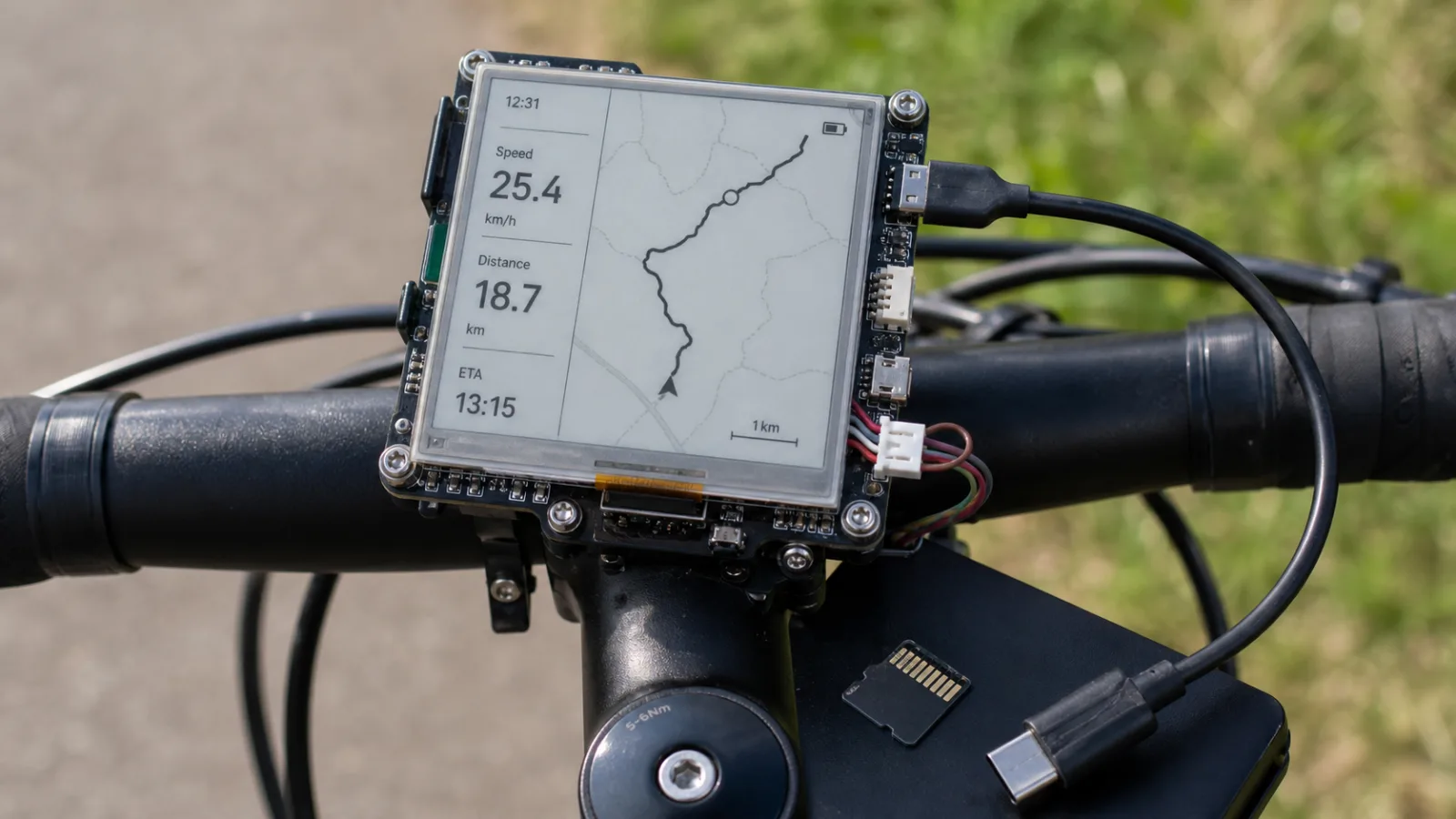
OpenTrailPaper:一台值得上路验证的开源电子纸码表
这个基于 ESP32-S3 的开源自行车码表项目已支持离线导航、GPX 路线跟随和 FIT 记录,但使用者仍需自行做好防护,传感器兼容性和续航也有待实测。
网络安全 AI 进入可信访问阶段,安全团队该准备什么
Gemini Flash Cyber、OpenAI Astra 和 Claude Mythos 显示:AI 正在走向漏洞发现和补丁建议,但访问权限与控制才是关键。
Przeglądarki AI tworzą nową granicę zaufania
Badania o agentic browsers, same-origin policy i BioShocking nie oznaczają paniki. Oznaczają izolację, limity i potwierdzanie działań przy wrażliwych sesjach.

Cyber-AI wchodzi w tryb trusted access: co muszą przygotować zespoły bezpieczeństwa
Gemini Flash Cyber, OpenAI Astra i Claude Mythos pokazują etap, w którym AI ma znajdować podatności i proponować poprawki, ale kluczowe są dostęp i kontrola.
Comments
Sign in to comment.
No comments yet.