Ham Radio & DIY Electronics
Latest publications
LILYGO T-Watch Ultra with LoRa: What It Can Actually Do, and Where It Stops
The T-Watch Ultra looks like a LoRa communicator on the wrist, but its real value is more specific: an ESP32-S3 development platform with a radio, display and sensors. Here is what the hardware enables—and what it does not replace.

Pocket Pico Brings the Heathkit HK-21 Packet-Radio Workflow Back on a Raspberry Pi Pico
A new homebrew TNC uses a Raspberry Pi Pico to emulate the Heathkit HK-21, run its original firmware, and handle 1200-baud Bell 202 audio. Here is what the design gets right, where the build is fussy, and how to test it safely with a packet station.
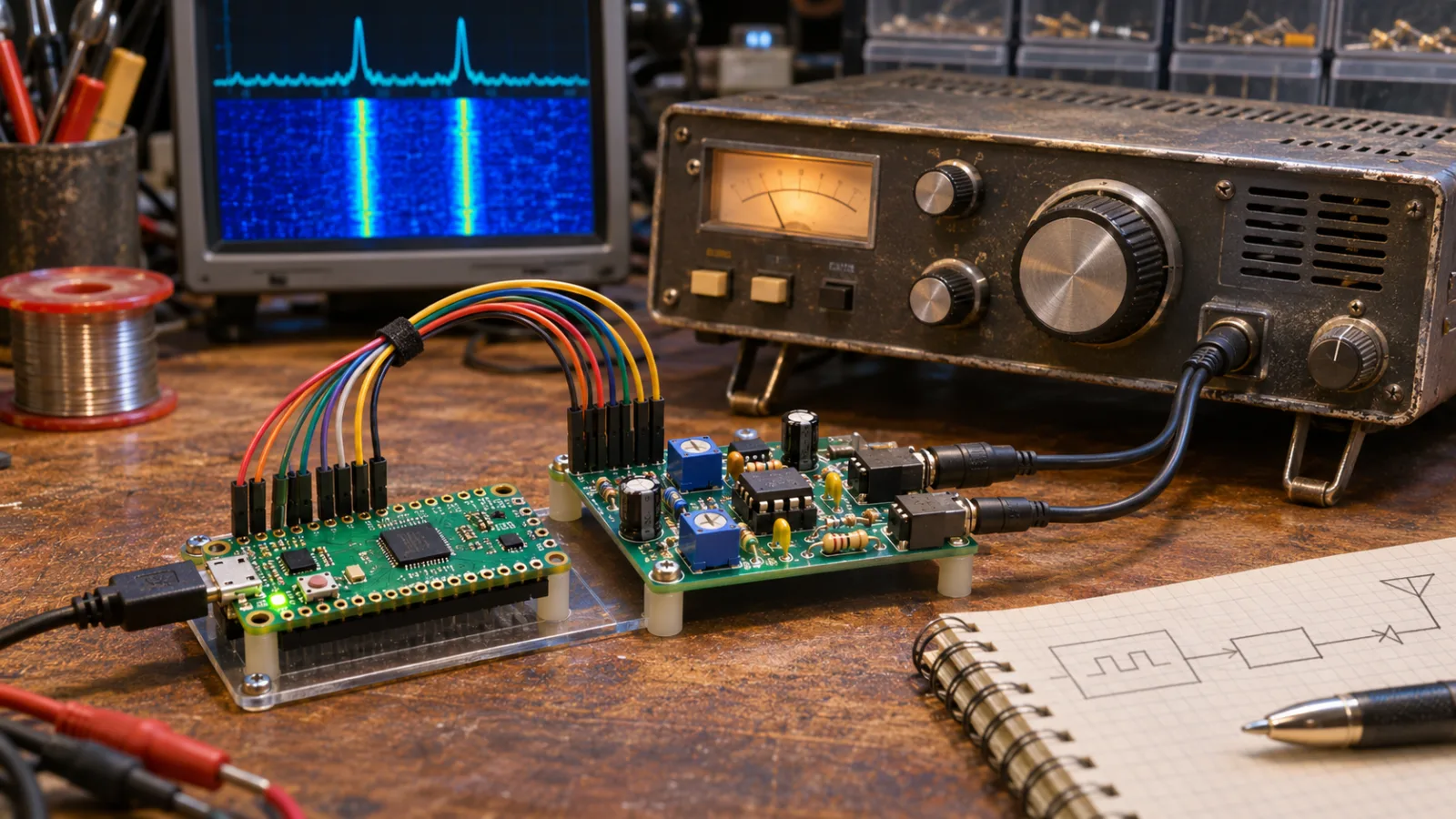
ARRL November Sweepstakes 2026: Check the Exchange and Online Log Workflow Before CW Weekend
The 2026 ARRL November Sweepstakes begins November 7. This practical checklist focuses on the exchange, operating-time rule, Cabrillo details, and the online-only submission workflow that can derail an otherwise valid log.
JTTY in WSJT-X 3.2: What Operators Should Test Before Treating It as an FT8 Replacement
WSJT-X 3.2.0-rc1 adds JTTY, a keyboard-to-keyboard weak-signal mode. Here is what its framing, bandwidth, release status and preliminary operating guidance mean for operators testing it alongside stable FT8 installations.
Use the Reverse Beacon Network to Test a Station Before the Next Contest
ARRL’s October 27 contesting session is a useful prompt to treat contest preparation as measurement: use RBN spots, controlled CQs, and a simple log to separate propagation, coverage, and station faults.
ISS SSTV Series 34: A Practical UHF Receive Plan for the Final October Passes
ARISS Series 34 is sending Robot 36 images about ARISS hardware from the ISS on 437.550 MHz. Here is a receive-first workflow for Doppler correction, pass timing, recording, decoding, and submitting usable images without relying on a perfect station.
HAARP’s October 23 Transmission Window: A Practical SDR Listening and Reporting Plan
HAARP’s research transmissions supporting the INFUSE-II and DUST-III sounding rockets run through October 24. Here is how operators and shortwave listeners can monitor the 2.8–10 MHz range without mistaking a variable research signal for a normal amateur-band opening.
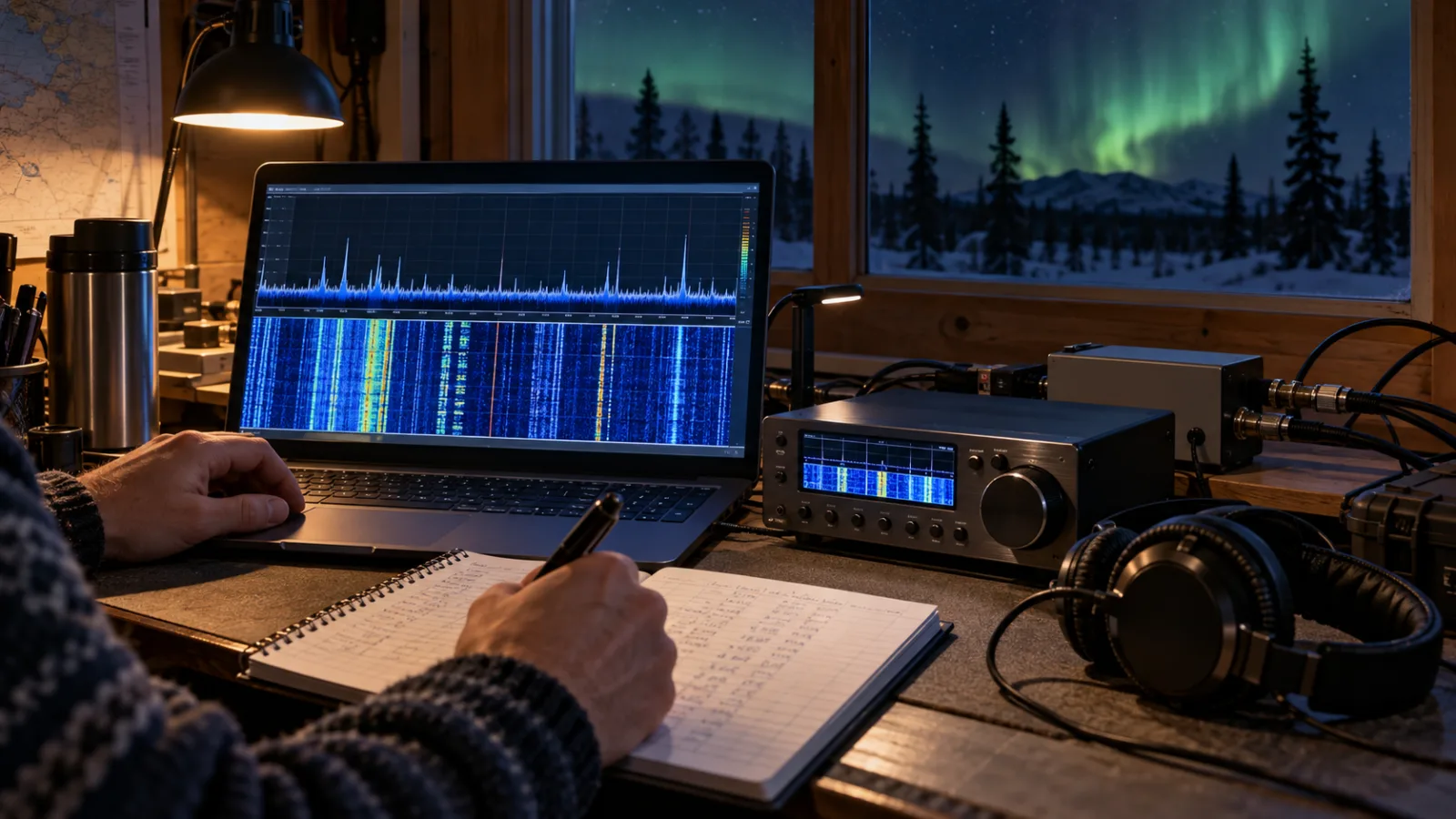
eBay’s New FCC-ID Rules: What Ham-Radio Sellers and Buyers Need to Check
eBay has tightened radio-equipment listings after new FCC marketplace rules took effect, while ham-band-only equipment remains exempt from FCC-ID display requirements. The practical question is whether a radio is truly limited to amateur frequencies.
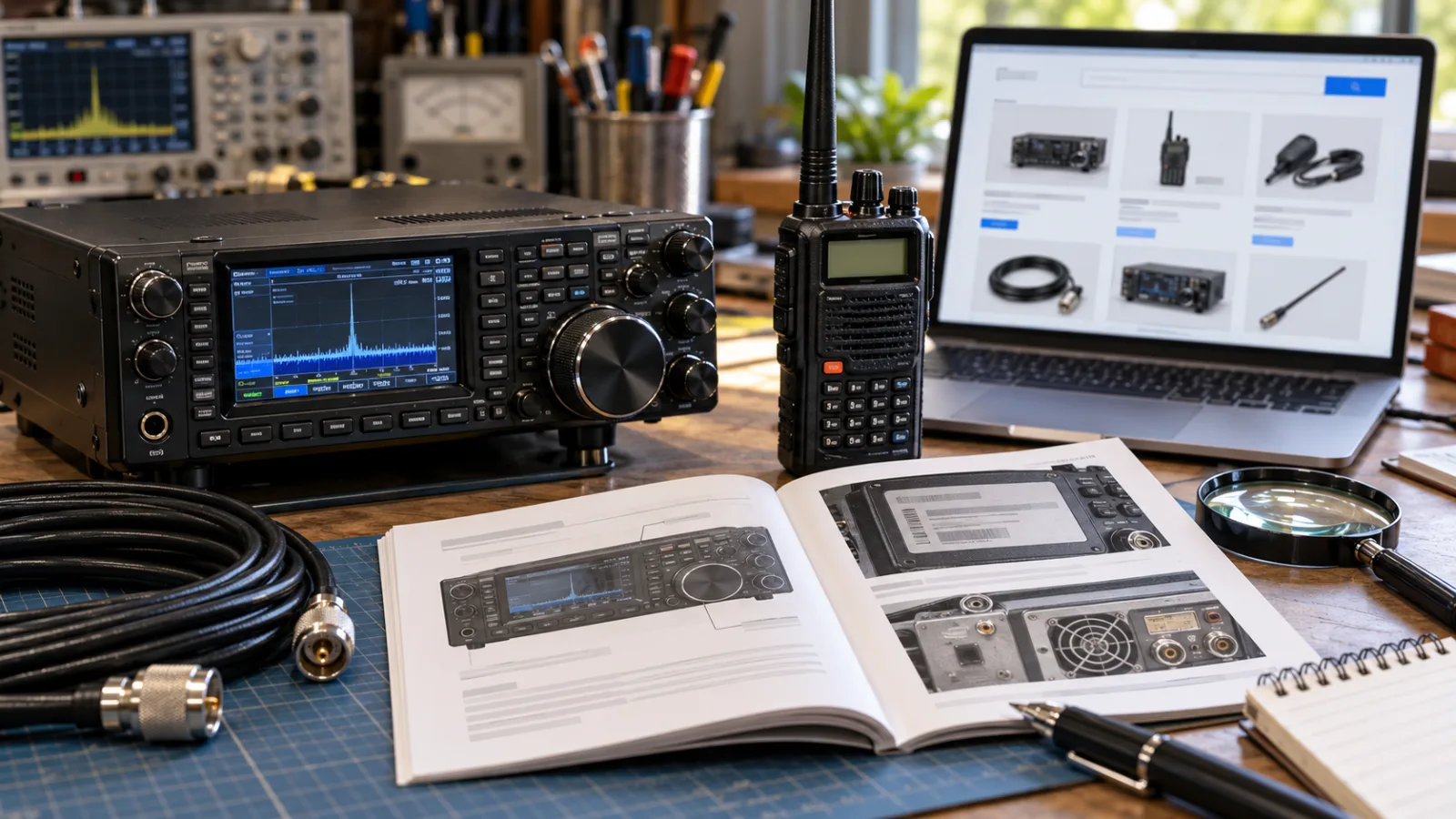
UNNE-1B Is Transmitting: A Practical Guide to Listening, Decoding, and Reporting Its 70 cm Telemetry
Nebrija University’s UNNE-1B satellite is now sending telemetry from orbit. Here is what the mission transmits, which frequencies and modes matter, how to build a receive-only station, and how to turn one pass into useful data.
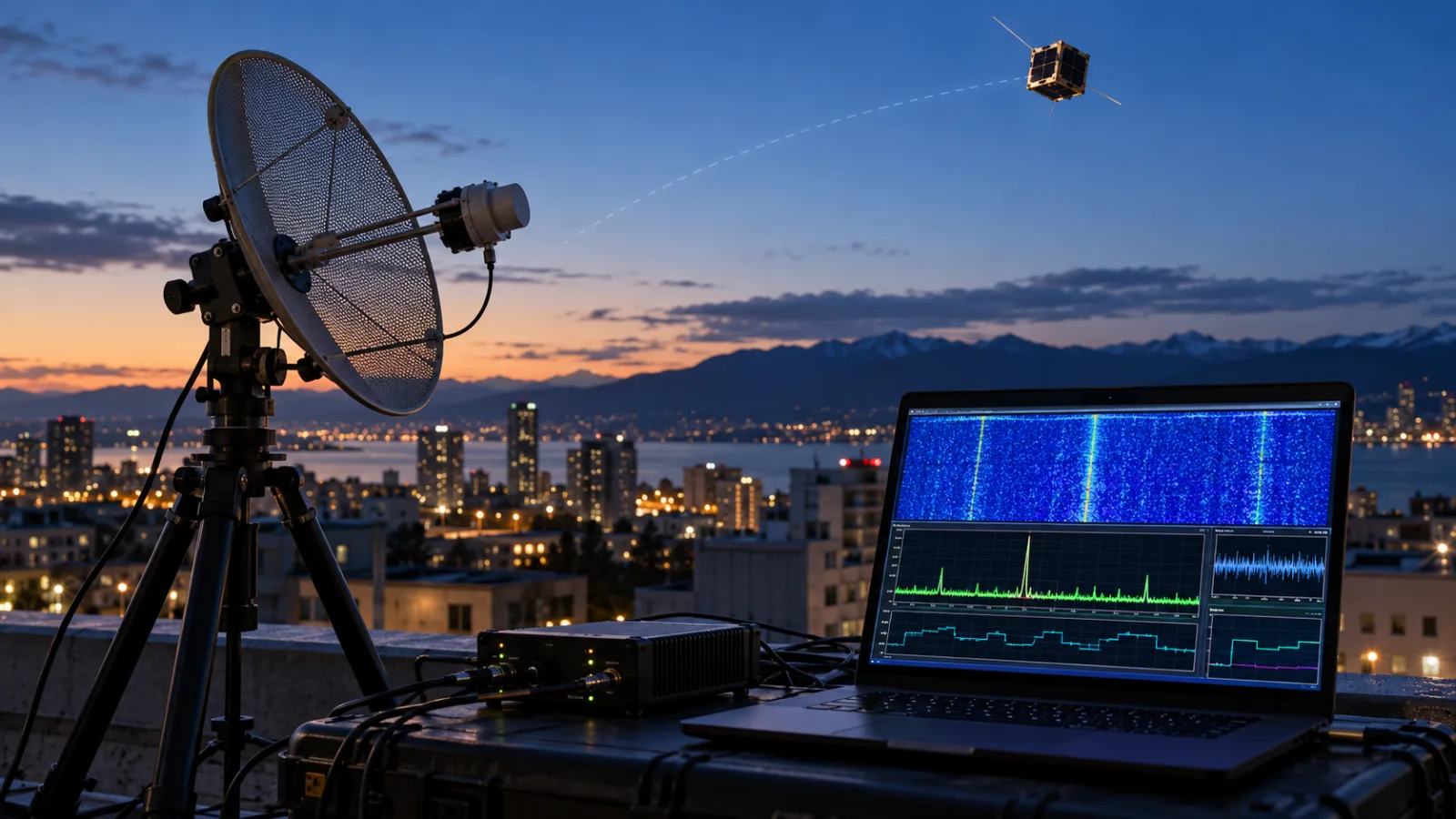
JOTA-JOTI 2026: A Practical Radio Station Plan for Welcoming New Operators
JOTA-JOTI runs October 16–18, 2026. A reliable station needs more than an antenna: it needs a safe operating script, licensed supervision, a band plan, simple logging, and activities that let visitors do more than watch.
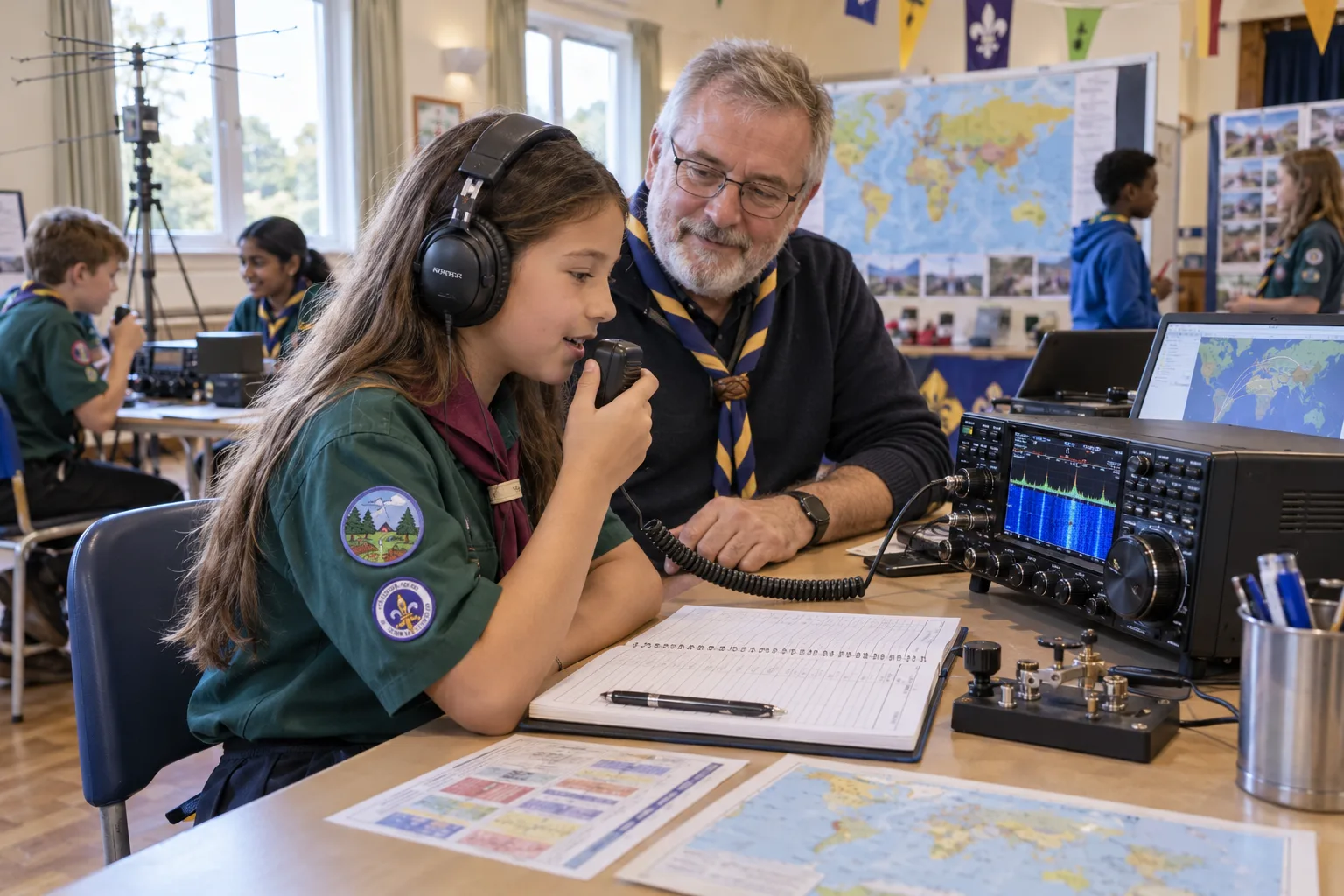
The First JARL World Wide RTTY Contest Is October 17–18: A Practical Setup and Logging Guide
JARL’s new World Wide RTTY Contest inherits the former JARTS weekend but introduces its own rules, exchange, categories, and Cabrillo details. Here is how to prepare a modest station without confusing Baudot RTTY with FT8-style automation.
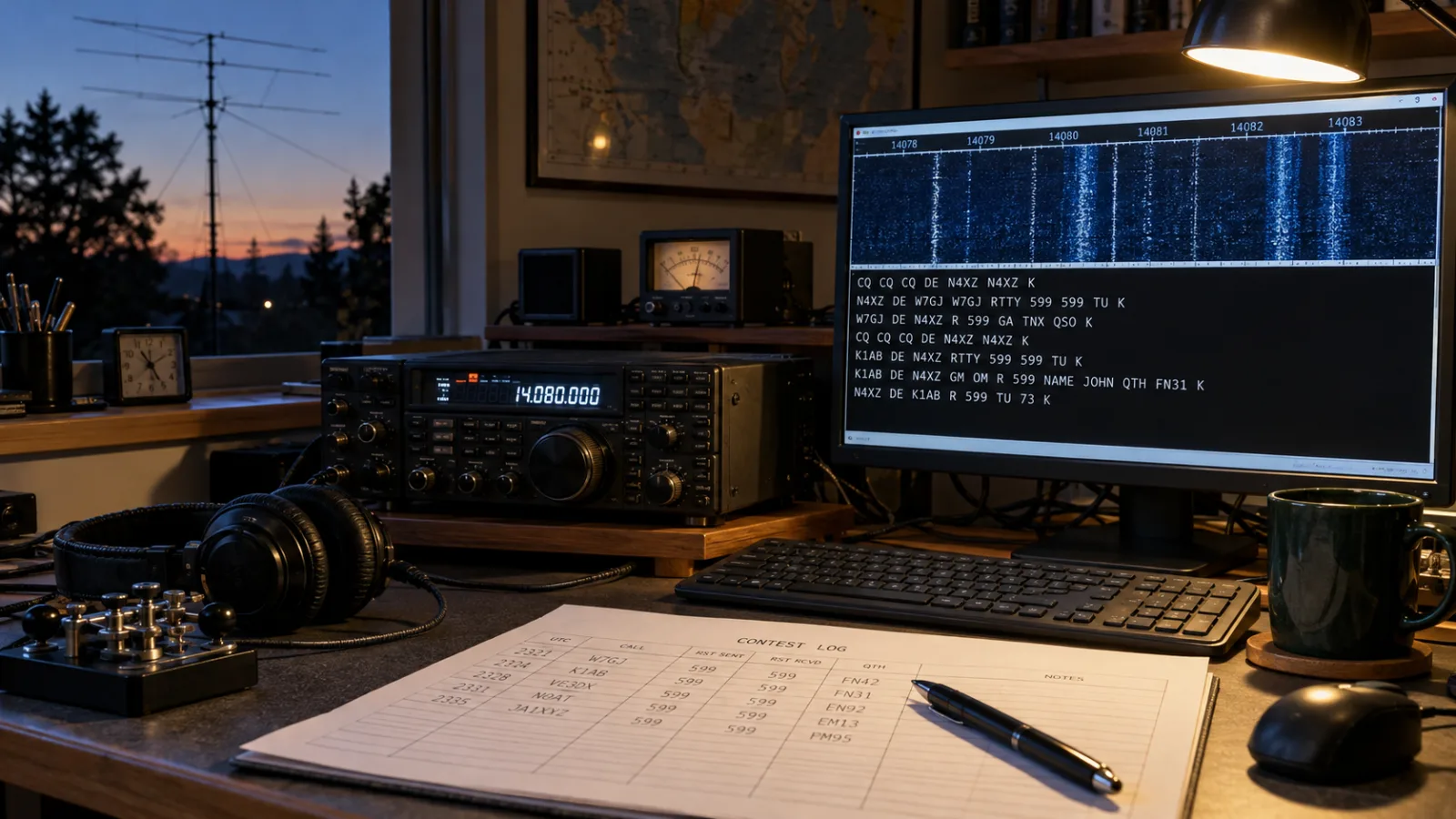
A G3 Storm Has Already Hit: How to Use FT8 and WSPR to Measure the October 11 HF Recovery
NOAA recorded G3 geomagnetic activity on October 10 while CME effects continue into October 11–12. Here is a controlled way to use FT8, WSPR and ordinary band checks to separate ionospheric change from station problems.