CREATE YOUR OWN LGBTQ+ VIRTUAL REALITY HEALING CLUB!
When I was young, I heard the cries of the oppressed. I wanted to do something about it. With modern techniques, we can empower our beloved and adored LGBTQ+ family and community.
Imagine flying through colorful worlds filled with creativity, encouragement, music, and hope! 🌎💖 Virtual reality (VR) and accessible, evidence-based information make it easier than ever to explore a healing club for LGBTQ+ people, including lesbian, gay, bisexual, transgender, nonbinary, and other gender-diverse individuals.
1. 🧠 Start With Evidence-Based Ideas
Ask an AI tool: “What evidence-based strategies can help LGBTQ+ people cope with discrimination, stress, and oppression?” Have mental health professionals review therapeutic claims and experiences before presenting them as treatment.
2. 🎮 Build Your Club
Keep it creative! Members can contribute VR experiences, uplifting messages, artwork, and ideas. Make it a welcoming space for exploration, connection, and fun—not a substitute for professional care.
3. 🎨 Create Amazing Worlds
Try free VR art tools like Open Brush to paint colorful 3D worlds, design encouraging messages, and let visitors fly through their creations. Add music where licensing permits!
4. 🤖 Explore AI for Inspiration
Ask ChatGPT for ideas for free VR wellness experiences. Check the facts, respect privacy, and have qualified professionals review any mental health guidance.
5. 🌟 Imagine the Possibilities!
Create joyful art worlds, confidence-building adventures, calming spaces, or interactive lessons about healthy thinking. My own vision includes a world where young people can explore encouraging messages and discover healthier ways to cope with despair.
6. 💖 Make It Your Own
Your club could focus on joy, belonging, self-expression, resilience, or simply having fun. Start small, invite creativity, and build something welcoming together!
Important: VR wellness activities are not a replacement for mental health care. Experiences intended for children or people in crisis need appropriate safeguards and professional guidance.
🌈 Let’s turn creativity into connection—and imagination into hope!
7. I think the hardest part in my experience is the lie that LGBTQ+ people are pedophiles. That hit me hard before I even knew what one really was. While growing up, I found out that this is not true, but I didn't know how to mentally navigate the judgement, which meant I did not know how to deal with their emotional hell. Creating a space that helps empower people in light of these types of oppressive judgements, is what I'm really getting at. If someone hears about a gay person being abused, then we would have a Virtual Reality response. When we hear about a Lesbian killing herself, we need places where we can grieve and also learn how to empower each other.
We build a world that resists all the hatred, giving future LGBTQ+ the tools necessary to stay mentally and emotionally fit, geared specifically to the challenges we faced alone.
Related articles
The Healing Potential of Virtual Reality: A New Frontier for the Human Mind
With Virtual Reality can we create unlimited free healing spaces for anything dealing with thoughts and emotions?
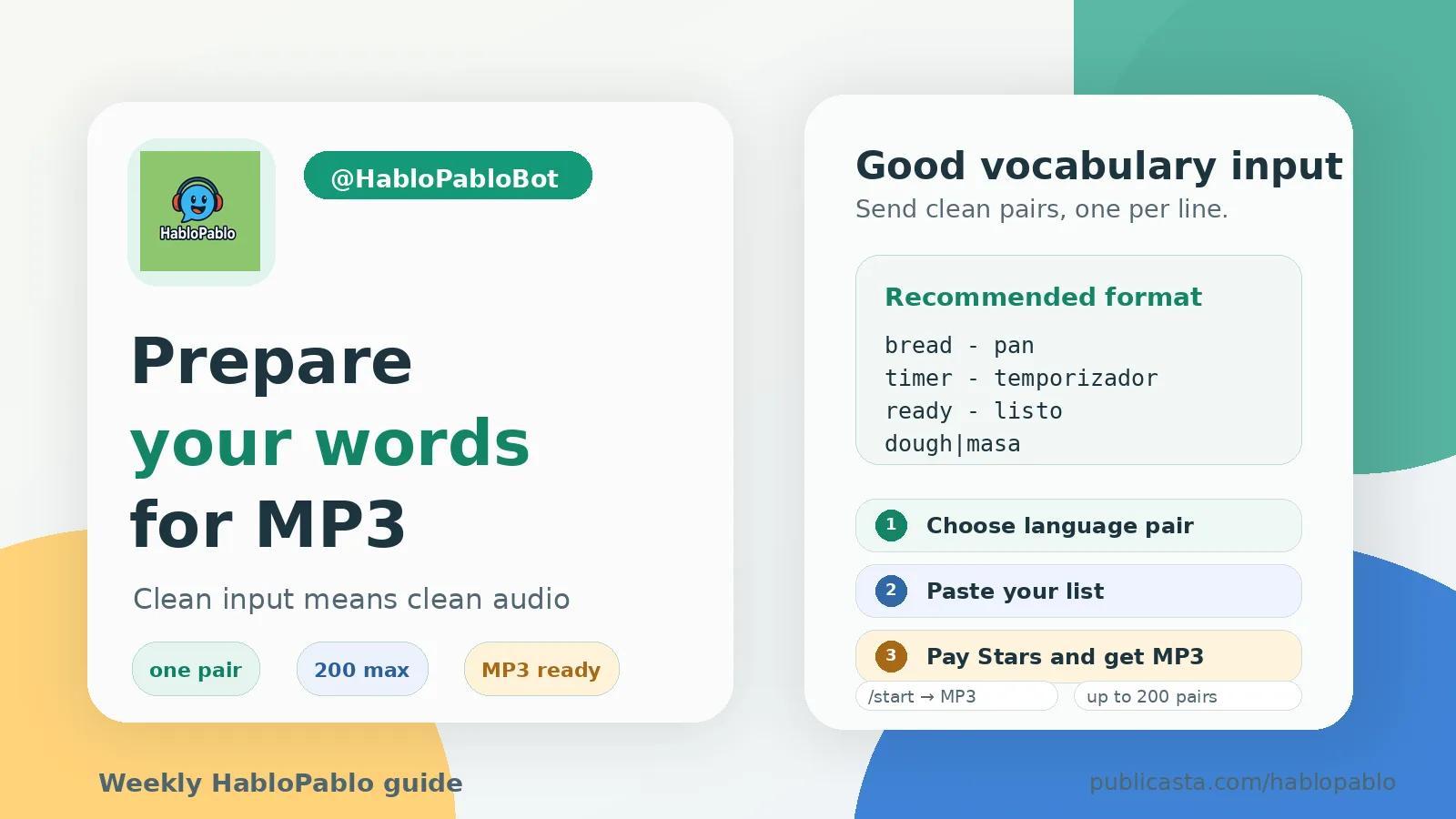
How to send your own vocabulary for MP3 without errors
A clean MP3 vocabulary is just one pair per line. Here is the safest format, current limits, and what to remove before sending your list.

Using AI for Pet Care Without Letting a Chatbot Replace Your Vet
AI is moving into veterinary clinics and pet-owner conversations at the same time. Here is where it can help with preparation and explanation, where it becomes unsafe, and how to turn a chatbot answer into a better conversation with a veterinarian.

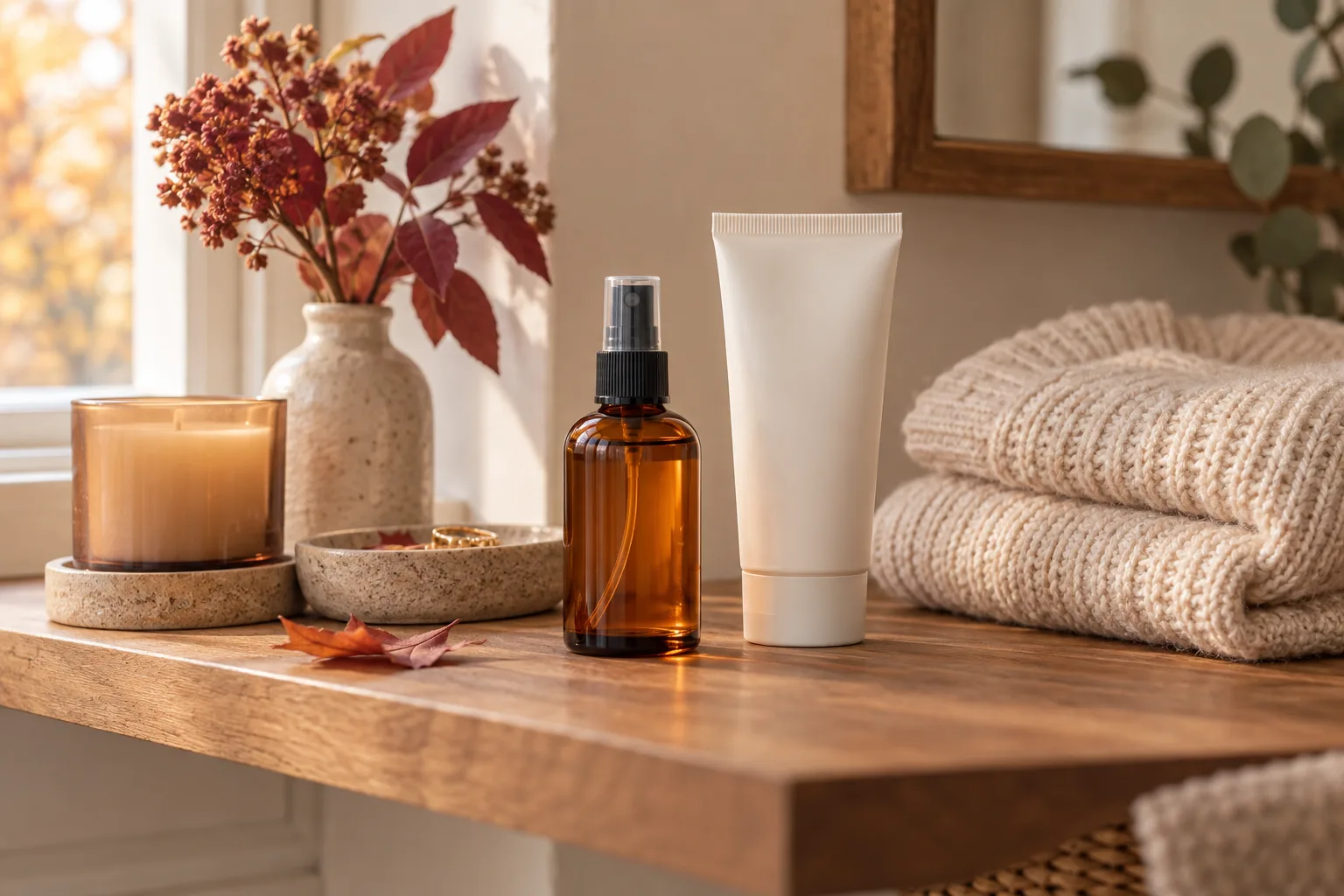
How to Try Fall Fragrance and Scented Body Care on a Budget Without Irritating Your Skin
Fall fragrance is moving into body washes, lotions and affordable mists. The smart budget move is not buying every scent; it is choosing where fragrance belongs in your routine and where fragrance-free still wins.
Comments
Sign in to comment.
No comments yet.