Delivery robots have reached the sidewalk test
Small autonomous couriers promise cleaner last-mile delivery, but the backlash shows that sidewalks are not spare space for private robots.

The first time many people meet a working autonomous robot, it is not in a lab, a factory or a glossy demo video. It is on a sidewalk, carrying somebody else's lunch.
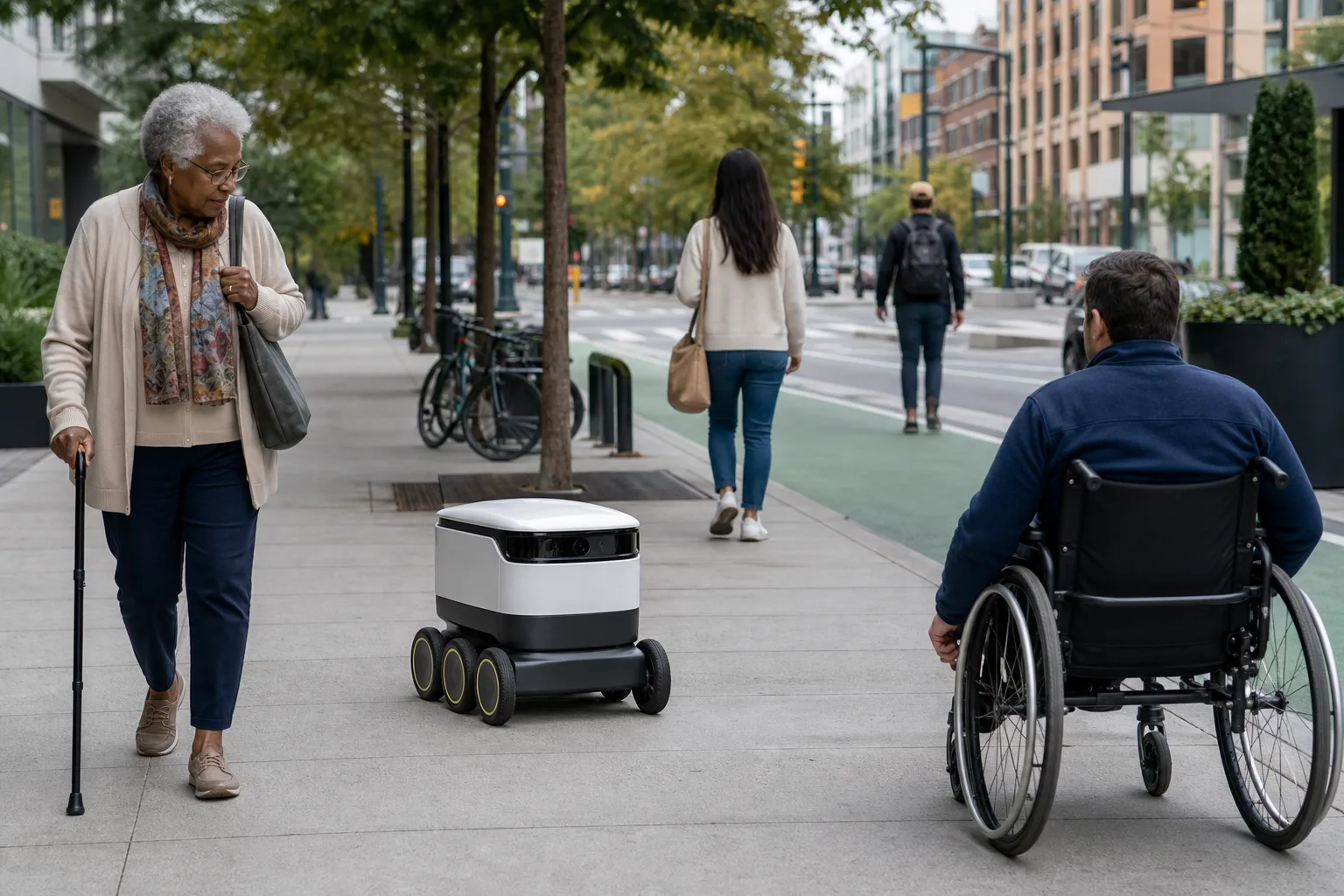
That detail matters. Delivery robots have become one of the most visible forms of everyday robotics because they move through public space, not controlled sites. They use cameras, sensors, GPS and remote help to carry groceries or fast food across short distances. Companies pitch them as cleaner, cheaper last-mile logistics. Cities and residents are starting to ask a harder question: who pays when a private robot uses the sidewalk?
The backlash is no longer theoretical. A BBC report in June described Chicago residents who first found the robots futuristic, then changed their minds after having to move around them on the only strip reserved for walking. The same report cited limits in San Francisco, a sidewalk prohibition in Toronto since 2021, bans in two small Chicago areas, and a possible temporary ban in Glendale, California. A Chicago petition had around 4,400 signatures at the time of the BBC article.
Hacker News readers picked up the BBC story and turned it into a blunt accessibility debate. One commenter described a wheelchair user who hates encountering robots that take up the whole sidewalk and respond by blinking and beeping instead of yielding. That is the core issue. A robot that merely stops may be safe in a narrow engineering sense, but it can still block a person who cannot safely roll off a curb.
This is a robotics story, but not only a robotics story. It is about public space.
What these robots promise
Sidewalk delivery robots are small autonomous urban delivery vehicles. They usually look like cooler-sized boxes on wheels. Starship, Coco and Serve are among the most visible operators, though their fleets, markets and partners differ. The vehicles use cameras and other sensors to detect obstacles, plan routes and cross streets. Many systems also rely on remote operators or remote assistance when the robot cannot handle a situation alone.
The business case is easy to understand. Using a car or motorcycle to move one burrito a mile is wasteful. A small battery-powered robot can be quieter and more energy efficient than a short car trip. It may reduce some delivery traffic, especially on campuses, in planned districts or in neighborhoods where trips are genuinely short.
Starship says its robots have become part of daily campus life in many places and says it has passed 10 million deliveries. Coco's own site advertises more than 1 million miles traveled, 1,000 robots produced and 500,000 successful deliveries. Transforma Insights describes the category as autonomous delivery robots used on sidewalks and paths, equipped with cameras, LiDAR or other sensors and cellular connectivity. The same firm forecasts hundreds of thousands of automated urban delivery vehicles by the mid-2030s.
So the technology is real. The convenience is real too. But none of that answers whether the sidewalk is the right place for mass deployment.
The sidewalk is not spare capacity
The mistake is treating the sidewalk as unused urban space. It is not. It is critical infrastructure for people who walk, use wheelchairs, push strollers, guide children, carry shopping, walk dogs, use canes, wait for buses or navigate broken curb cuts.
A sidewalk can look wide in a product video and become narrow in real life. Add a tree pit, a cafe table, snow, roadworks, a parked scooter, a trash bin, a curb ramp or a group of schoolchildren, and the margin disappears. A delivery robot that is harmless on an empty campus path can become an obstruction on a busy block.
That is why accessibility keeps coming up. The problem is not only collisions. It is forced negotiation. A pedestrian can step aside. A wheelchair user may not be able to. A person with low vision may not interpret a blinking box as a vehicle. A parent with a stroller may have no safe place to move. When the robot's safest behavior is to stop and wait, the human may still be the one being asked to solve the problem.
If a robot saves a delivery company money but pushes the cost onto pedestrians, the efficiency claim is incomplete.
Cities are reacting unevenly
The rules are still messy. BBC reported that San Francisco has limited access to less busy areas, Toronto has prohibited the robots from sidewalks since 2021, and Chicago has banned them from two small areas. Glendale officials have discussed a temporary ban after residents and council members raised concerns about accessibility, pedestrian movement and whether companies had permission to use public sidewalks for business.
This is similar to the e-scooter fights from a few years ago. Cities were asked to accommodate a new mobility product after it had already appeared in public space. The companies framed it as innovation. Residents saw clutter, unclear responsibility and a private business using shared infrastructure.
Delivery robots may be more polite than abandoned scooters, but the governance problem is familiar. Who approves the routes? Who sets speed and weight limits? Who checks insurance? Who receives incident reports? Who can order a fleet off a block after repeated complaints? Who decides whether a narrow sidewalk is off limits?
Those questions need answers before fleets scale, not after.
The engineering is harder than the demo
Autonomous sidewalk navigation is a hard robotics problem because sidewalks are full of people who did not agree to participate in the test.
A controlled campus route can be mapped, measured and supervised. A city block is messier. There are dogs, children, wheelchairs, cyclists, rain, uneven paving, temporary construction, curb ramps, delivery riders, road closures, vandalism and people who simply dislike the machine. A robot has to handle all of that without assuming the human will always move first.
The public footage and local reports around vandalism are a warning sign, not a joke. TechSpot collected examples of people kicking, grabbing or destroying delivery robots and tied the reaction to wider unease about automation in public space. Vandalism is not a policy argument, but it tells operators that social acceptance is part of the system. If people see robots as sidewalk squatters, autonomy software alone will not fix the deployment.
Labor is part of the debate
Companies often frame delivery robots as replacing short car trips. Unions and delivery workers hear a different claim: replacing paid human work. The BBC article included the IWGB union's concern that robot delivery at scale could harm precarious delivery workers.
Both things can be true in different markets. On a campus, a robot may replace a short app order that might otherwise be driven. In a dense urban area, it may compete with people on bikes or scooters. That distinction matters. If the robot replaces a car trip, the public benefit is easier to argue. If it replaces a worker while occupying the sidewalk, the city may ask what it gets in return.
A serious rollout should publish enough data to let the public judge that tradeoff: trip length, replaced mode, incident rates, blocked-route reports, remote intervention rates, energy use and complaint resolution. Marketing claims are not enough.
What good regulation could look like
A city does not have to ban delivery robots forever to take pedestrians seriously. It can require permits, insurance, transparent fleet data and clear liability. It can set speed and weight limits. It can restrict robots to sidewalks above a minimum usable width. It can geofence crowded areas, school entrances, transit stops, hospital zones and narrow historic streets. It can require accessibility testing with wheelchair users, blind pedestrians and people using canes or walkers.
Incident reporting should be public enough to matter. If a robot blocks a curb cut, enters a crosswalk at the wrong time, traps a wheelchair user or loses remote connection, that should not disappear into a company support inbox. Cities need escalation powers: warnings, fines, route changes and temporary suspension.
Remote operation also needs rules. If the robot cannot solve a situation, how fast must a human operator respond? How many robots can one operator supervise? What happens when cellular coverage fails? What is the robot allowed to do near emergency vehicles?
The answer cannot be "trust the startup."
Where robots make more sense
The strongest use cases are controlled or semi-controlled environments: university campuses, large industrial sites, hospitals, business parks, planned residential districts and grocery routes with wide paths. Starship's campus deployments are a good example of why the category should not be dismissed outright. In the right environment, small robots can be useful and less intrusive than cars.
Dense city sidewalks are a tougher test. That does not mean impossible. It means deployment has to be local, measured and reversible. Start small. Publish rules. Let neighborhoods object. Do accessibility audits before rollout, not after the first viral video. Keep high-pedestrian zones off limits unless the robot can prove it improves movement instead of taking space from it.
Robots should earn access to public space the way other vehicles do: with rules, accountability and evidence.
The real test for everyday robotics
Delivery robots are often designed to look cute. That helps for marketing, but cuteness is not a license to occupy the sidewalk. A blinking face does not solve a blocked curb ramp. A friendly beep does not answer a wheelchair user's question: why is this machine allowed to stop me?
The larger lesson for robotics is uncomfortable. Technical capability is not the same as permission. A robot can navigate, avoid collisions and complete orders, yet still make the city worse if it treats pedestrians as obstacles rather than citizens.
Delivery robots may become a useful part of urban logistics. They may reduce some wasteful vehicle trips. They may work beautifully on campuses and carefully chosen routes. But the future should not require people to step into the street so a private box can deliver fries.
If robots are coming to the sidewalk, the sidewalk needs rules written for humans first.
Related articles
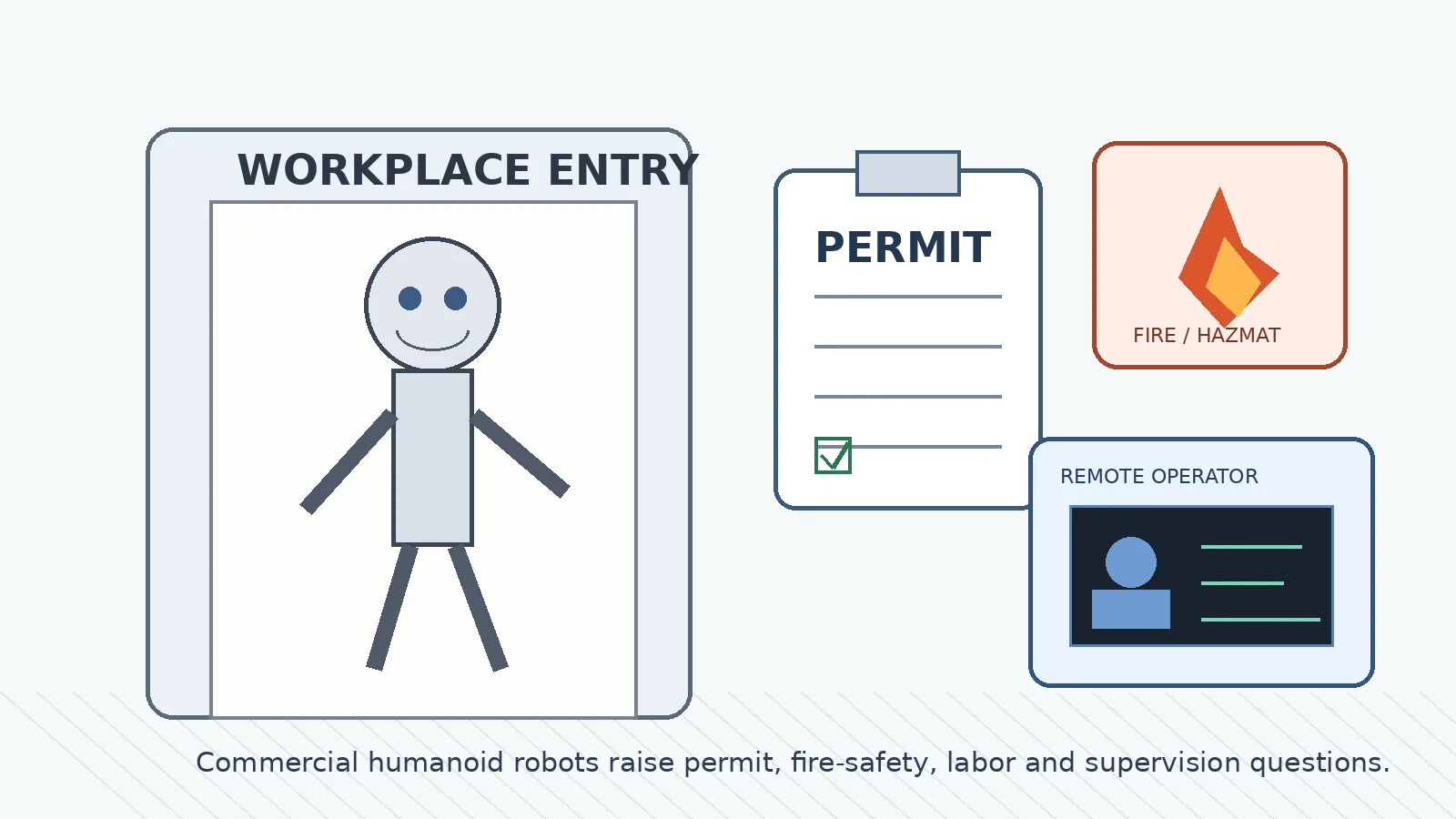
San Mateo’s humanoid robot permit push tests the rules for physical AI
A Silicon Valley county is not banning humanoid robots; it is asking what permits, fire rules, supervision and labor disclosures must exist before commercial deployment.
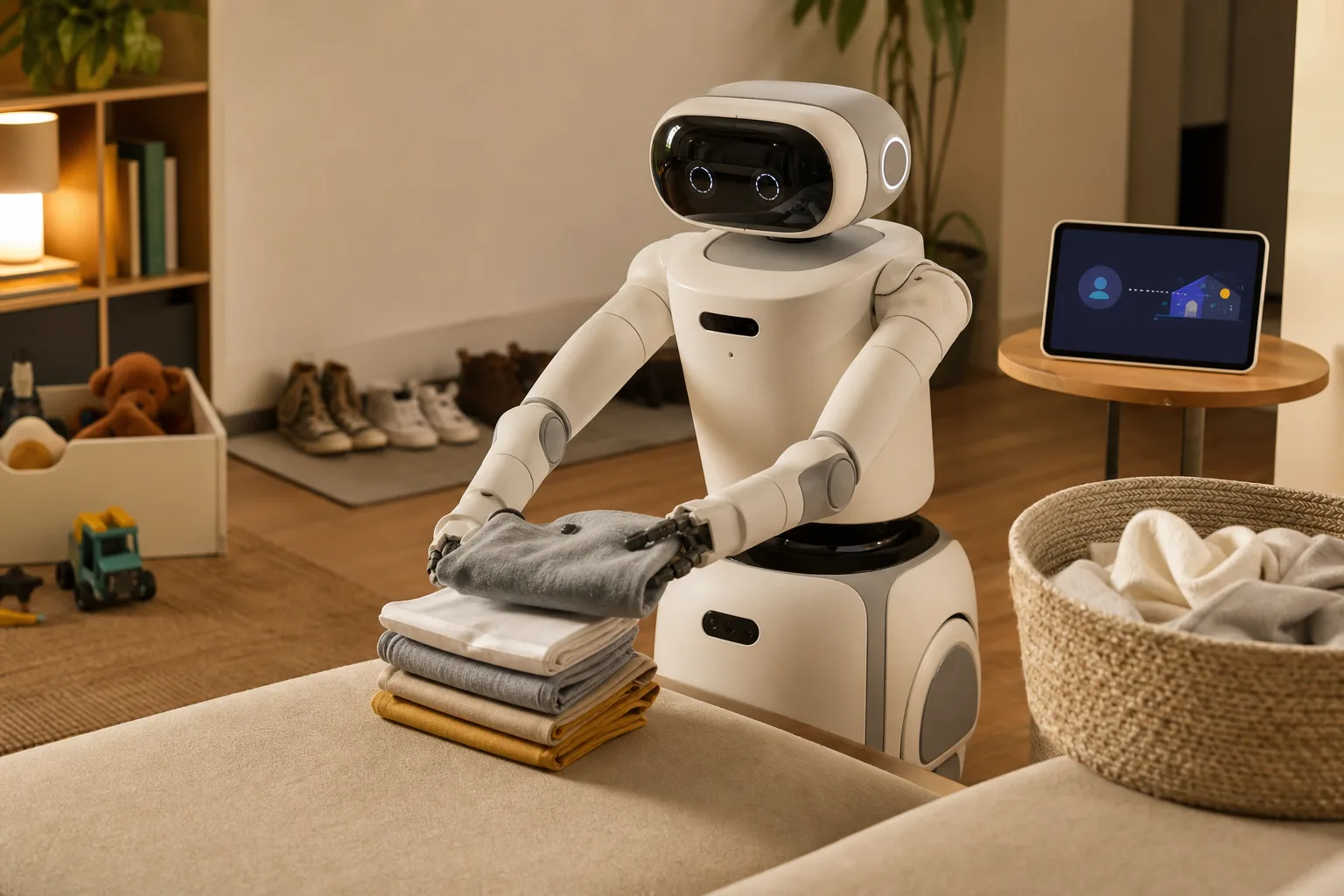
Isaac 1 shows the uncomfortable middle stage of home robots
Weave’s $7,999 home robot is compelling because it targets laundry and tidying, but its remote-assistance model makes privacy, trust and service economics the real test.
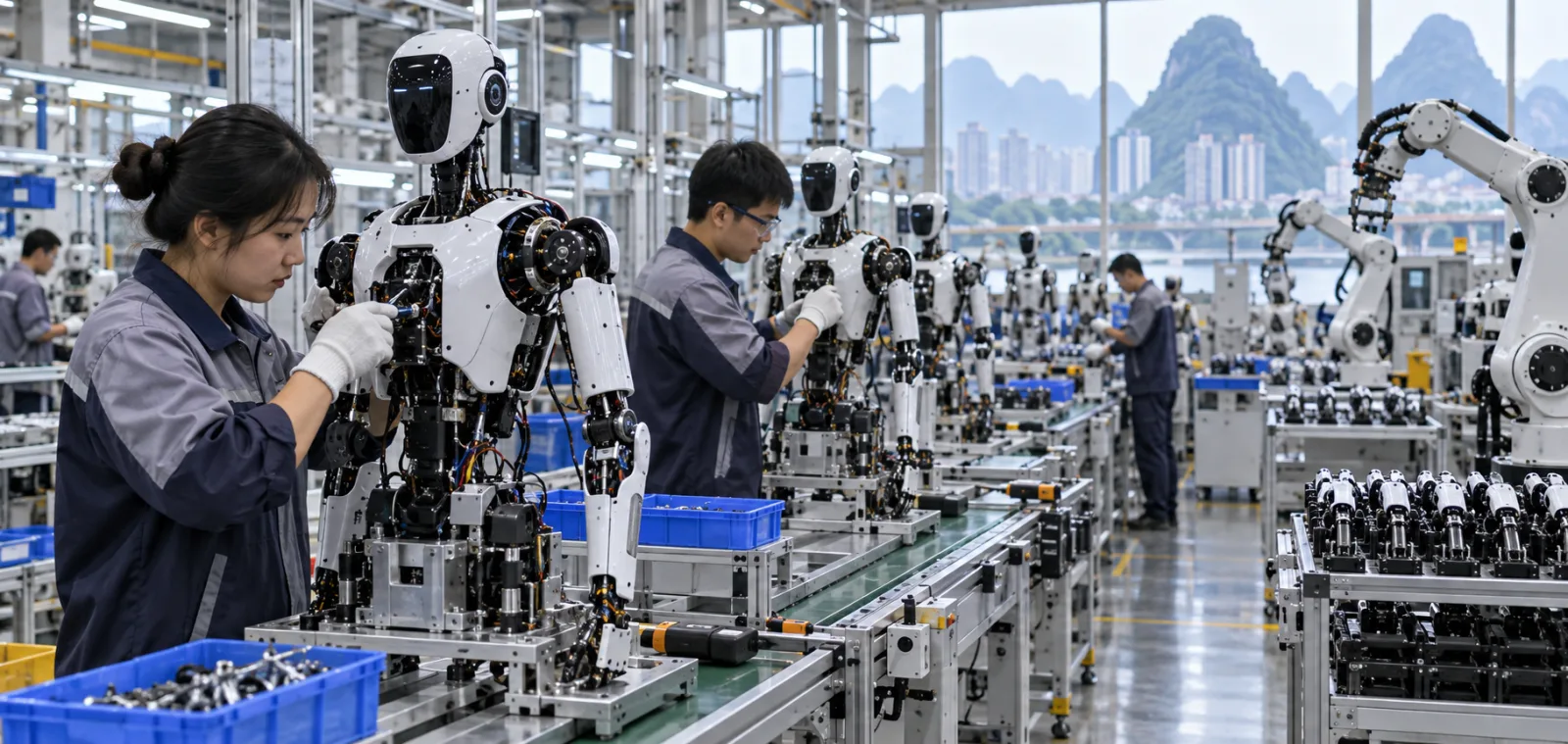
UBTECH’s Liuzhou Factory Puts Humanoid Robotics’ Manufacturing Problem on the Clock
UBTECH has started production at a Liuzhou factory designed for more than 10,000 industrial humanoid robots a year. The important question is no longer whether a robot can be demonstrated, but whether capacity can become dependable output and useful work.
Robotics is still waiting for reliability, not another demo video
Physical AI has better models, cheaper developer robots and stronger industrial demand. The missing breakthrough is not spectacle — it is dependable work in messy real environments.
Comments
Sign in to comment.
No comments yet.