Should you buy a robot vacuum-mop combo in 2026?
A practical verdict on when a robot mop-vacuum earns its price, and when it becomes one more chore.

Robot vacuum-mop combos have crossed an awkward line. A few years ago they were either useful little sweepers or fussy floor-polishing toys. In 2026, the better models can vacuum, mop, lift pads over rugs, empty dust, wash mop pads, and return to work with little supervision. That does not make them an automatic buy. It makes the purchase more specific: they are worth it when your home has the right floors, the right mess, and the right tolerance for maintenance.
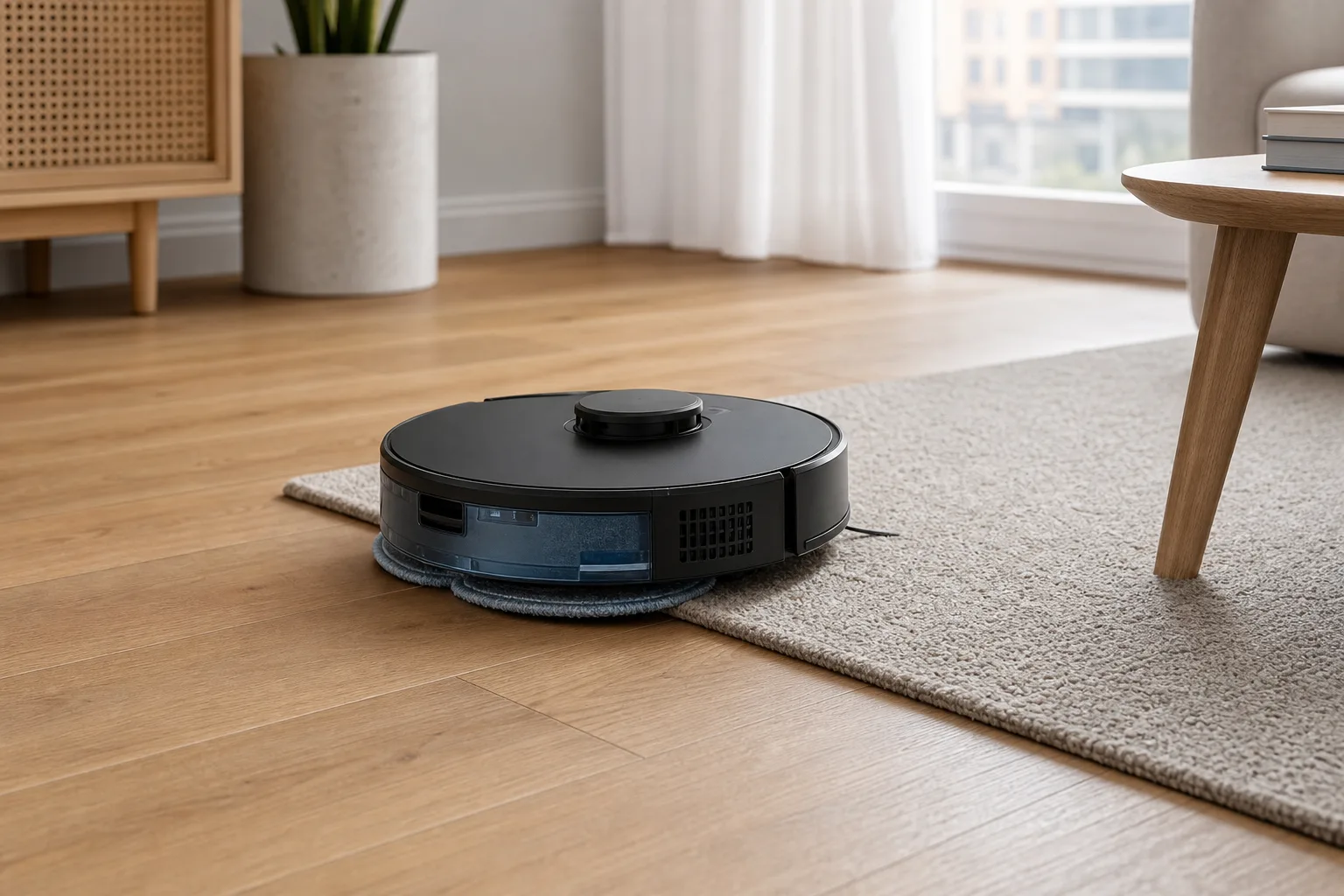
The useful change is not suction, it is fewer chores
Spec sheets are shouting about suction again. Some premium models now advertise five-digit pascal ratings, auto-washing docks, heated drying, edge brushes, obstacle cameras, and Matter support. Those numbers matter less than the dull question: will the robot run often enough to keep the floor acceptably clean without creating new jobs?
Independent testing from outlets such as Wirecutter, Vacuum Wars, Tom's Guide, and PCMag keeps circling back to the same pattern. The best robot mop-vacuum combos are very good at daily dust, pet hair, kitchen crumbs, and light paw prints. They are much less convincing against sticky spills, thick rugs, cords, Lego pieces, and the dried mystery spot under a dining chair. A real mop still wins there.
The dock is the real upgrade. If the machine empties itself but you still need to wash a dirty mop pad by hand after every run, the magic fades quickly. A good dock rinses pads, dries them, and keeps dirty water separate. That is why the price jump from a basic robot vacuum to a proper mop-vacuum system can be justified in busy homes. You are not buying a smarter disc. You are buying fewer small floor chores.
Who should buy one now
Buy one if you have mostly hard floors, pets, children, or a kitchen that seems to manufacture crumbs. It also makes sense if mobility, time, or plain dislike of cleaning means the choice is not robot versus perfect manual cleaning, but robot cleaning versus the floor being ignored until Saturday.
Apartment dwellers should be more selective. A large dock can be absurd in a small hallway, and some self-empty systems are loud enough to annoy neighbors if they run late. If you have mostly carpet, a classic robot vacuum or a cordless stick vacuum may be a better use of money. If your home is full of cables, toys, socks, chair legs, and low furniture, you will spend time robot-proofing before each run.
Matter support is nice, not decisive
Matter compatibility is starting to show up in higher-end models, and that is good for people who want one robot visible across Apple Home, Google Home, Alexa, or Home Assistant. But robot vacuums are still controlled best in their own apps because mapping, no-go zones, mop settings, and room-by-room cleaning are too detailed for a simple smart-home tile.
Treat Matter as a bonus. Do not pay a huge premium for it unless you already run a mixed smart-home setup and know exactly how you will use it. Cleaning performance, dock reliability, replacement part availability, and privacy controls matter more.
The hidden costs are bags, pads, filters, and patience
A robot mop-vacuum is not maintenance-free. You will replace dust bags, filters, side brushes, rollers, and mop pads. You will empty dirty water. You will clean hair from rollers. You will occasionally rescue the machine from a shoelace or a bathroom mat it misunderstood.
Privacy also deserves a glance. Models with cameras and room mapping can be useful, but they bring more data into the vendor's cloud. If that bothers you, look for clear local controls, map deletion options, and models that do not rely on a front camera for basic navigation.
Verdict
A good robot vacuum-mop combo is worth buying in 2026 if your home has hard floors and recurring light mess. It is not a replacement for deep cleaning, and it is not a great purchase for cluttered homes or carpet-heavy spaces. The sweet spot is a household that wants clean-enough floors most days and is willing to maintain the dock once or twice a week.
If that sounds like you, buy a model with a self-washing dock, strong obstacle avoidance, easy replacement parts, and reviews that test mopping rather than just quoting suction. If you only need help with dust, save the money and buy a simpler robot vacuum. The boring answer is the honest one: the mop is worth paying for only when it will actually run.
Related articles
Should you buy Microduck? The $399 robot duck is a project, not a pet
Microduck is cute, open and unusually affordable for robotics. That does not make it an impulse buy: preorder it only if you want a tiny lab.

Should you buy a robot vacuum with mopping and self-cleaning in 2026?
Robot vacuums have become smarter, but they are still not a magic replacement for cleaning. Here is who really benefits from an expensive self-cleaning model — and who should keep things simpler.
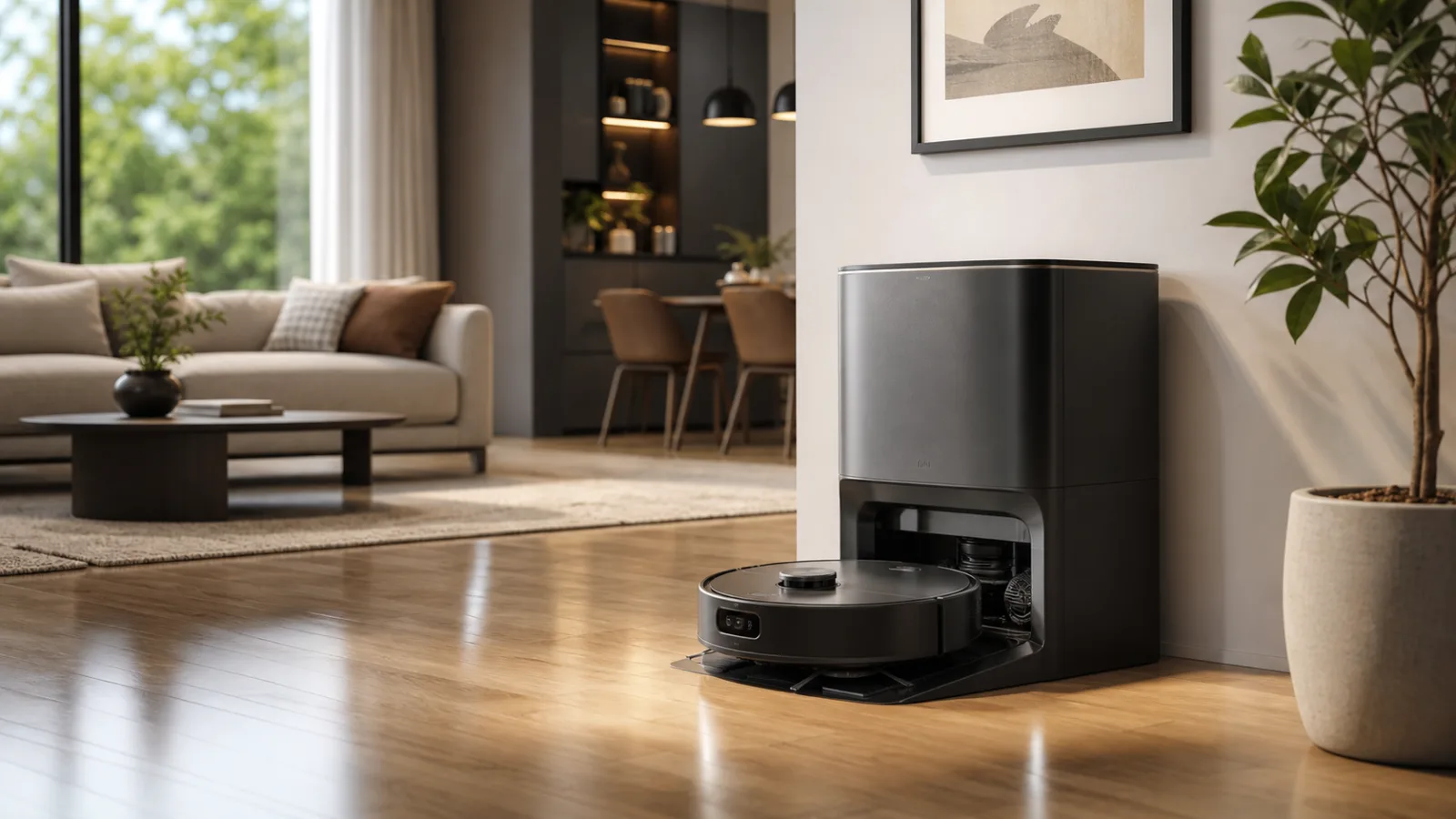

Your robot vacuum may be the most intimate smart camera at home
Modern robot vacuums map private rooms and may add cameras, microphones and cloud accounts. Before buying, choose the trust model, not only the suction power.
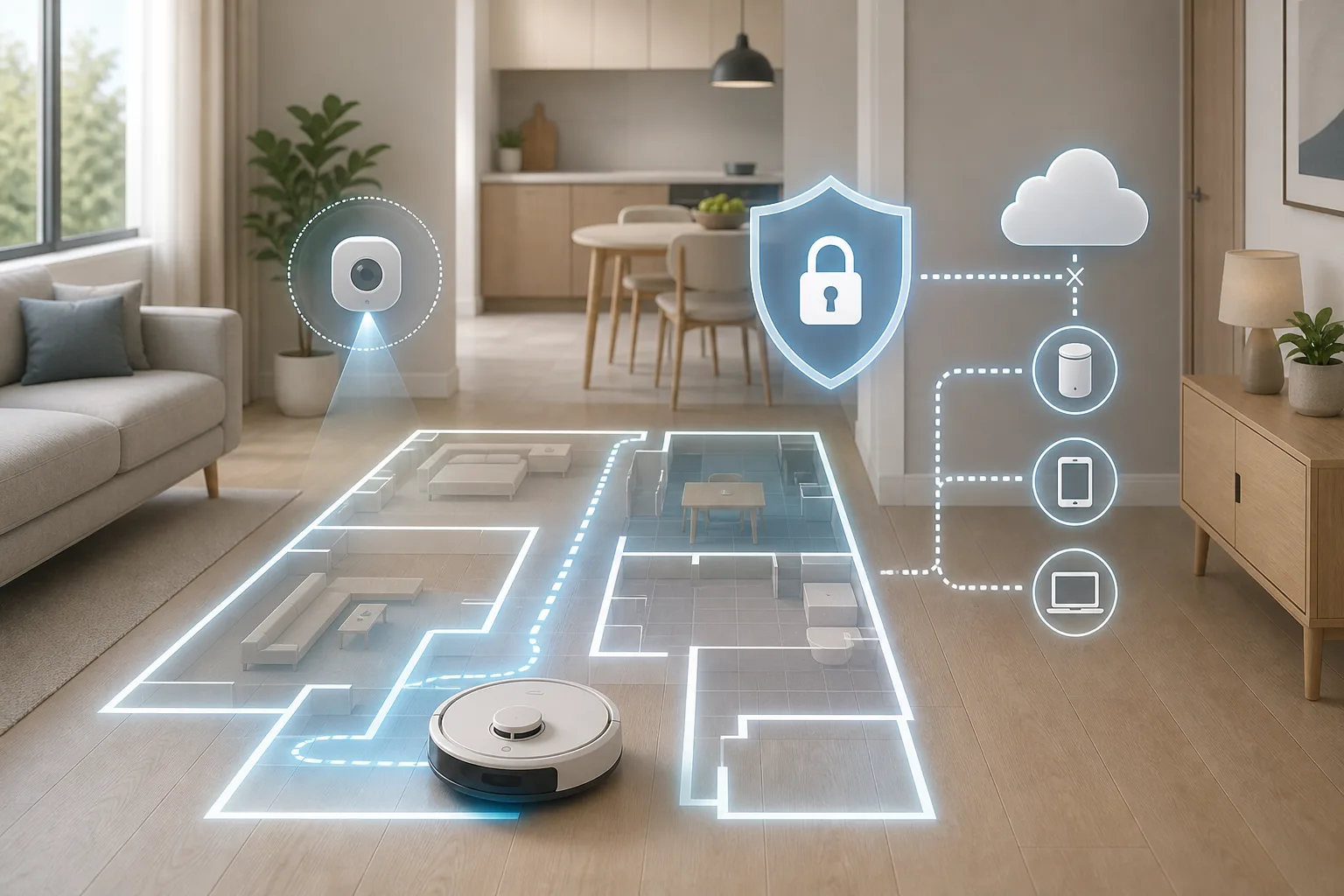
A smart feeder should not wait for the cloud
The Petlibro outage is a calm reminder to test local schedules, manual controls and backup bowls before a connected device becomes part of a critical home routine.
Comments
Sign in to comment.
No comments yet.